In today's world, we all know a little bit of science, even if we don't know we know! From the workings of the human body to the laws of physics, these questions will stretch your understanding. This isn't just textbook trivia – be prepared for brain-teasing concepts and surprising facts. Are you ready to see how much you TRULY know?
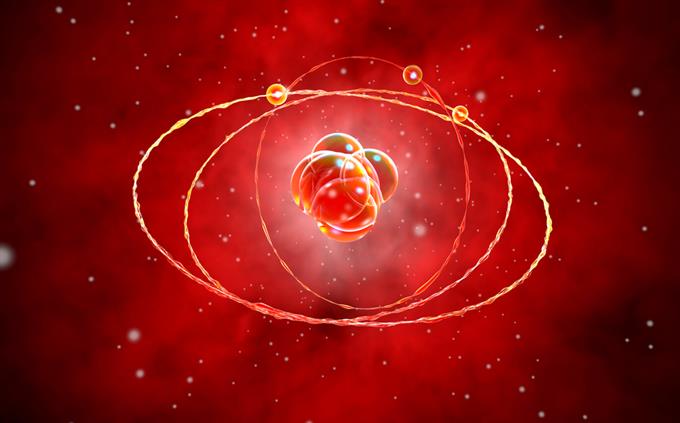
Which of these subatomic particles has a negative charge?
Electron
Proton
Neutron
Positron
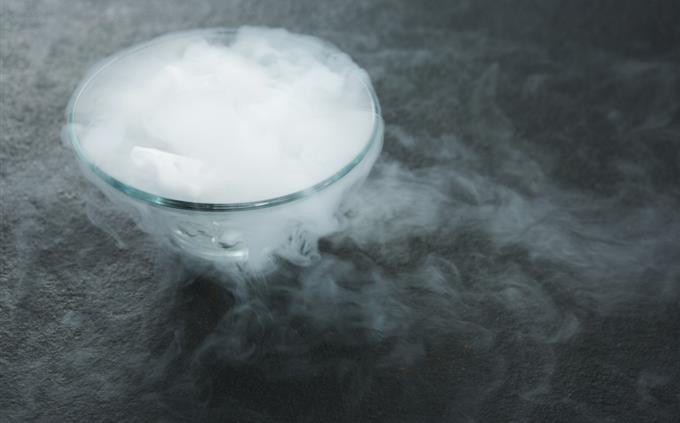
What is the process called when a liquid transitions into a gas?
Vaporization
Sublimation
Transpiration
Condensation
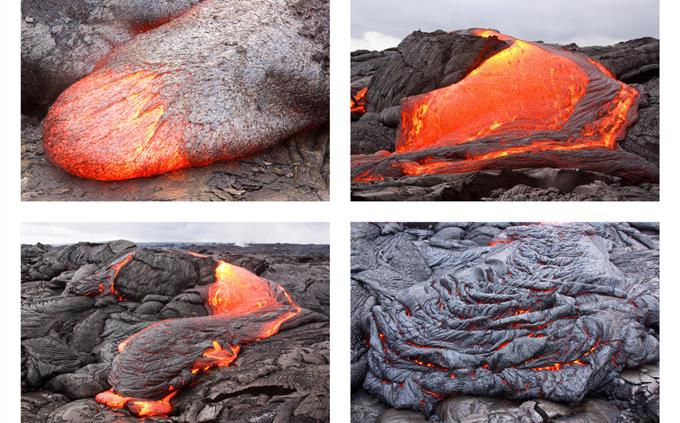
What type of rock is formed by the cooling and solidification of molten material?
Igneous
Fossil
Sedimentary
Metamorphic
The color of an object we see is determined by the wavelengths of light that are:
Reflected
Refracted
Absorbed
Emitted
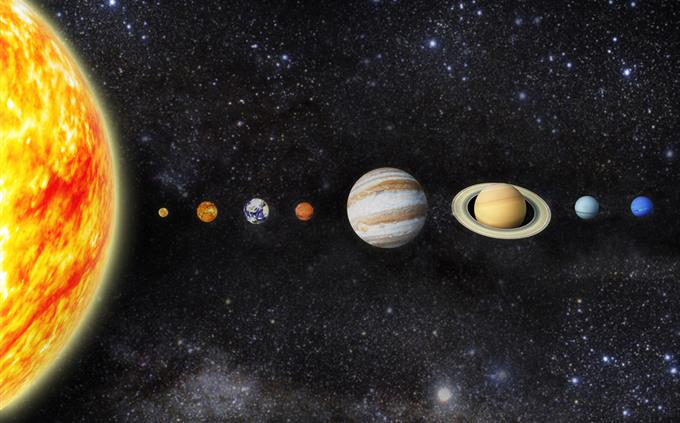
Which planet in our solar system has the strongest gravitational pull?
Jupiter has the largest mass of all the planets, even though it is a gas giant
Jupiter
Mars
Saturn
Uranus
What is the primary component of natural gas?
Methane
Butane
Propane
Hydrogen
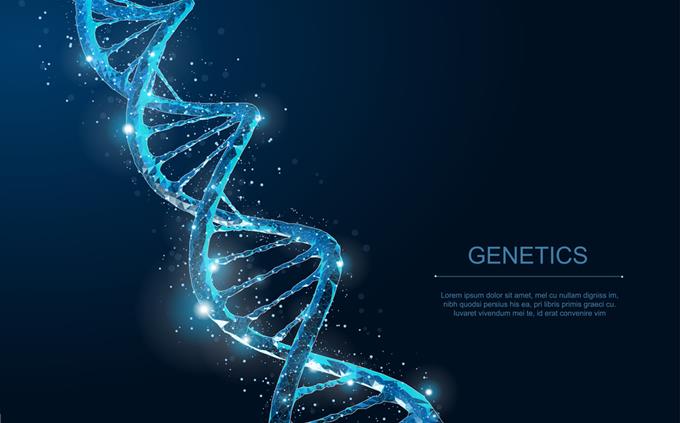
DNA is made up of repeating units called:
Nucleotides
Amino Acids
Lipids
Enzymes
What type of simple machine is a wedge?
An Inclined Plane
A lever
A wheel and Axle
A pulley
Which subatomic particle is responsible for the strong nuclear force, binding protons and neutrons together?
Gluon
Muon
Quark
Boson
What is the name of the phenomenon where two waves overlap and combine their amplitudes?
Interference
Polarization
Refraction
Dispersion
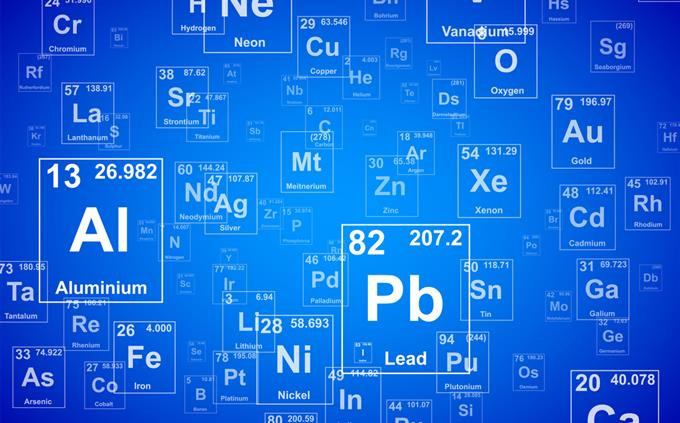
Elements from which group of the periodic table are highly reactive and readily form compounds with halogens?
Alkali metals
Transition metals
Noble gases
Alkaline earth metals
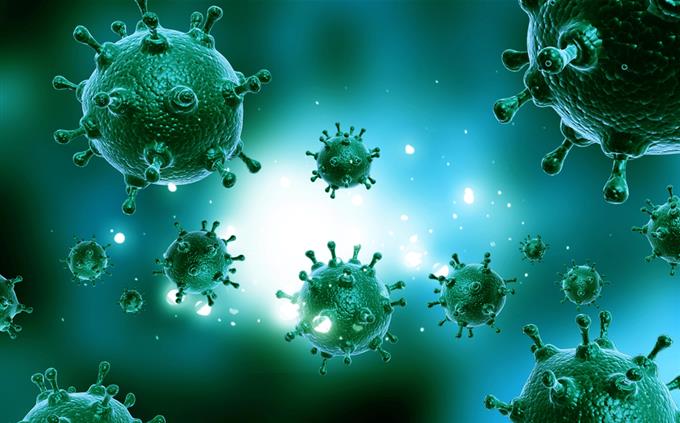
Which of these diseases is caused by a virus?
Polio
Malaria
Tetanus
Tuberculosis
What type of tissue primarily makes up the outer layer of the skin?
Epithelial tissue
Connective tissue
Muscle tissue
Nervous tissue
When a solution has a higher concentration of solutes than the inside of a cell, it is considered:
Hypotonic
Hypertonic
Isotonic
Osmotic
In chemistry, what term describes a positively charged ion?
Cation
Proton
Anion
Neutron
Try Again...
It seems like the world of science still holds some mysteries for you! Don't worry, a little brushing up on the basics and you'll be tackling those tougher questions in no time. Keep exploring and learning – that's what science is all about.
Not bad... not bad at all. You've shown a solid grasp of scientific concepts. Clearly, you're fascinated by how the world works. Why not explore some more specialized areas of science or dive deeper into topics that spark your curiosity? Try some of our other science and trivia quizzes!
Woah, you aced this quiz with flying colors! Your understanding of science is truly impressive. You have a bright future should you choose to pursue a path in science – the world needs minds like yours!
Subscribe and REMOVE ALL ADS
LOVE our articles but HATE our ads? For only $3.89 per month, enjoy a seamless, ad-free experience that lets you focus on what matters most — enjoying all of our content, uninterrupted. 🔒 100% Secure Payment 📅 Cancel Anytime, No Strings Attached Unlock a cleaner, faster browsing experience today and gain the freedom to navigate without visual clutter.
Ready for a Ad-Free experience? Upgrade now for just $3.89/month!
To enable your Ad-Free Subscription, please fill the fields below
Thank you for your subscription!
Your subscription was successful, now you can enjoy an ad-free experience!! Note: To make sure you get no ads, please make sure to log in to your account. If you are logged in already, then refresh the page. The subscription can be cancelled at any time.
This content is reserved for our members
Join Our Community for FREE and Enjoy:
Full and free access to ALL content.
The 'Daily Mail' service sends the highest quality and the most fascinating content directly to your inbox.
 Shai K.
2/19/2024
Shai K.
2/19/2024







 Go to BabaMail