Welcome to the General Science Master Quiz, where curiosity meets intellect. This 25-question challenge will test your grasp of the natural world — from the hidden workings of atoms to the vast mysteries of galaxies. You’ll travel through chemistry labs, peer into telescopes, and even ponder the nature of life itself. The questions are designed for thinkers who appreciate nuance and depth, not just quick recall. So grab a coffee, settle in, and see how your scientific savvy stacks up against the wonders of the universe. Ready to begin?
The ozone layer primarily absorbs which type of radiation?
Infrared
Visible light
Ultraviolet
Gamma rays
Who was the first scientist to use a telescope for astronomical observations?
Galileo Galilei
Johannes Kepler
Tycho Brahe
Isaac Newton
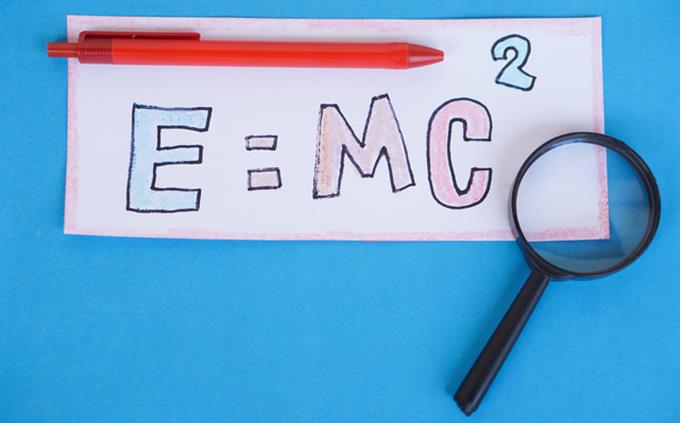
In Einstein’s famous equation 𝐸 = 𝑚 𝑐 2, what does the constant 𝑐 represent?
The curvature of space-time
The speed of light in a vacuum
The coefficient of mass-energy conversion
The charge of an electron
Which element has the highest electrical conductivity at room temperature?
Silver
Copper
Gold
Aluminum
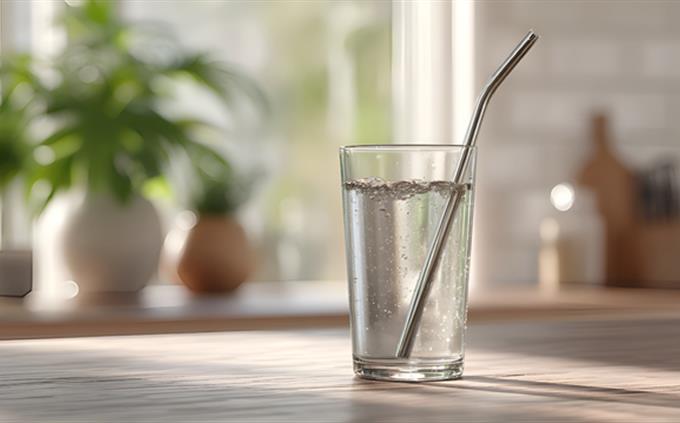
What phenomenon causes the apparent bending of a straw in a glass of water?
Reflection
Diffraction
Refraction
Dispersion
What is the heaviest naturally occurring element on Earth?
Uranium
Thorium
Plutonium
Lead
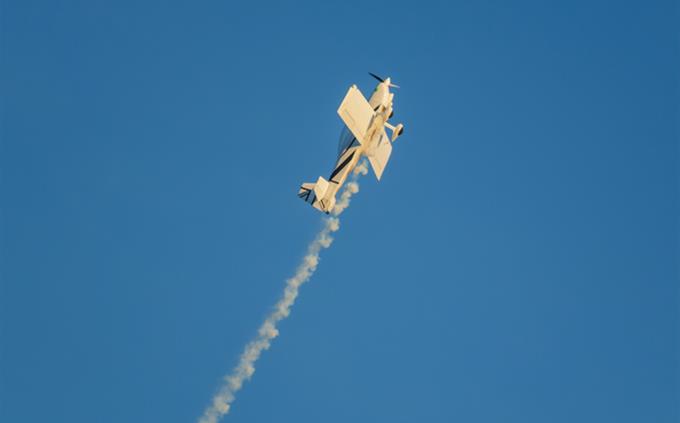
Which law explains why airplanes can lift off the ground?
Archimedes’ Principle
Bernoulli’s Principle
Pascal’s Law
Newton’s Third Law
What is the term for a reaction that releases heat?
Endothermic
Isothermal
Exothermic
Adiabatic
Which scientist discovered penicillin?
Louis Pasteur
Robert Koch
Alexander Fleming
Edward Jenner
What is the pH of pure water at 25°C?
10
5
7
2
How long before the sun becomes bloated enough to destroy the Earth and all life on it?
The sun will almost envelope the Earth, and then shrink and become a small white dwarf star
2.5-3 billion years
67-75 million years
500 million to 1 billion years
100 billion to 150 billion years
What is the common name for dihydrogen monoxide?
Methane
Hydrogen peroxide
Water
Ammonia
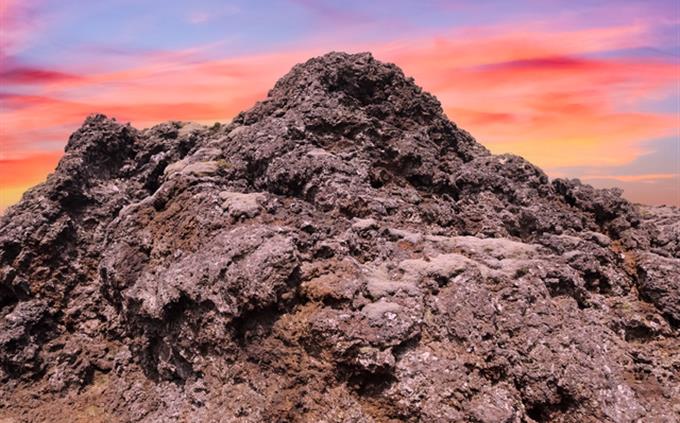
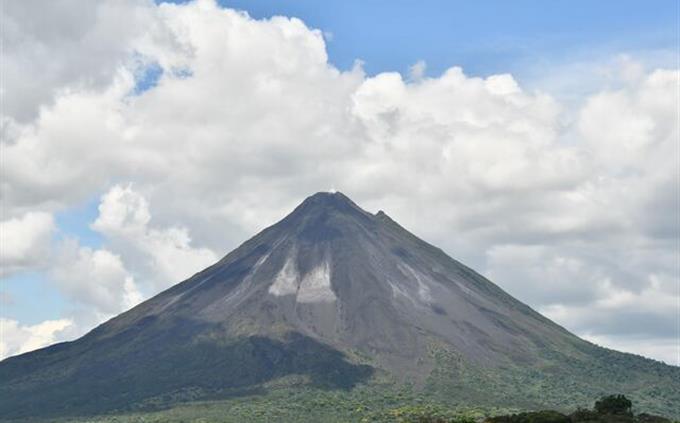
Which planet has the largest volcano in the solar system?
Olympus Mons is THREE TIMES the height of the Everest
Neptune
Jupiter
Venus
Mars
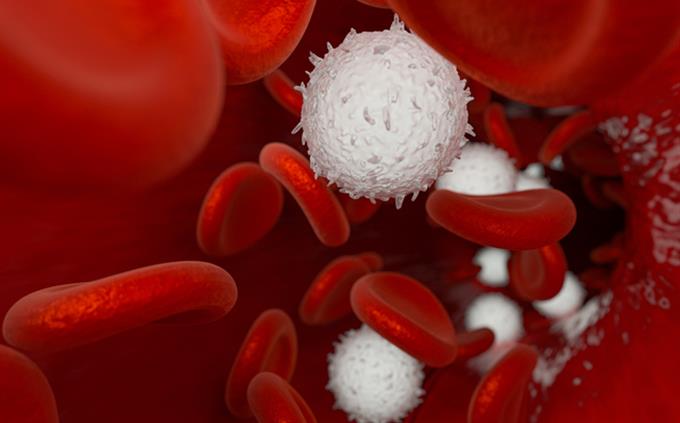
Which component of blood helps it to clot?
Platelets
Plasma
White blood cells
Glial cells
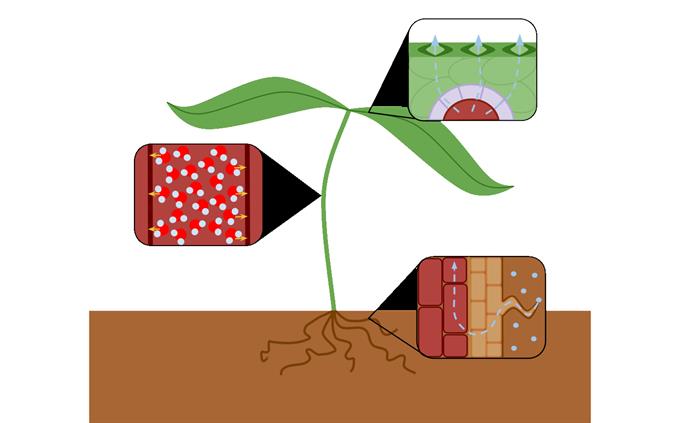
The process by which plants lose water vapor through small openings in their leaves is called:
Photosynthesis
Transpiration
Respiration
Condensation
Curious Reader
Nice effort! You clearly enjoy science, even if some of the details slipped through. Consider this a chance to revisit the wonders of chemistry, physics, and biology — you might rediscover just how fascinating it all is. Keep exploring; curiosity is the real spark of discovery.
Impressive work! You’ve got a strong foundation in general science and a genuine curiosity that shines through. You understand the key principles and have an intuitive sense of how the world works. A little more brushing up, and you’ll be orbiting the expert level soon.
Outstanding! Your knowledge radiates like a supernova of insight. You’ve mastered the building blocks of nature — from quantum particles to cosmic phenomena. You think like a scientist: analytical, curious, and never satisfied with simple answers. Keep questioning the universe — it clearly suits you.
Subscribe and REMOVE ALL ADS
LOVE our articles but HATE our ads? For only $3.89 per month, enjoy a seamless, ad-free experience that lets you focus on what matters most — enjoying all of our content, uninterrupted. 🔒 100% Secure Payment 📅 Cancel Anytime, No Strings Attached Unlock a cleaner, faster browsing experience today and gain the freedom to navigate without visual clutter.
Ready for a Ad-Free experience? Upgrade now for just $3.89/month!
To enable your Ad-Free Subscription, please fill the fields below
Thank you for your subscription!
Your subscription was successful, now you can enjoy an ad-free experience!! Note: To make sure you get no ads, please make sure to log in to your account. If you are logged in already, then refresh the page. The subscription can be cancelled at any time.
This content is reserved for our members
Join Our Community for FREE and Enjoy:
Full and free access to ALL content.
The 'Daily Mail' service sends the highest quality and the most fascinating content directly to your inbox.
 Shai K.
10/19/2025
Shai K.
10/19/2025




 Go to BabaMail