Ever looked at a smartphone, a microwave, or a simple zipper and wondered what’s actually happening behind the scenes? We are surrounded by incredible feats of engineering, physics, and biology every single day, yet we rarely stop to think about the mechanics keeping our modern world in motion. This 13-question trivia challenge is designed for curious minds who want to test their baseline knowledge of everyday science and technology. No advanced degrees required-just an appreciation for the hidden logic of the world around us. Let’s see how many everyday mysteries you can solve!
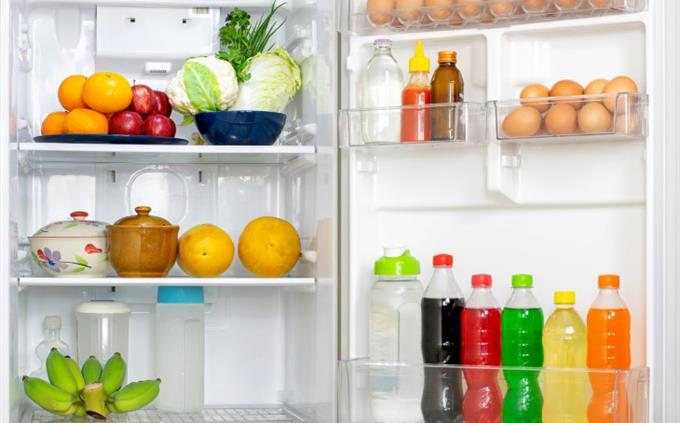
What keeps a refrigerator cold?
It continuously generates artificial ice inside the walls.
It blows outdoor air through a powerful water filtration system.
It absorbs coldness from the surrounding room and concentrates it.
A liquid refrigerant evaporates to absorb heat from inside, then releases that heat outside.
What is the main purpose of the "trap" (the U or bell-shaped bend) in the pipe under a sink?
To catch dropped jewelry before it flushes away completely.
To hold a small pool of water that blocks sewer gases from entering the home.
To slow down the water flow so the pipes don't burst from pressure.
To give food particles a place to settle and dissolve.
What allows a heavy airplane to stay up in the air?
The engines push down on the air beneath the plane like a helicopter.
The air is lighter at high altitudes, making the plane naturally buoyant.
The shape of the wings creates a difference in air pressure (lift) as the plane moves forward.
Magnets in the runway push the plane upward into the sky.
How does an MRI machine create images of the body?
X-rays
Ultrasound
Radio waves
Gamma rays
What mechanism does a pendulum clock use to keep time?
Quartz crystal
Electromagnet
Mechanical escapement
Atomic resonance
How does Bluetooth technology work?
It connects devices using short-range radio waves on a specific frequency.
It uses the same technology as a TV remote control (invisible light beams).
It requires a direct line of sight to bounce audio signals off the walls.
It uses the metal structure of a building as a giant antenna.
How does a wind turbine generate electricity?
Kinetic energy conversion
Chemical reaction
Thermal expansion
Nuclear fission
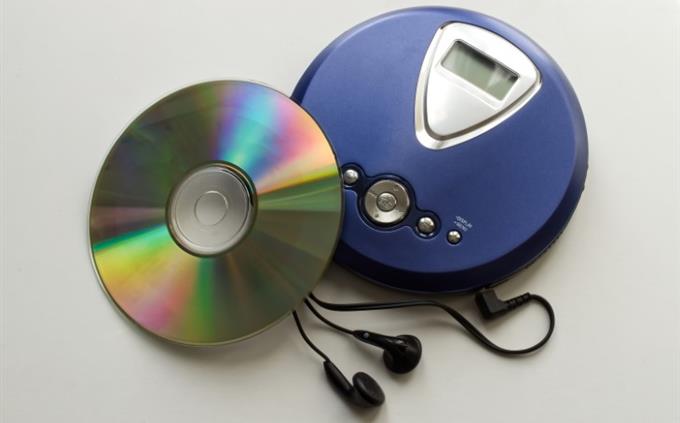
How does a CD player read discs?
Laser beam
Magnetic head
Sound wave
Thermal sensor
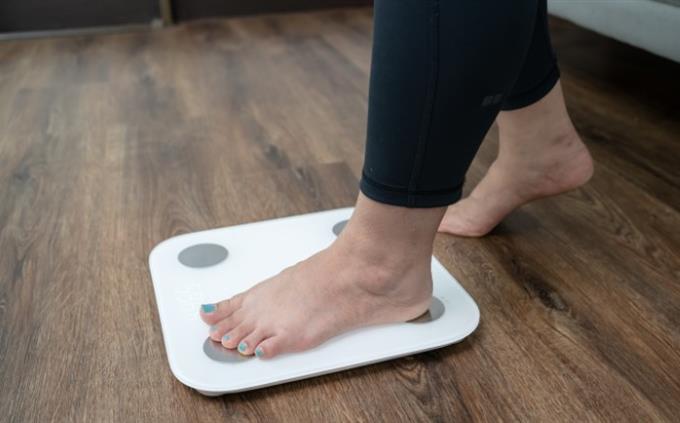
How does a smart scale measure body fat?
Electric Current
Magnetic fields
Sound waves
Light beams
How does a touch screen on a modern smartphone know where your finger is?
Your finger blocks a grid of tiny infrared light beams across the screen.
The pressure of your finger physically pushes two thin sheets of plastic together.
Your skin alters the electrical field of the screen at the point of contact.
A tiny camera beneath the glass tracks your fingerprint.
How do solar panels generate electricity?
They absorb the heat of the sun and convert it into steam power.
Sunlight knocks electrons free from silicon atoms, creating a flow of electricity.
They act like giant mirrors that reflect light into a central battery.
They catch the wind generated by solar heat waves.
How does a mirror reflect your image?
The glass is polished so smoothly that it turns into metal.
A thin layer of reflective metal behind a sheet of glass bounces the light back.
The glass absorbs light and projects a digital copy of whatever is in front of it.
Mirrors use a chemical reaction that mimics the colors of the room.
How do noise-canceling headphones block out background sound?
They plug your ears so tightly that no outside physical vibrations can enter.
They use a microphone to listen to ambient noise and create an "inverted" sound wave to cancel it out.
They emit a high-pitched whine that numbs your eardrums slightly.
They absorb sound waves and convert them into static heat inside the foam padding.
The Curious Observer
You have a wonderful sense of wonder about the world, even if the precise mechanics aren't your strong suit just yet! Missing a few questions simply means you're looking at everyday technology with fresh eyes rather than taking it for granted. Every time you heat up a meal, use a touch screen, or zip up a jacket, there is a fascinating hidden story waiting to be discovered. Keep staying curious and asking "why"-the world is full of amazing things to learn!
Great job! You have a solid, practical grasp of how the world operates. You clearly pay attention to your surroundings and understand the foundational science behind household gadgets and basic biology. You aren't easily fooled by tech jargon, and you know enough mechanics to navigate modern life with confidence. With just a little more digging into the finer technical details of waves, pressure, and chemistry, you’ll easily reach the level of a master innovator.
Phenomenal score! You are a true master innovator with an exceptional understanding of the world. From the microscopic transfer of oxygen in our lungs to the radio waves bouncing between cell towers, nothing gets past you. You don't just use modern technology; you truly understand the clever engineering and physics that make it possible. Keep feeding that brilliant analytical mind of yours-you look at the world around you and truly see exactly how it works!
Subscribe and REMOVE ALL ADS
LOVE our articles but HATE our ads? For only $3.89 per month, enjoy a seamless, ad-free experience that lets you focus on what matters most — enjoying all of our content, uninterrupted. 🔒 100% Secure Payment 📅 Cancel Anytime, No Strings Attached Unlock a cleaner, faster browsing experience today and gain the freedom to navigate without visual clutter.
Ready for a Ad-Free experience? Upgrade now for just $3.89/month!
To enable your Ad-Free Subscription, please fill the fields below
Thank you for your subscription!
Your subscription was successful, now you can enjoy an ad-free experience!! Note: To make sure you get no ads, please make sure to log in to your account. If you are logged in already, then refresh the page. The subscription can be cancelled at any time.
This content is reserved for our members
Join Our Community for FREE and Enjoy:
Full and free access to ALL content.
The 'Daily Mail' service sends the highest quality and the most fascinating content directly to your inbox.
 Shai K.
5/19/2026
Shai K.
5/19/2026













 Go to BabaMail