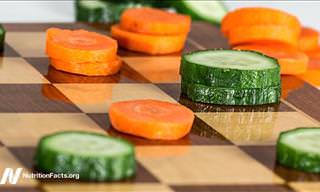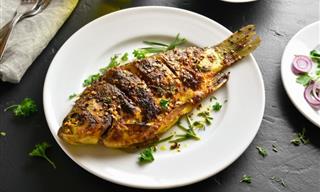

Anyone who has tried to lose weight knows the two schools of thought. One says it all comes down to numbers: eat fewer calories than you burn, and the pounds will come off. The other says it's what you eat that really counts, and that a plate full of vegetables, whole grains, and olive oil will do more for you than any calorie tracker.
A new two-year study put these two approaches head to head, and the results offer something for both camps. When it came to the number on the scale, both methods worked about equally well. But when researchers looked beyond weight, one approach pulled clearly ahead.
The study, carried out by researchers at the University of North Carolina and published in the medical journal JAMA Network Open, followed 360 adults from primary care clinics in North Carolina. All of them were living with obesity, their average age was 55, and most were managing more than one chronic condition, such as diabetes or high blood pressure. In other words, this was a group of people very much like many of us.
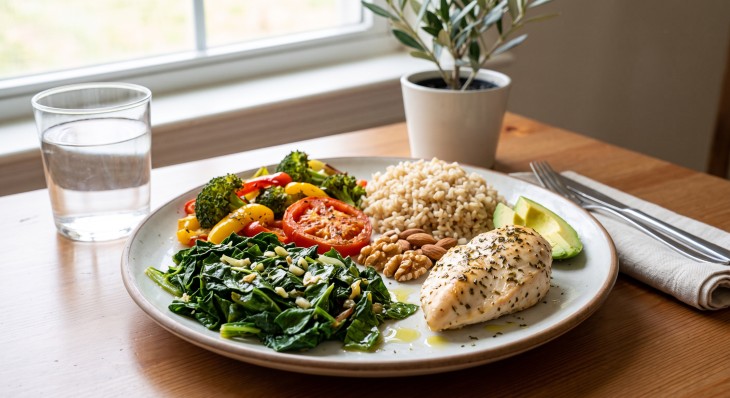
Participants were randomly split into two groups. The first group, 182 people, followed a program called Med-South: a Mediterranean-style eating plan adapted to the foods and tastes of the American South. The second group, 178 people, received access to the workshops and digital tools of the WeightWatchers program, which focuses mainly on cutting calories while encouraging more fruits and vegetables.
The Med-South program was led by registered dietitians and focused on healthy fats, nuts, whole grains, fruits, and vegetables, while cutting back on processed foods and refined carbohydrates such as white bread and sugary snacks. It unfolded in three stages:
Months 1 to 4: Improving the overall quality of the diet, before any focus on weight.
Months 5 to 12: Losing weight while sticking to the new way of eating.
Months 13 to 24: Keeping the weight off for the long haul.
Participants were checked at 4, 12, and 24 months to see how they were doing.
After two full years, both groups had lost almost exactly the same amount of weight: 3.4% of their body weight in the Mediterranean group and 3.5% in the calorie counting group. On average, that came to roughly 10 pounds (about 4.5 kilograms), which is no small thing when you consider that it was kept off for two years, something many diets fail to achieve. The researchers also found no meaningful differences between the groups in measures such as blood pressure.
So if weight loss is the only goal, this study suggests that both roads can lead to the same place.
The real difference showed up on the plate. People in the Med-South group made much bigger improvements in the overall quality of what they ate. They were eating more nuts, more vegetable oils, more whole grains, more fruit, and more non-starchy vegetables such as leafy greens, broccoli, peppers, and tomatoes. They were also getting more of their fat from healthy sources and eating fewer carbohydrates overall.
That matters, because this style of eating has long been linked with a lower risk of heart disease, stroke, type 2 diabetes, and dementia, four conditions that become more and more of a concern as we get older.
There was another striking result. At the end of the study, 95% of people in the Mediterranean group said they would recommend the program to others, compared with 68% of those in the calorie counting group. That's an important clue, because a diet only works if you can actually live with it. An eating plan that feels satisfying and enjoyable is far easier to stick with for months and years than one that feels like constant restriction.
The lead researcher, Dr. Thomas Keyserling, summed up the team's conclusion simply: building a healthy eating pattern into weight loss programs should be a priority.
Not everyone is ready to declare the Mediterranean diet the clear winner. Dr. Christopher Gardner, a nutrition researcher and professor of medicine at Stanford University who was not involved in the study, points out that diet quality was a secondary finding. The study was designed mainly to compare weight loss, not to test the effects of diet quality, so those results are interesting but not the final word.
Still, they fit with earlier research. A well-known Stanford study called DIETFITS found that the people who lost the most weight were those who both stuck closely to their diet and ate high-quality foods. Neither factor on its own was enough. In other words, consistency and quality work best as a team.
Kristin Kirkpatrick, a dietitian at the Cleveland Clinic, puts the emphasis on quality over quantity with her own patients. As she explains it, people can certainly lose weight on a low-calorie diet, but the results often don't last, and cutting calories without paying attention to nutrition can leave the body short on important vitamins and minerals over time. That, in turn, can affect the risk of chronic disease down the road.
Yes, they do. Losing weight still depends on eating fewer calories than your body uses over a long stretch of time. As Dr. Gardner notes, it's technically possible to eat nothing but junk food and still lose weight, as long as you eat little enough of it. But losing weight that way does your long-term health no favors.

The good news is that the two ideas aren't really in competition. Higher-quality foods tend to make calorie control easier, not harder. A bowl of lentil soup, a handful of almonds, or a plate of roasted vegetables drizzled with olive oil will keep you full far longer than the same number of calories from cookies or chips. Eating better also brings benefits that go well beyond the scale, including:
Steadier blood sugar. Whole grains, beans, and vegetables are digested more slowly, which helps avoid sharp spikes and crashes.
A healthier heart. Healthy fats from olive oil, nuts, and fish support better cholesterol levels and other markers of heart health.
Less inflammation. Diets rich in plant foods have been linked with lower levels of chronic inflammation in the body.
Fewer cravings. Fiber and protein keep you satisfied, making it easier to resist that afternoon snack.
Habits that last. A way of eating you actually enjoy is one you're far more likely to keep up for years.
You don't need a dietitian or a special program to start eating this way. A few small swaps can make a real difference:
Switch your cooking fat. Use olive oil or canola oil instead of butter or lard for most of your cooking.
Go for whole grains. Choose whole wheat bread, brown rice, oatmeal, or whole grain pasta over their white, refined versions.
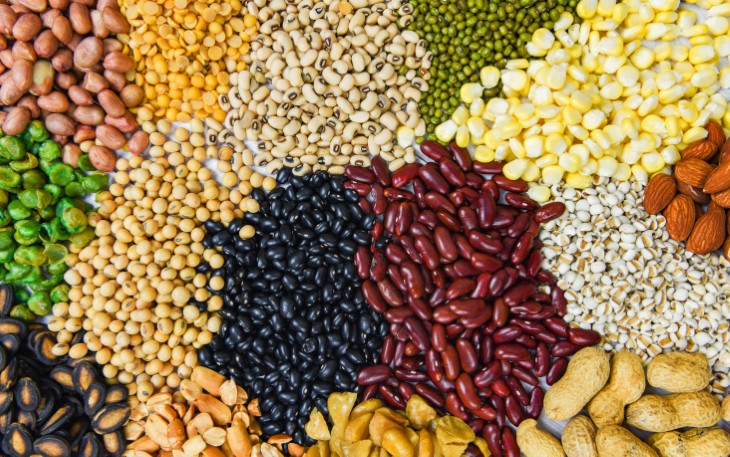
Fill half your plate with vegetables. Fresh, frozen, or canned without added salt all count.
Snack on nuts and fruit. A small handful of walnuts or almonds, or a piece of fruit, makes a better snack than chips or pastries.
Adapt your favorites. Just like the Med-South program did, you can keep the dishes you love and give them a healthier twist. Try beans and greens seasoned with olive oil and garlic instead of ham hock, or oven-roasted chicken instead of fried.
Keep an eye on portions. Even healthy foods add up, and nuts and oils in particular are rich in calories, so enjoy them in sensible amounts.
The takeaway from this study is refreshingly practical. The best diet for weight loss is the one you can stick with, and if that diet is also built on wholesome, satisfying foods, your heart, brain, and blood sugar will thank you for years to come. If you're living with a chronic condition such as diabetes or heart disease, it's a good idea to talk with your doctor or a registered dietitian before making major changes to how you eat.