
Have you ever stood in a crowd, surrounded by people you have never met, and felt a wave of emotion sweep through everyone at once? That feeling has a name, and understanding it can help you bring more warmth and connection into your everyday life.
There is a special kind of energy that appears when people come together. You may have felt it while singing along with a room full of strangers, while cheering at a ball game, or during a moving moment at a wedding or memorial service. In those moments, something shifts. You stop feeling like a single person and start feeling like part of something larger.
Sociologist Émile Durkheim gave this experience a name more than a century ago. He called it "collective effervescence," and he used it to describe the intense energy, unity, and emotional connection that people feel when they gather together. He first noticed it while studying religious ceremonies, observing how shared rituals strengthened social bonds, reinforced common values, and gave people a powerful sense of belonging.
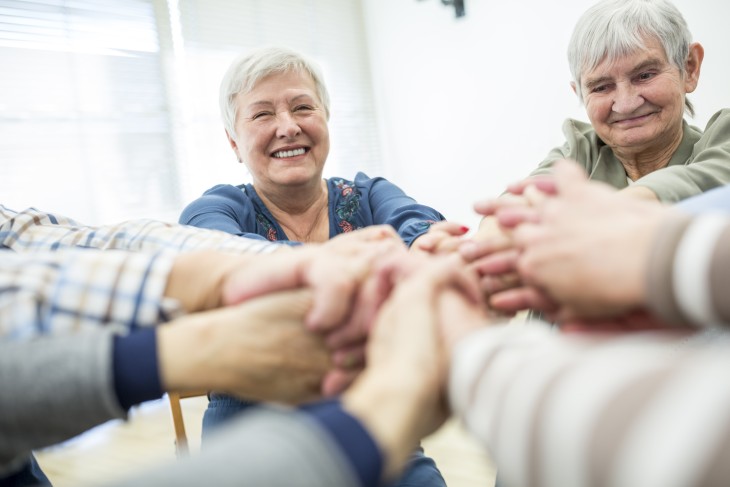
Today, we recognize this same feeling in many corners of modern life. It shows up at concerts and festivals, at sporting events and community projects, at national celebrations and quiet family gatherings. Let's take a closer look at what happens during these moments, why they feel so meaningful, and how you can invite more of them into your own life.
Collective effervescence helps explain why certain experiences stay with us long after they end. When we take part in a meaningful group activity, we often feel connected to something bigger than ourselves. That sense of connection is deeply nourishing.
Here is the wonderful part: you do not all need to be feeling the exact same emotion for the magic to happen. Simply feeling emotions together, in the same space and at the same time, can amplify and deepen them. This holds true even among people who have never met and may never see each other again.
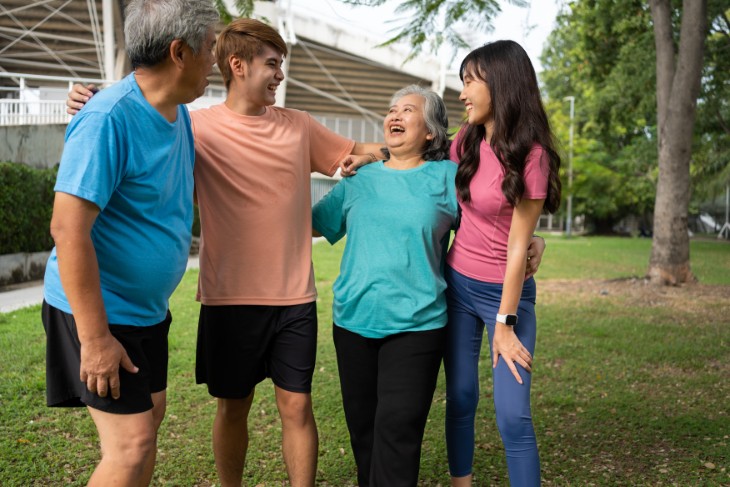
This shared emotional energy is thought to strengthen the ties between people, build trust, and lift our overall sense of well-being. A large review of studies on group gatherings found that experiences of collective effervescence are consistently linked to several positive outcomes, including:
More recent research looking specifically at live music events found that these gatherings create feelings of togetherness that increase happiness, add meaning to life, and strengthen social connection. Remarkably, the benefits did not vanish the moment the event ended. People who felt the strongest sense of unity during a concert reported greater well-being even a full week later. That suggests these shared emotional experiences can leave a lasting, uplifting mark on us.
So where do these lovely experiences tend to appear? The answer is almost anywhere people gather with a shared purpose. Some of the most common settings include:
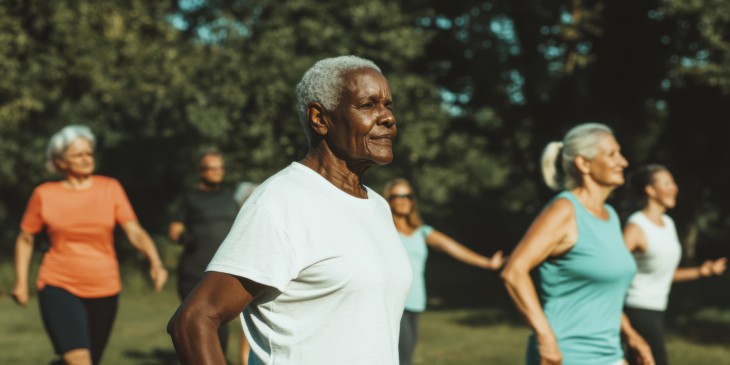
Importantly, the shared emotion does not always have to be joy. It can be any feeling held in common, including sadness. A funeral, a moment of national mourning, or a candlelight vigil can create just as strong a sense of unity as a joyful celebration. What matters is that people are sharing emotions, actions, and a common purpose, which strengthens their sense of belonging and deepens their bonds with one another.
"I go to dance classes regularly, and they capture this feeling for me on a smaller scale. There is something really lovely about everyone learning together, encouraging one another, and sharing a passion. I always leave feeling lighter and more connected than when I arrived."
Now that we have looked at the benefits, let's explore some simple, practical ways to bring more of this shared energy into your everyday life. There is no need to try everything at once. Just pick the idea that appeals to you most and give it a go. You can always try something different later.
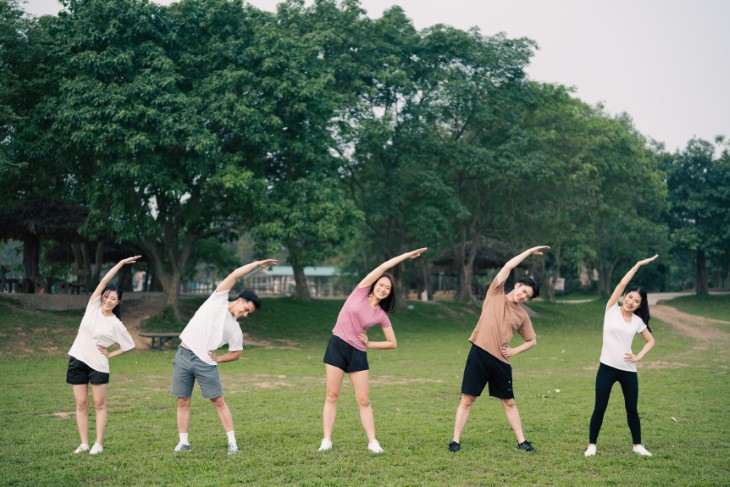
It may sound surprising, but activities that call for coordinated movement are especially good at creating feelings of unity. When our bodies move in sync with others, our sense of connection tends to grow. You might enjoy trying:
Each of these encourages people to act together, which helps build trust and a warm sense of togetherness.
Concerts, theater performances, festivals, sporting matches, and cultural celebrations all tend to produce powerful feelings of connection, because everyone in the room is experiencing emotions at the same moment.
Here is some good news: you can enjoy these benefits even if you attend on your own. Simply being surrounded by others in a shared setting can create meaningful moments of connection. And if large crowds feel overwhelming, a trip to the movie theater offers a gentler version of the same experience. Sitting in a darkened room, laughing or gasping along with everyone else, still brings that quiet thread of togetherness.
"During a live performance, I am always struck by a sense of awe and happiness that I am sharing the moment with so many other people. I think about how meaningful the music is to me, and how it might mean something entirely different to every other person in the room. It often surprises me how emotional that feeling can be."
Shared rituals and traditions help strengthen our sense of identity and create natural opportunities for connection. You might join in workplace celebrations, attend religious services, or take part in annual community events to feel more woven into the groups around you.
These traditions do not have to be grand. Even something as simple as gathering the family for a meal each evening creates a repeated, comforting experience that reinforces a sense of belonging and shared values. If you do not have a tradition like this, consider starting one. A weekly phone call with an old friend, a monthly coffee morning with neighbors, or a yearly get together with relatives can all become treasured rituals over time.
Working toward a meaningful goal alongside others can create a shared sense of purpose and joy, especially when you reach a milestone together. Organizing a charity event, joining a community project, raising funds for a good cause, or completing a group challenge all open the door to shared success and mutual support.
One gentle reminder: be sure to celebrate the small wins along the way, not just the big ones. Those little moments of shared pride add up.
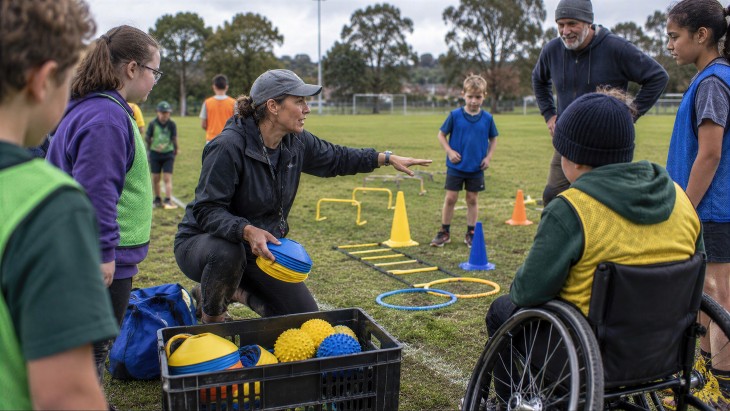
The more inclusive a group feels, the more people can share in its benefits. Make a point of welcoming newcomers, encouraging quieter voices to join in, and ensuring everyone feels respected. This strengthens the bonds within the group and helps prevent anyone from feeling left out.
And if you are the one joining a new group and feel a little shy, try gently turning your attention outward. Focus on what is happening around you and on the shared purpose that brought everyone together. This simple shift can ease those first-day nerves and help you settle in.
Although collective effervescence brings many wonderful benefits, it is worth remembering that the same powerful energy is not always positive. The very emotion that can build harmony and warmth can, in some cases, encourage conformity, exclusion, or conflict.
When strong shared emotions are directed toward harmful goals, crowds can sometimes slip into pressure to conform, hostility, or worse. In other words, the effect of collective effervescence depends a great deal on the values and behavior of the group involved.
The takeaway here is not to avoid these experiences, but to be thoughtful about the groups you join. Seek out communities that lift people up, and do your part to encourage kindness, respect, and positive energy within them.