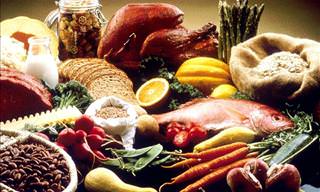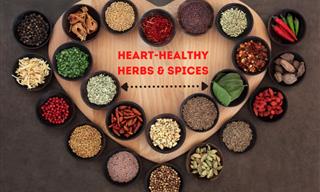

You've probably seen the word "superfood" splashed across packaging at the grocery store more times than you can count. But here's something worth knowing: nutritionally speaking, the term doesn't really exist. It was coined for marketing purposes, not by scientists. No single food holds the key to good health or disease prevention - that's just not how nutrition works.
That said, some foods genuinely are packed with an impressive array of nutrients, and regularly including them in a balanced diet can make a real difference for your health. So with that honest disclaimer out of the way, here are 15 foods that come pretty close to earning that superstar label.
1. Dark Leafy Greens
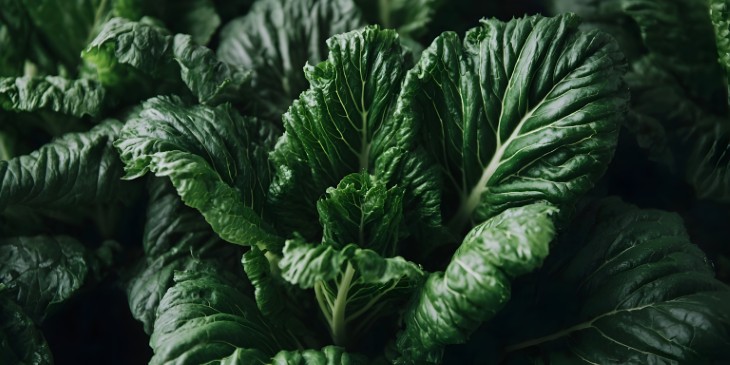
Kale, spinach, Swiss chard, and collard greens are nutritional powerhouses that deliver folate, zinc, calcium, iron, magnesium, vitamin C, and fiber in one fell swoop. What makes them particularly remarkable is how much nutrition they pack per calorie — very few foods offer such a dense return for such a modest caloric investment. They're also rich in carotenoids, anti-inflammatory compounds that may help protect against certain cancers and reduce the risk of heart disease and type 2 diabetes.
Spinach and kale in particular are excellent sources of vitamin K, which plays a crucial role in bone health and blood clotting, something that becomes increasingly important as we age. Dark leafy greens are also high in nitrates, compounds that the body converts into nitric oxide, which helps relax blood vessels and support healthy blood pressure. And for anyone concerned about eye health, lutein and zeaxanthin, two antioxidants found in abundance in greens like kale and spinach, are among the best dietary defenses against macular degeneration and cataracts. Not a fan of the bitter taste? Toss them into soups, smoothies, or stir-fries and you'll barely notice they're there.
2. Berries
Raspberries, blueberries, strawberries, and blackberries are among the most antioxidant-rich foods you can eat, packing enormous nutritional value into a small, sweet package. Their powerful antioxidant capacity is linked to a reduced risk of heart disease, cancer, and inflammatory conditions, and they're also beneficial for digestive and immune health. But perhaps their most exciting area of research involves the brain. Studies have found that regular berry consumption, blueberries in particular, is associated with slower cognitive decline and better memory in older adults, possibly due to their high levels of flavonoids, which improve blood flow to the brain.
Berries are also remarkably kind to your blood sugar: despite their sweetness, they have a low glycemic index, meaning they release sugar slowly into the bloodstream without causing sharp spikes. Their high fiber content plays a role in this too, while also feeding the beneficial bacteria in your gut. Frozen berries are just as nutritious as fresh ones, making them an affordable, year-round option. Eat them at breakfast, blend them into a smoothie, stir them into yogurt, or enjoy them as a guilt-free dessert. Few healthy foods are this easy to love.
3. Eggs
4. Green Tea
Originally from China, green tea has been used medicinally for centuries - and modern research backs up the tradition. It's loaded with polyphenols and a particularly potent antioxidant called EGCG, which appears to help protect against heart disease, diabetes, and certain cancers. The combination of catechins and caffeine may also support healthy weight management. It's a wonderfully gentle way to start the morning.
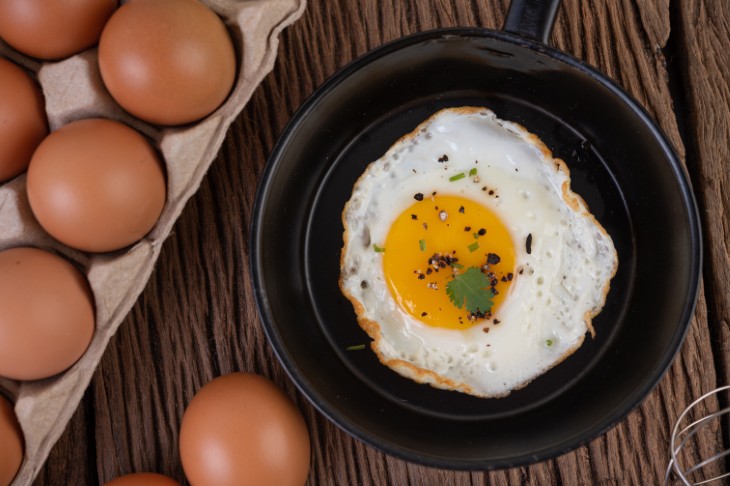
Eggs had a rough reputation for decades because of their cholesterol content, but science has largely rehabilitated them. Whole eggs are rich in B vitamins, choline, selenium, vitamins A and iron, and high-quality protein. They also contain two antioxidants - lutein and zeaxanthin - that are especially good for eye health. Research now shows that eating up to 6 to 12 eggs per week doesn't measurably increase the risk of heart disease, and may actually raise levels of "good" HDL cholesterol.
5. Legumes
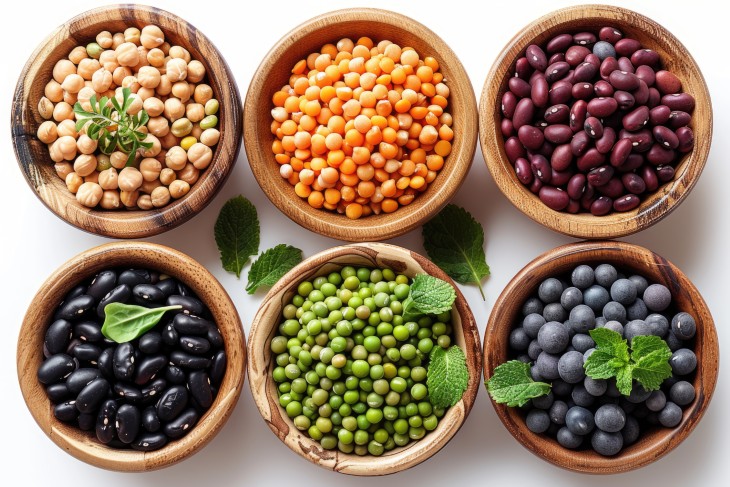
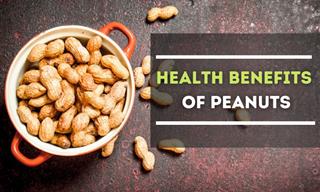
Beans, lentils, peas, peanuts - legumes are among the most nutrient-dense and affordable foods available. They're loaded with B vitamins, minerals, protein, and fiber, and research links regular consumption to better blood sugar control, lower blood pressure, and healthier cholesterol levels. Their high fiber content also helps you feel full longer, which makes them a great ally for weight management.
6. Nuts and Seeds
Almonds, walnuts, chia seeds, flaxseeds, and pumpkin seeds are just a few members of this remarkably diverse and nutritious food group. Rich in fiber, plant-based protein, and heart-healthy fats, nuts and seeds also carry a wide array of anti-inflammatory and antioxidant compounds that help protect against oxidative stress. Research consistently links their consumption to a lower risk of heart disease, and some varieties offer benefits that go well beyond general cardiovascular protection. Walnuts, for instance, are one of the best plant-based sources of omega-3 fatty acids, the same healthy fats celebrated in salmon, making them a particularly valuable addition to the diet for those who don't eat fish.
Flaxseeds and chia seeds are rich in lignans and alpha-linolenic acid, compounds associated with reduced inflammation and better hormonal balance. Pumpkin seeds are an excellent source of magnesium, a mineral that many adults are deficient in and that plays a key role in sleep, muscle function, and blood pressure regulation. Brazil nuts deserve a special mention too: just one or two a day provides a full daily dose of selenium, a powerful antioxidant mineral that supports thyroid health and immune function. Interestingly, despite being calorie-dense, certain nuts are actually associated with healthy weight maintenance, likely because their combination of protein, fiber, and fat is so satisfying. A small handful makes one of the most convenient and nourishing snacks imaginable, and sprinkling seeds over salads, oatmeal, or yogurt is one of the easiest nutritional upgrades you can make to any meal.
7. Kefir and Yogurt
Fermented dairy foods like kefir and yogurt are among the best dietary sources of probiotics - the beneficial bacteria that support gut health. Kefir, which has a thinner consistency than yogurt and typically contains more probiotic strains, is associated with reduced cholesterol, lower blood pressure, better digestion, and anti-inflammatory effects. Even people who are lactose intolerant often tolerate kefir well, since the fermentation process breaks down much of the lactose. Just watch out for added sugars in commercial versions.
8. Garlic
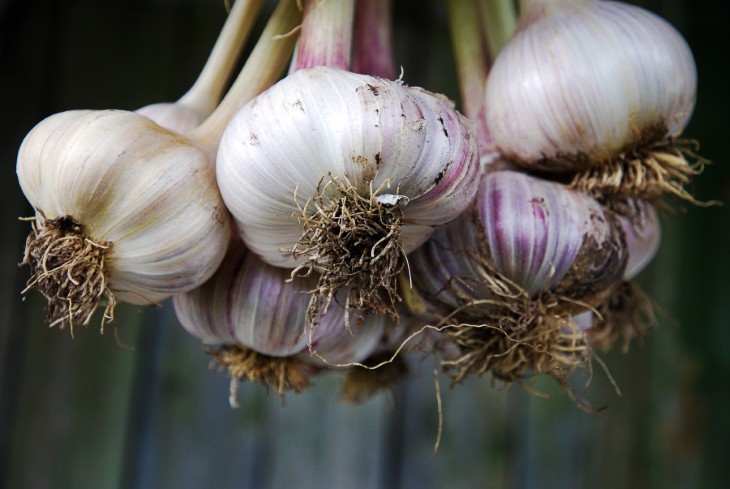
Garlic has been valued for its medicinal properties for thousands of years, and modern research confirms there's something to it. It's a good source of manganese, vitamin C, B6, selenium, and fiber, and studies show it can help lower cholesterol and blood pressure while supporting immune function. The sulfur compounds responsible for its pungent smell may also play a role in preventing certain types of cancer.
9. Olive Oil
A cornerstone of the famously heart-healthy Mediterranean diet, olive oil earns its superfood credentials through its high content of monounsaturated fats and polyphenols. Regular consumption is linked to reduced inflammation and a lower risk of heart disease and diabetes. It also contains vitamins E and K, which help protect cells against oxidative damage. One of its most celebrated compounds is oleocanthal, a natural anti-inflammatory that works in a way remarkably similar to ibuprofen — without the side effects. Research also suggests that regular olive oil consumption may support brain health and help protect against cognitive decline as we age. When shopping, look for extra virgin olive oil, which is the least processed form and retains the highest levels of beneficial compounds. Use it as your go-to cooking oil, drizzle it over salads and vegetables, or dip some good bread in it — the Mediterranean way.
10. Ginger
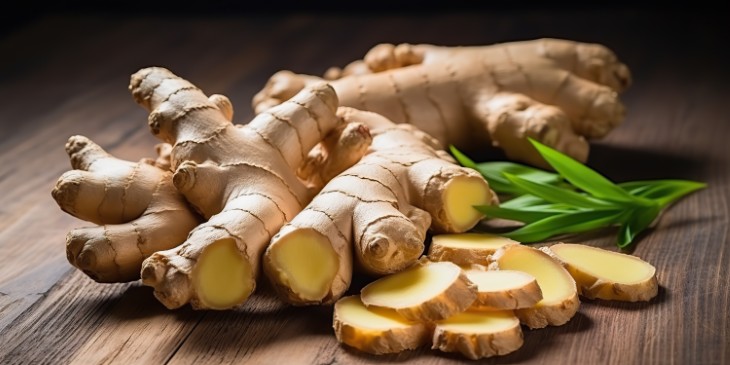
Fresh, powdered, or brewed into tea - ginger is a remarkably versatile root with a long history as both a culinary staple and a natural remedy. Its key antioxidant, gingerol, is thought to be responsible for much of its power. Ginger is particularly well known for easing nausea and reducing pain from inflammatory conditions, and it may also offer protection against heart disease, dementia, and certain cancers.
11. Turmeric
The bright yellow spice that gives curry its signature color has become one of the most studied foods in nutritional science — and the research is genuinely exciting. Its active compound, curcumin, has potent antioxidant and anti-inflammatory properties and has shown promise in preventing and treating heart disease, cancer, and diabetes. Some studies also suggest curcumin may support brain health by boosting levels of a growth hormone linked to improved brain function and a lower risk of Alzheimer's disease. It has long been used in traditional medicine for joint pain and arthritis, and modern research increasingly supports those uses as well. One practical tip: curcumin on its own is not easily absorbed by the body, but pairing turmeric with black pepper — which contains piperine — can boost absorption by as much as 2,000%. Adding a healthy fat like olive oil to the mix helps even further. Stir it into soups, golden milk, rice dishes, or roasted vegetables, and make black pepper a habit whenever you use it.
12. Sweet Potato
12. Avocado
Technically a fruit, avocado is one of the few plant foods that's rich in healthy monounsaturated fats - the same type found in olive oil. Its primary fat, oleic acid, is linked to reduced inflammation. Avocados are also a good source of fiber, vitamins, and minerals, and regular consumption is associated with a lower risk of heart disease, diabetes, and metabolic syndrome. Spread it on toast, slice it into salads, or enjoy it as guacamole - there's no wrong way.
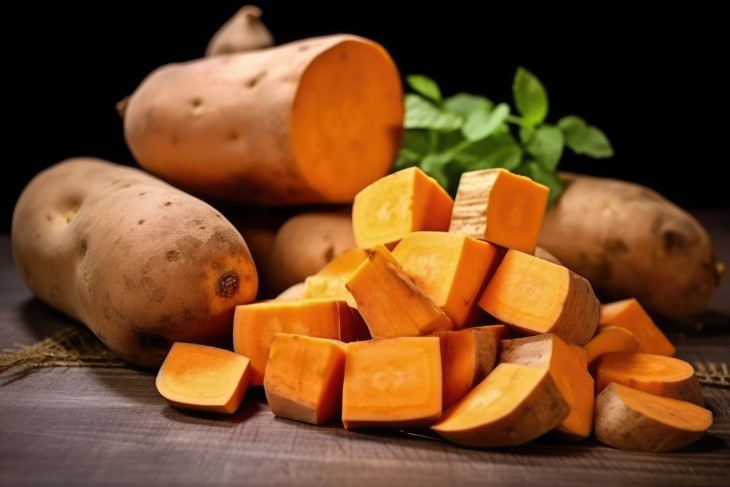
Sweet potatoes are a deeply nourishing root vegetable, loaded with potassium, fiber, and vitamins A and C. They're also an excellent source of carotenoids, antioxidants that may help reduce the risk of certain cancers. Their natural sweetness makes them one of the most enjoyable ways to eat healthfully, and they're wonderfully versatile - roasted, mashed, or baked whole.
14. Mushrooms
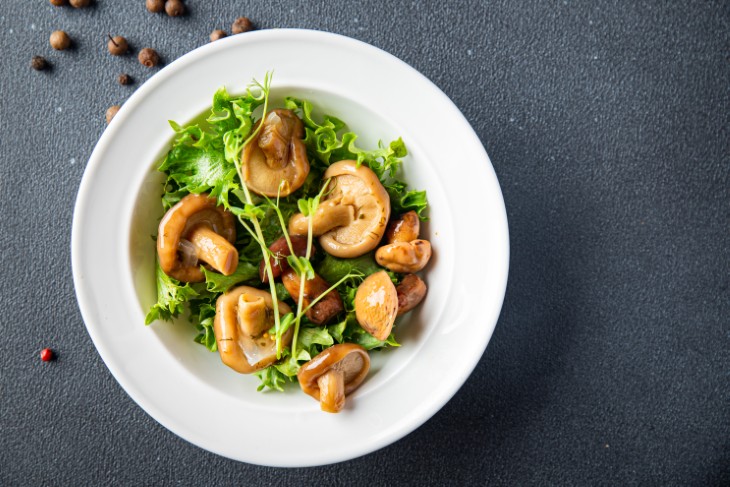
Button, portobello, shiitake, oyster — mushrooms are nutritional underdogs that don't get nearly enough credit. They contain vitamin A, potassium, fiber, B vitamins, and unique antioxidants not typically found in other foods. One of those antioxidants, ergothioneine, is drawing growing attention from researchers for its potential role in protecting cells from damage and even slowing cognitive decline. Mushrooms are also one of the very few non-animal food sources of vitamin D — especially when they've been exposed to sunlight or UV light during growing, which significantly boosts their vitamin D content. Their distinctive antioxidant profile is linked to reduced inflammation and possible cancer-fighting properties, and some varieties — particularly shiitake and oyster — have been studied for their immune-boosting effects. As a bonus, they're one of the most sustainable foods around, since many varieties are grown on agricultural waste products. Sauté them with garlic, toss them into pasta, or pile them onto a grain bowl — they add deep, savory flavor along with every bite of nutrition.
15. Seaweed
Seaweed has long been a staple of Asian cuisine — and for good reason. It's one of the most nutrient-dense foods on the planet, rich in vitamin K, folate, iodine, and fiber. Iodine alone makes seaweed worth paying attention to, since it's essential for healthy thyroid function — and many people don't get nearly enough of it from other dietary sources. Seaweed also contains unique bioactive compounds not found in land-grown vegetables, which appear to have powerful antioxidant effects and may help protect against cancer, heart disease, obesity, and diabetes. Different varieties offer slightly different benefits: nori (the thin sheets used in sushi rolls) is easy to find and enjoy as a crispy snack; wakame is a mild, silky variety that's delicious in soups and salads; and kelp is among the richest sources of iodine of all. If you've never tried seaweed before, nori snack sheets are a great, low-commitment place to start — light, crunchy, and surprisingly satisfying.
Now, no single food will transform your health on its own - but building a diet rich in a variety of these nutrient-dense options is one of the best things you can do for your body. The beauty of this list is how much variety it offers. Find the ones you love, experiment with the ones you haven't tried, and enjoy the journey toward eating well.