Welcome to a comprehensive journey through one of history’s most volatile and transformative eras. The 17th century was a bridge between the medieval and the modern, defined by the "General Crisis" in Europe and the majestic peak of Eastern empires. From the scientific breakthroughs of Newton and Galileo to the architectural splendor of the Taj Mahal, this was a time of radical shifts in thought and power. Across the Americas, Africa, and Asia, global trade routes expanded, forever linking distant cultures. Test your knowledge on the wars, inventions, and great thinkers that shaped our modern world. Check out our answers and explanations at the end to learn more!
Which 17th-century philosopher is famous for the statement "Cogito, ergo sum" (I think, therefore I am)?
René Descartes
Thomas Hobbes
Baruch Spinoza
John Locke
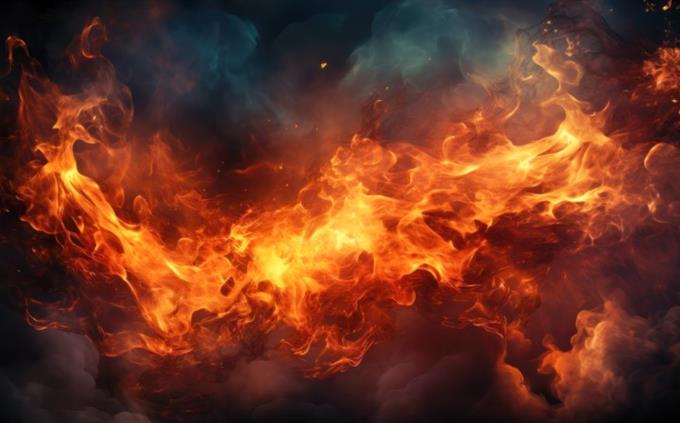
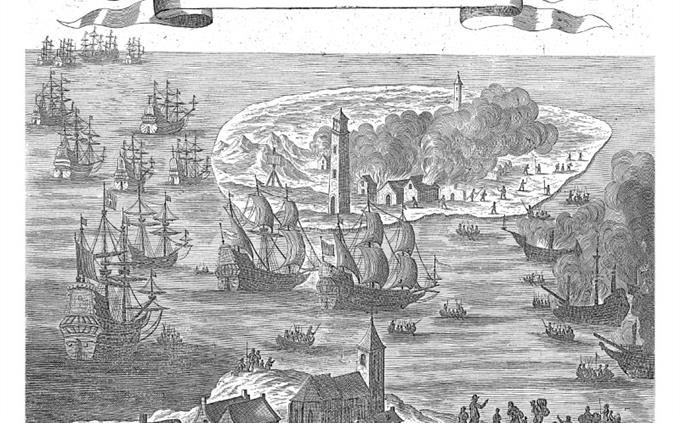
What was the "Great Fire" that destroyed much of a major European capital in 1666?
The Great Fire of London
The Great Fire of Paris
The Great Fire of Rome
The Great Fire of Amsterdam
The Thirty Years' War (1618–1648) began primarily as a conflict between which two groups?
Protestants and Catholics within the Holy Roman Empire
The Ottoman Empire and the Persian Empire
France and England over colonial territories
Spain and Portugal over trade routes
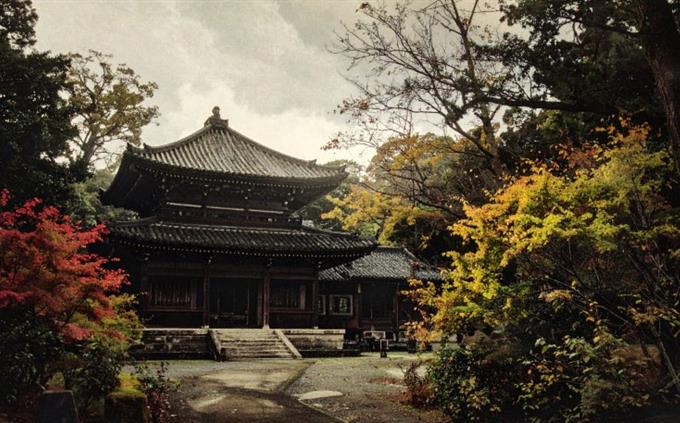
Which Japanese period, characterized by isolationism (Sakoku), began in the early 17th century?
It was the Tokugawa Shogunate, as seen beginning in the TV Mini-Series Shogun.
Meiji Era
Edo Period
Sengoku Period
Heian Period
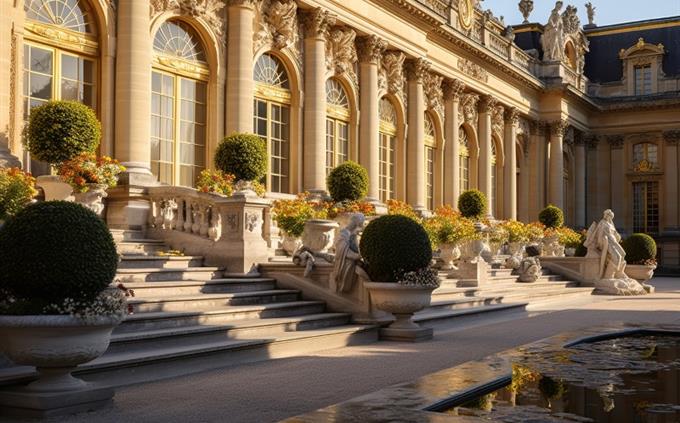
Who was the "Sun King" of France, who reigned for 72 years and built the Palace of Versailles?
Louis XVI
Louis XIV
Henry IV
Napoleon I
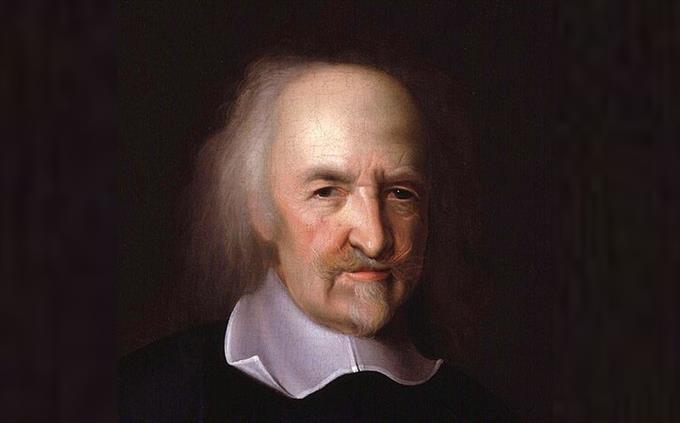
Thomas Hobbes, in his work 'Leviathan' (1651), argued for...
a strong, undivided government.
a Separation of church and state.
a disbandment of the nobility structure
capitulation to Spain.
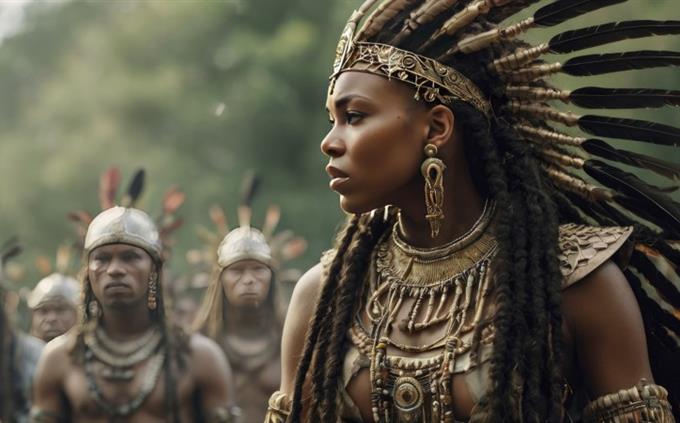
Which powerful West African empire reached its height in the 17th century under leaders like Osei Tutu, centered around the "Golden Stool"?
Founded in the late 17th century, the Ashanti Empire became a dominant military and economic power in modern-day Ghana.
Mali Empire
Songhai Empire
Ashanti (Asante) Empire
Kingdom of Kongo
In 1609, which explorer, working for the Dutch East India Company, sailed into New York Harbor?
Hudson was searching for a Northwest Passage; the Hudson River is named in his honor.
John Cabot
Henry Hudson
Samuel de Champlain
Vasco da Gama
Which artistic style, characterized by grandiosity, drama, and tension, dominated the 17th century?
Artists like Caravaggio and Bernini used the Baroque style to evoke strong emotion and awe.
Renaissance
Baroque
Rococo
Neoclassicism
The "Glorious Revolution" of 1688 took place in which country?
It involved the overthrow of King James II and the accession of William III and Mary II.
England
France
Prussia
Portugal
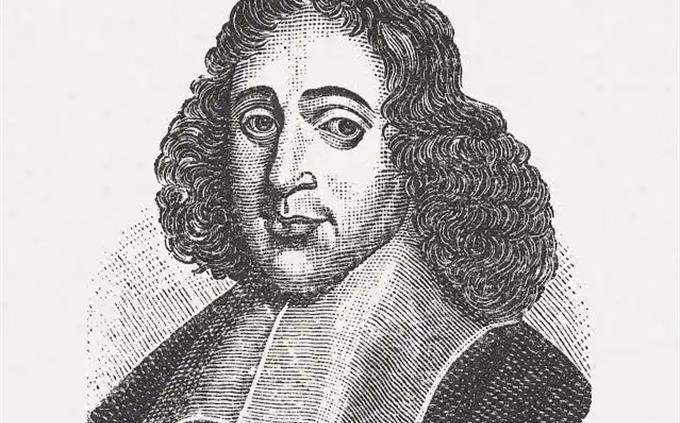
Which Dutch philosopher was excommunicated for his radical views on God and nature, published later in 'Ethics'?
Spinoza’s pantheism was considered heretical by his contemporary Jewish and Christian communities.
Baruch Spinoza
Erasmus
Kierkegaard
Nietzsche
Which inventor created the first functional steam engine (the "Miner's Friend") in 1698?
Savery's most significant invention was a steam-driven pump designed to address the issue of water flooding in mines, which he patented in 1698. Despite this innovation, the pump had limitations, such as insufficient lift capacity and operational inefficiencies, which hindered its widespread use in mining.
Thomas Savery
Thomas Edison
Alexander Graham Bell
George Stephenson
Which empire reached its greatest territorial extent in the 17th century?
Despite later stagnation, the Ottomans remained a massive threat to Europe, culminating in the Siege of Vienna in 1683.
The Ottoman Empire
The Roman Empire
The Mongol Empire
The British Empire
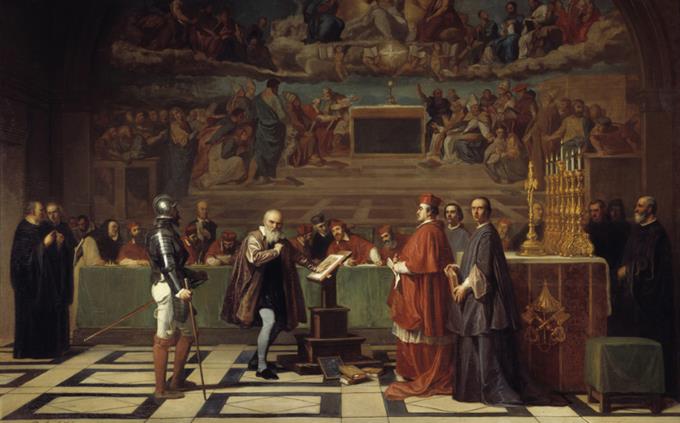
In 1633, who was tried by the Roman Inquisition for supporting the heliocentric theory?
Galileo was forced to recant his views and spent the rest of his life under house arrest.
Nicolaus Copernicus
Galileo Galilei
Giordano Bruno
Tycho Brahe
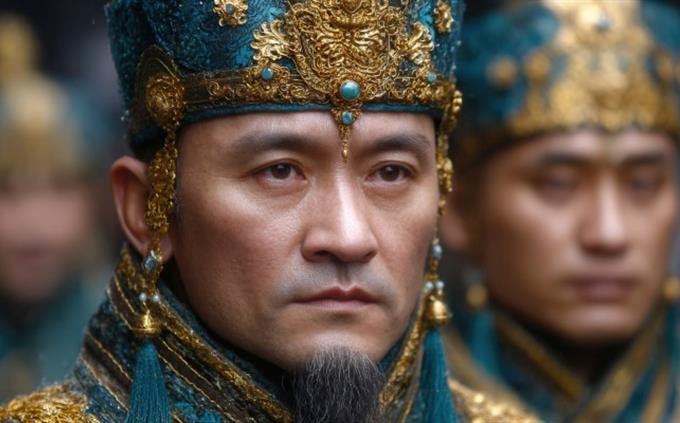
In 1644, which nomadic people from the north overthrew the Ming Dynasty to establish the Qing Dynasty?
This was a decades-long period of conflict between the Qing dynasty, established by the Manchu Aisin Gioro clan in Manchuria, and the Ming dynasty in China proper and later in South China. The Manchu won and started the Qing dynasty.
The Mongols
The Manchus
The Tibetans
The Jurchens
Humble Apprentice
It seems the 17th century is still a bit of a "terra incognita" for you. Don't be discouraged; this was an incredibly complex era filled with shifting borders and dense philosophical treaties. While you might know the famous names like the Sun King or Isaac Newton, the nuances of the Thirty Years' War or the Edo Period require a deeper dive. Treat this as your "Age of Discovery"—a perfect excuse to pick up a history book and explore the fascinating stories of global transformation.
You have a solid grasp of the "Century of Lights." You clearly understand the major milestones, from the Peace of Westphalia to the rise of the Qing Dynasty. You’ve navigated the treacherous waters of 17th-century politics and science with impressive skill. You likely recognized the impact of the Scientific Revolution and the global reach of maritime empires. To reach the next level, focus on the lesser-known conflicts in Sub-Saharan Africa or the specific legal shifts of the Glorious Revolution.
Impressive! You are truly a contemporary of Leibniz and Spinoza. Your deep knowledge extends far beyond basic facts, reaching into the specialized history of the Safavid Empire, the Ashanti Kingdom, and the intricacies of the Baroque era. You have demonstrated a rare ability to connect global events across continents, seeing the 17th century as the truly interconnected world it was. You’ve mastered the nuances of early modern history—you deserve a seat at the Palace of Versailles!
Subscribe and REMOVE ALL ADS
LOVE our articles but HATE our ads? For only $3.89 per month, enjoy a seamless, ad-free experience that lets you focus on what matters most — enjoying all of our content, uninterrupted. 🔒 100% Secure Payment 📅 Cancel Anytime, No Strings Attached Unlock a cleaner, faster browsing experience today and gain the freedom to navigate without visual clutter.
Ready for a Ad-Free experience? Upgrade now for just $3.89/month!
To enable your Ad-Free Subscription, please fill the fields below
Thank you for your subscription!
Your subscription was successful, now you can enjoy an ad-free experience!! Note: To make sure you get no ads, please make sure to log in to your account. If you are logged in already, then refresh the page. The subscription can be cancelled at any time.
This content is reserved for our members
Join Our Community for FREE and Enjoy:
Full and free access to ALL content.
The 'Daily Mail' service sends the highest quality and the most fascinating content directly to your inbox.
 Shai K.
4/15/2026
Shai K.
4/15/2026

 Go to BabaMail