
Long before bug spray came in a can, people turned to fragrant herbs and flowers to discourage unwanted insects. There is some science behind that tradition: certain plants contain compounds used in modern repellents and insecticides. But there is a difference between a concentrated plant extract and a flower growing beside your porch. A pleasant scent alone rarely provides dependable protection.
These seven plants can bring fragrance, color, and useful herbs to your outdoor space, and some have specific roles in managing pests. Here is what each one can realistically offer, along with practical advice for growing them.
1. Catnip
Catnip contains nepetalactone, the compound responsible for its famous effect on cats. This substance also has mosquito-repelling properties. You may have heard that catnip is “ten times more effective than DEET,” but that claim comes from particular laboratory tests of its extracted compounds. It does not mean that a pot of catnip protects you better than mosquito repellent.
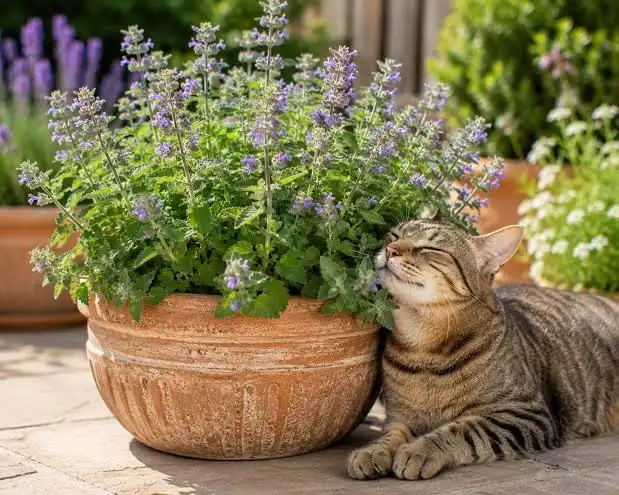
Catnip, or Nepeta cataria, is a hardy perennial commonly grown in USDA zones 3 through 8. It prefers well-drained soil and grows in full sun or partial shade. Garden centers also sell ornamental relatives called catmint, so check the botanical name if you want this particular plant.
Growing tip: Give catnip a container of its own if you want to manage its spread, and remove spent flowers before they set seed. Cats may roll on or flatten it, so protect young plants until they are established. Bruising the leaves releases fragrance, but should not be treated as reliable mosquito protection.
2. Lavender
Lavender earns its place in a garden through its fragrant flowers, attractive foliage, and appeal to pollinators. Its essential oil contains compounds, including linalool, that can affect insects. However, lavender growing beside a chair or window has not been shown to provide dependable protection against mosquitoes, fleas, moths, or spiders.

Winter hardiness varies considerably. English lavender is generally better suited to colder regions than French or Spanish lavender, so choose a variety appropriate for your area.
Growing tip: Give lavender plenty of sunshine and excellent drainage. Avoid keeping its roots constantly wet, particularly in heavy soil or containers without drainage holes. If growing it beside other herbs, choose companions with similar watering needs, such as rosemary.
Lavender can be toxic to dogs and cats if eaten. Keep it away from pets that chew plants, and keep concentrated essential oils out of their reach.
3. Chrysanthemums
Chrysanthemums have a genuine connection to insect control, but ordinary garden mums are often given more credit than they deserve. Commercial pyrethrum comes primarily from the flowers of the Dalmatian pyrethrum daisy, Tanacetum cinerariifolium, a plant historically classified as a chrysanthemum. Its active compounds, called pyrethrins, are used in insecticides.
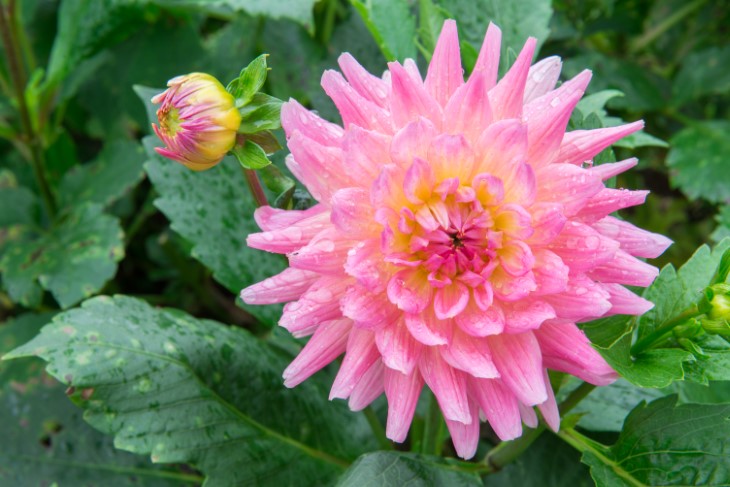
That does not mean the colorful mums sold each fall will protect a house from ants, cockroaches, ticks, fleas, or bedbugs. Planting them around the foundation is not an established treatment for those pests.
Garden mums are still an attractive choice for late-season color. Their ability to survive winter depends on the variety, climate, and how early they become established.
Growing tip: If you want mums to return the following year, look for hardy garden varieties and plant them in spring so they have time to develop roots before winter. Give them sun, good drainage, and consistent moisture without waterlogging.
Mums can be toxic to pets if eaten, and handling them may irritate sensitive skin. Wear gardening gloves if you are prone to plant-related rashes.
4. Marigolds
Marigolds have one of the more useful pest-management roles on this list, but the details matter. Certain varieties can suppress particular plant-parasitic nematodes, including some root-knot nematodes that damage vegetable roots. The effect depends on both the marigold variety and the nematode involved.
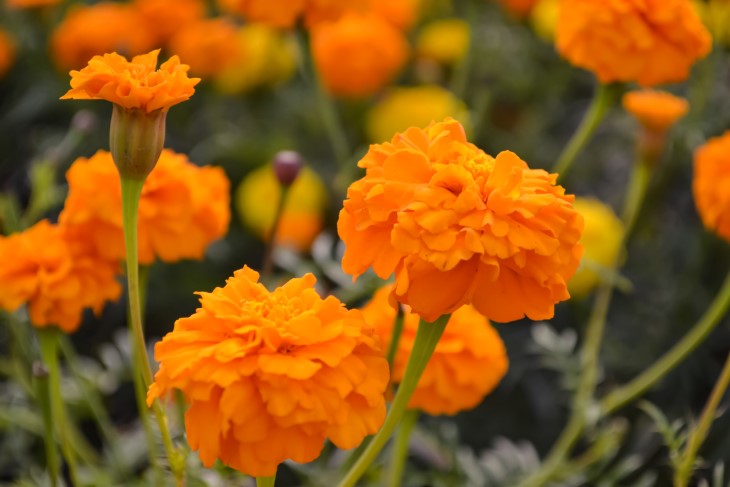
A few marigolds tucked between tomato plants will not necessarily achieve this. For nematode management, suitable marigolds are generally grown densely across the affected area as a cover crop before planting susceptible vegetables. They need time to work, often at least two months.
Claims that marigolds broadly repel aphids, squash bugs, and other above-ground pests are less dependable. Any benefits depend on the pest and growing conditions.
Growing tip: If nematodes are damaging your vegetables, have the problem identified before choosing a marigold variety. For ordinary ornamental planting, give marigolds full sun, water at soil level, and remove faded flowers to encourage continued blooming.
5. Peppermint and Spearmint
Mint oils have shown activity against certain insects under controlled conditions, but a mint plant beside a doorway is not a dependable barrier against ants. Claims that potted mint will keep spiders, mice, or rats away also go beyond what can reliably be expected.
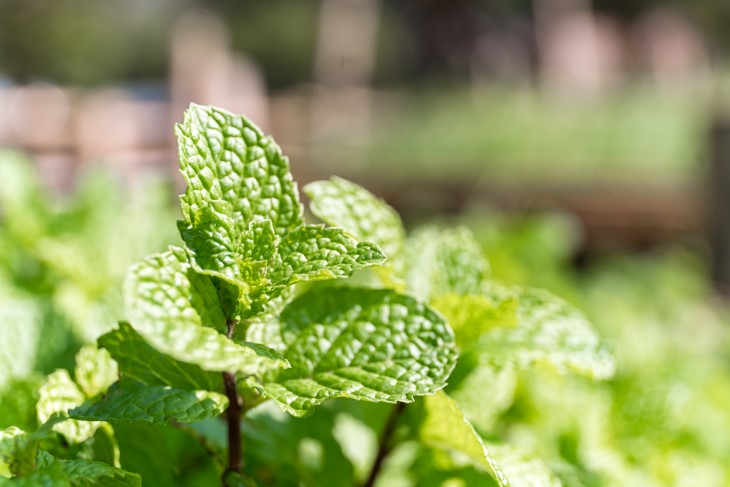
What mint does offer is vigorous growth, refreshing fragrance, and a ready supply of leaves for tea and cooking. Both peppermint and spearmint can spread aggressively through underground runners, making them poor neighbors in a small garden bed.
Growing tip: Plant mint in its own container rather than sharing a pot with slower-growing herbs. Keep an eye on stems that trail onto nearby soil, where they may take root, and check for roots escaping through drainage holes.
Mint generally prefers more consistent moisture than lavender or rosemary. Water when the surface begins to dry, while allowing excess water to drain freely.
6. Rosemary
Rosemary contains aromatic compounds that have been investigated for insect-repelling and insecticidal effects. Still, growing a rosemary bush near your patio is unlikely to provide meaningful mosquito protection. Claims that it reliably deters cabbage moths, carrot flies, or cockroaches should also be treated cautiously.
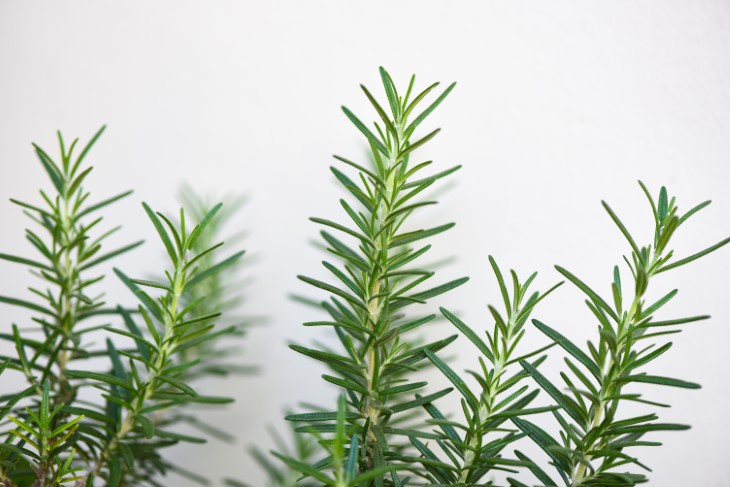
Its practical advantages are easier to count on: evergreen foliage in suitable climates, fragrant leaves for cooking, and good drought tolerance once established. Rosemary favors full sun and well-drained soil. Cold tolerance varies by variety, and harsh winters can kill it.
Growing tip: In colder regions, use a container you can move before freezing weather arrives. Indoors, choose your brightest suitable window or provide a grow light. Water less frequently during slower winter growth, but do not let the root ball dry out completely.
7. Citronella Grass
Several different plants are sold under names that suggest mosquito protection. True citronella grasses, Cymbopogon nardus and Cymbopogon winterianus, are sources of citronella oil. Culinary lemongrass, commonly Cymbopogon citratus, is a related but different plant. The scented geranium often labeled “mosquito plant” or “citronella plant” is different again.
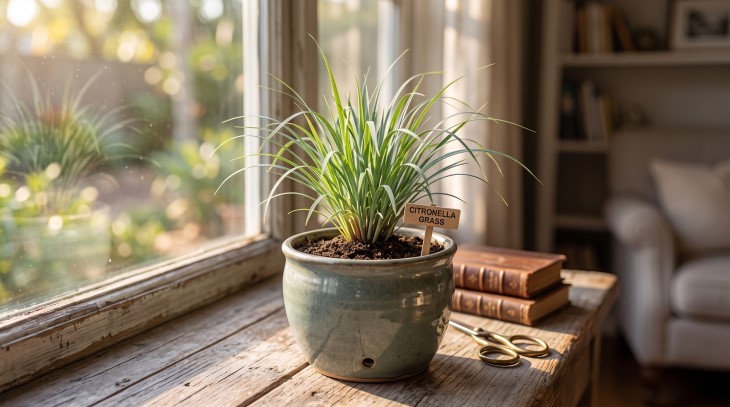
Citronella oil is used in some repellent products, but growing the grass nearby does not release enough oil to provide dependable protection. Crushing a few leaves does not turn it into a proven personal repellent either.
These tropical grasses need warmth and room to grow. In much of the United States, they are grown seasonally or kept in containers and moved indoors before cold weather.
Growing tip: Read the botanical label before buying, and check the plant’s mature size. A large container with drainage holes is more suitable than a small windowsill pot. Wear gloves when handling or cutting the grass, as the leaf edges can be sharp.
Do not rub crushed leaves or undiluted essential oils onto your skin. They can cause irritation, and homemade preparations offer uncertain protection.
Practical Tips for a Healthier Garden and Fewer Pests
Check what is underneath your pots
A carefully planted patio can still become a mosquito breeding site if water collects in saucers, buckets, or decorative containers. At least once a week, empty and scrub anything that holds standing water, including flowerpot saucers and birdbaths. Check after rain, too. Simply topping up old water does not remove mosquito eggs attached to the container.
Group plants by watering needs
A mixed herb planter may look appealing, but its plants need compatible conditions. Lavender and rosemary generally prefer soil that dries somewhat between waterings. Mint needs more consistent moisture, while large tropical grasses may need frequent watering during active growth. Separate pots make it easier to give each plant the care it needs.
Read the label before you buy
Check the botanical name, mature size, sunlight requirements, and cold tolerance. A plant described as a perennial may survive year after year in Florida but last only one growing season in Minnesota. Labels such as “mosquito plant” are marketing descriptions, not evidence of effective pest control.
Find out what is causing the damage
Chewed leaves, yellowing foliage, and stunted growth can have different causes, including pests, disease, and watering problems. Look closely at affected plants and the undersides of leaves before choosing a remedy. Your local cooperative extension office can help identify unfamiliar pests and suggest an appropriate response.
Keep up the simple household defenses
Repair window screens, close gaps around doors, store food securely, and keep trash containers covered. For ants, clean up crumbs and spills and identify where they are entering. These steps address the conditions that attract or admit pests and are more dependable than placing fragrant plants near an entryway.
Use a proven repellent when you need bite protection
If mosquitoes are biting while you garden or relax outdoors, use an EPA-registered insect repellent according to its label. Loose-fitting long sleeves and pants can also help. Choose your garden plants for their beauty, fragrance, culinary uses, and any specific pest-management benefits they can realistically provide.