
Walk down the supplement aisle and you will find an entire wall of promises. Bottles pledging sharper memory, stronger joints, better immunity, more energy, and a longer life. Many of us end up with a shelf of them at home, taken faithfully every morning, at a cost that quietly adds up to hundreds of dollars a year.
So which ones are genuinely doing something, and which are expensive urine? The honest answer is that a small number are genuinely valuable for people over 60, several are worth taking only if you actually need them, and a surprising number of the most heavily advertised have been tested properly and found to do very little. A few can even do harm. Here is a clear-eyed look at where the evidence stands.
Before any list, this idea does most of the work. Supplements are very good at correcting a shortage. They are not good at giving a well-nourished body an upgrade.
If you are genuinely low in a nutrient, topping it up can make a real difference to how you feel and function. If you are not low, taking more of it generally does nothing useful, because your body simply disposes of the excess or, with certain vitamins, stores it in ways you would rather it did not. This single distinction explains nearly every finding in the research: supplements shine in people with a deficiency and disappoint in people without one.
Which leads to the most useful question you can ask about any bottle: what shortage is this correcting, and do I actually have it?
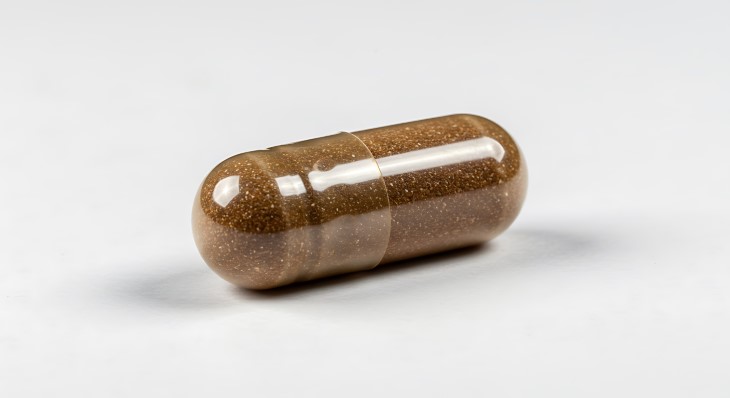
If there is one supplement with a strong case after 60, this is it, and the reason is biological rather than promotional. As we age, the stomach produces less of what is needed to pull B12 out of food, so you can eat a perfectly good diet and still fall short. Estimates vary, but a meaningful share of adults over 60 are deficient, and many more sit at borderline levels.
Your risk is higher if you take metformin for diabetes, take acid reflux medication such as a proton pump inhibitor, follow a vegetarian or vegan diet, or have a condition affecting absorption. That covers an awful lot of people.
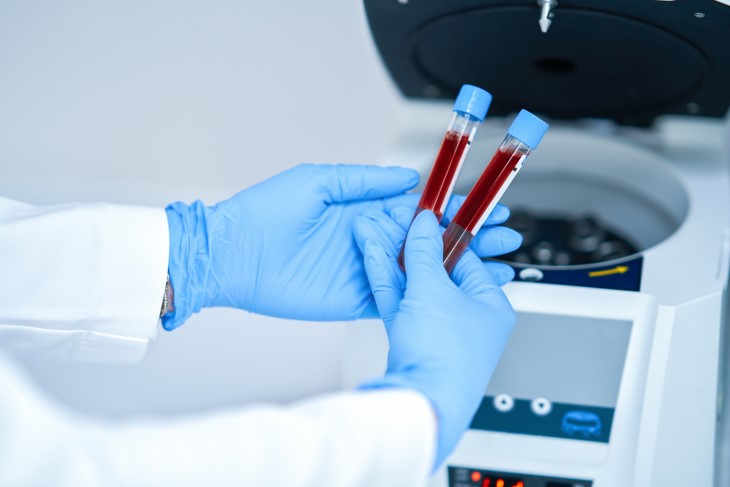
What makes B12 particularly worth knowing about is that a shortage looks uncannily like ordinary aging: fatigue, weakness, numbness or tingling in the hands and feet, unsteadiness, low mood, and memory trouble. People sometimes accept these as the years catching up when a simple blood test and an inexpensive tablet would help considerably. It is also reassuringly safe, with no established harm even at generous doses. Ask for the blood test rather than guessing.
Vitamin D is the most commonly recommended supplement for older adults, and it has a genuine basis. Skin makes less of it with age, many of us spend little time in the sun, and low levels are common, particularly in those who are housebound, live in northern climates, cover up outdoors, or have certain chronic conditions.
Here is where honesty is required, though, because vitamin D has been oversold. Large trials in generally healthy older adults who were not selected for deficiency have found that supplementation did not meaningfully reduce fractures. It is not the universal protective shield the marketing suggests.
The sensible position is this: if your level is low, correcting it is worthwhile and inexpensive. If it is normal and you get reasonable sun exposure, more is unlikely to help. Again, this is settled with a blood test rather than assumption, and your doctor can advise on the right dose.
This is the one that gets overlooked, and it may matter more than most of the vitamins on the shelf. Muscle loss is one of the central threats to independence as we age, and older adults frequently eat less protein than they need, often because appetite fades, cooking for one feels like a bother, or chewing has become harder.
Food remains the best source, with eggs, fish, dairy, beans, lentils, and poultry all doing the job well. But if you are struggling to eat enough, a protein supplement is a genuinely reasonable tool, and it works far better when paired with some form of strength activity. Muscle responds to the combination of protein and use, not to protein alone.
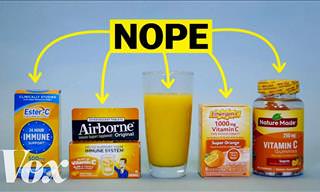
Now for the other side of the ledger. These are not fringe products, they are among the best-selling supplements on the shelf, and they have been properly tested.
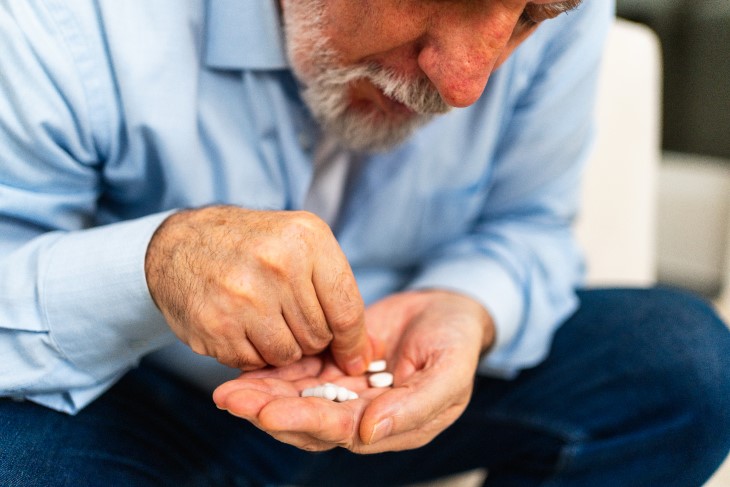
There is a widespread assumption that supplements, being natural and sold without prescription, cannot really hurt. That is not quite right, and it matters more after 60 because most of us are taking other medications.
It is worth saying plainly, because the supplement aisle can distract from it. Nothing in a bottle comes close to the fundamentals: eating a varied diet with enough protein and plenty of plants, keeping your muscles working through some form of strength activity, sleeping properly, staying connected to other people, and keeping up with your medical care.
Those are unglamorous and free, and they outperform anything you can buy. A supplement can usefully fill a specific gap. It cannot substitute for the foundations, and no amount of money spent on capsules will make up for their absence.
This article is general information and not a substitute for medical advice. Speak with your doctor or pharmacist before starting or stopping any supplement, particularly if you take prescription medication.