
Some of the simplest foods are the ones we quietly get wrong. Rice turns out gummy, boiled eggs come out grey and stubborn to peel, and the baked potato is crisp outside but oddly hard in the middle. The good news is that none of this is down to luck or a knack you were born without. Each of these three kitchen staples has a small handful of rules behind it, and once you know them, perfect results follow every single time. Here is exactly how to cook flawless rice, eggs, and baked potatoes, with no guesswork and no disappointment.
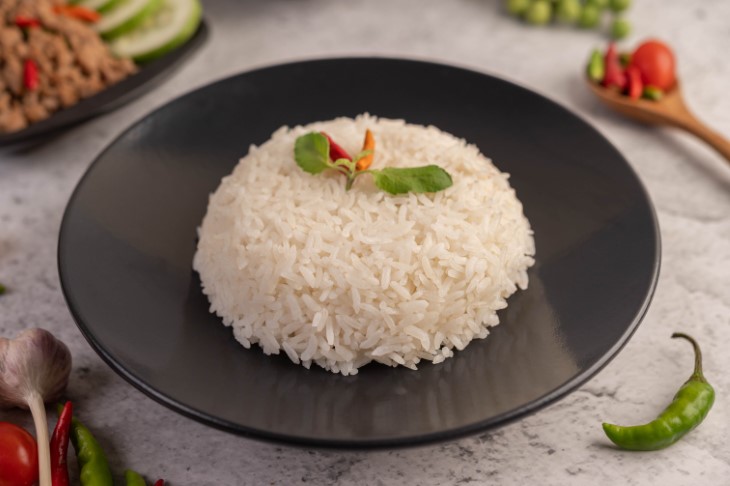
The reliable stovetop method: the right water ratio, no peeking, and a rest off the heat for separate, fluffy grains every time.
serves: 4
Rinse the rice: Put 1 cups long-grain white rice (such as basmati) in a sieve and rinse under cold water until the water runs mostly clear, about 30 seconds. This washes off surface starch so the grains stay separate rather than gluey.
Combine and boil: Add the rinsed rice to a saucepan with 1.5 cups water, 0.5 teaspoons salt, and 1 teaspoons butter or oil (optional). Give it one gentle stir, then bring to a boil over medium-high heat.
Cover and simmer: As soon as it boils, turn the heat to low, put the lid on, and simmer gently for 15 minutes. Do not lift the lid and do not stir, as both let steam escape and make the rice gummy.
Rest off the heat: Take the pan off the heat, keep the lid on, and let it sit undisturbed for 10 minutes. This is the secret step, letting the moisture settle evenly through the grains.
Fluff and serve: Take off the lid and fluff gently with a fork to separate the grains. Serve straight away.
Water ratio: this uses 1.5 cups water per cup of white rice. The key rules are no peeking and no stirring while it cooks, and always rest it off the heat before fluffing. For brown rice, use 2 cups water per cup of rice and simmer 40 to 45 minutes, then rest as above.
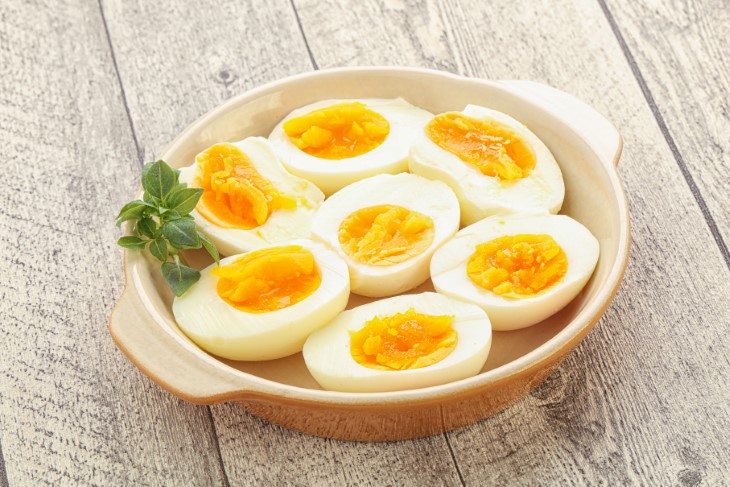
Lower cold eggs into already-boiling water, time it to the exact doneness you want, then shock in ice water for easy peeling.
Serves: 6
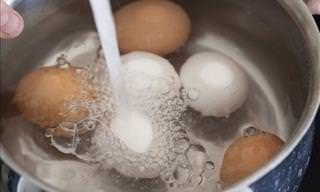
Boil the water: Fill a saucepan with enough 1 liters water, enough to cover by 1 inch to cover the eggs by an inch, and bring it to a rolling boil. Starting with boiling water (rather than cold) gives you consistent timing and easier peeling.
Lower the eggs in: Using a slotted spoon, gently lower 6 large eggs, cold from the fridge into the boiling water one at a time so they do not crack. Adjust the heat down slightly to keep a steady, gentle boil.
Set your timer: Start timing the moment the eggs are in. Use 10 minutes for a soft, jammy yolk, 10 minutes for classic hard-boiled with a creamy yolk, or 12 minutes for a firm hard-boiled yolk. This timer is set for 10 minutes; adjust to taste.
Prepare an ice bath: While the eggs cook, fill a bowl with 2 cups ice, for the ice bath and cold water.
Shock and cool: As soon as the timer goes, lift the eggs straight into the ice water. Leave them for at least 10 minutes. The cold shock stops the cooking and makes them far easier to peel.
Peel: Tap each egg gently all over, then peel under a little running water to help the shell slip off cleanly.
Timing chart (from the moment cold eggs hit boiling water): 6 min = runny yolk, 7 min = jammy, 8 min = soft-set, 10 min = creamy hard-boiled, 12 min = firm hard-boiled. Past 12 minutes the yolk can turn chalky with a greenish ring. Older eggs (a week or two old) peel more easily than very fresh ones. Cooked eggs keep in the fridge, in the shell, for up to a week.
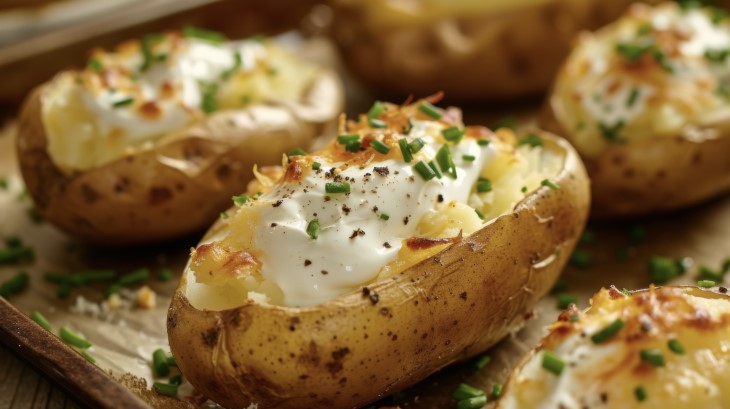
Crispy, salty skin and a light, fluffy inside. No foil, a hot oven, and one simple test to check it's done.
Serves: 4
Heat the oven: Heat the oven to 425°F (220°C) and position a rack in the middle. A hot oven is what gives you a crisp skin and fluffy center.
Scrub and dry: Scrub 4 russet (baking) potatoes, similar in size clean under running water and pat them thoroughly dry with a towel.
Prick all over: Poke each potato 8 to 12 times all over with a fork. This lets steam escape so the potato does not burst in the oven.
Oil and salt: Rub each potato all over with 1 tablespoons olive oil, then sprinkle with 1 teaspoons coarse salt. The oil and salt are what make the skin crisp and tasty. Do not wrap in foil, which just steams the skin soft.
Bake: Place the potatoes directly on the oven rack (with a tray on the shelf below to catch drips) and bake for 50 minutes, turning them once halfway through.
Test to see it's done: Slide a knife or skewer into the centre of the biggest potato. It should go in with almost no resistance. If it still feels firm, give it another 5 to 10 minutes.
Rest and open: Let the potatoes rest for a few minutes. Then cut a cross in the top, squeeze the ends gently to open it up, and fluff the inside with a fork before adding your toppings.
The foolproof test: a baked potato is truly done when its inside reaches about 205°F (96°C), which is where the flesh turns light and fluffy. If you have a food thermometer, use it. If not, the knife-slides-in-easily test does the same job. Choose russet (baking) potatoes for the fluffiest result, and pick ones of similar size so they finish together. Skip the foil for crisp skin.