Here is a question worth asking as the temperatures climb: could the summer heat be quietly weakening the very medicines you rely on? The answer, unfortunately, is yes. Heat can cause many medications to break down and lose their strength, sometimes in a matter of hours, and in certain cases it can even make them unsafe. Since a weakened medicine may not do its job when you need it most, knowing how to store your medications through the warm months is genuinely important. Here is what happens, which medicines are most at risk, and how to keep yours safe and effective.
How Heat Harms Your Medicine
Most everyday medications, the over-the-counter pills, capsules, and powders in your cabinet, are designed to be kept at room temperature. For most drugs, that means somewhere between 59 and 86 degrees Fahrenheit (15 to 30 degrees Celsius). When a medicine gets much hotter than that, the heat can begin to alter its chemistry and break down the active ingredients, so that a full dose no longer does what it should.
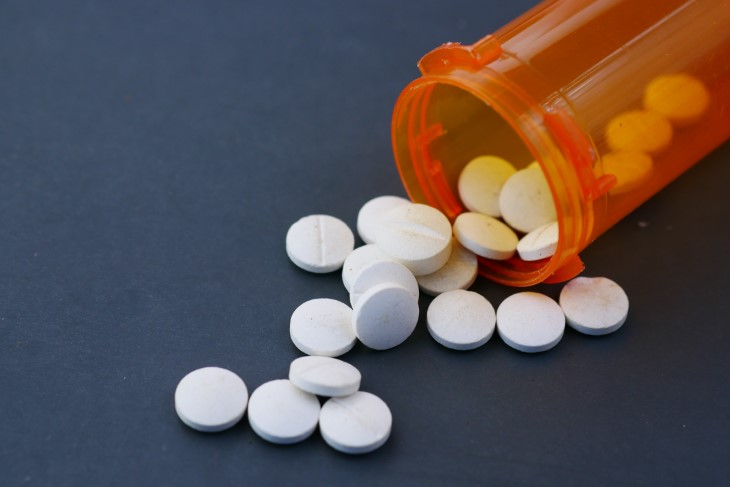
The most unsettling part is that this damage is usually invisible. A pill that has lost much of its potency in a hot car can look, on the outside, exactly as it always did. That is why careful storage matters so much: you often cannot tell by looking whether a medicine has been harmed.
Which Medications Are Most at Risk?
While all medicines prefer to be kept cool and dry, some are far more sensitive to heat than others, and several of them happen to be the emergency and everyday medications people depend on most. Take particular care with these:
- Insulin. Highly heat-sensitive. It begins to lose potency above about 80 degrees Fahrenheit (27 degrees Celsius) and breaks down rapidly above 90 degrees Fahrenheit (32 degrees Celsius). Insulin left in a warm car may look perfectly normal yet deliver a weakened dose. It must also never be allowed to freeze.
- Epinephrine auto-injectors (such as EpiPens). Carried for life-threatening allergic reactions, these degrade in heat and can fail in an emergency. They should be kept at room temperature, protected from light, and never stored in a car. Check the little window: if the liquid looks cloudy, discolored, or has particles in it, it needs replacing.
- Nitroglycerin. Used for chest pain, this one is especially fragile and can lose its effectiveness within hours in a hot vehicle, potentially failing during the very angina attack it is meant to relieve. Keep it in its original glass container, away from light and heat, and never in a pocket where body heat can reach it.
- Inhalers. These are pressurized canisters, and heat can affect both how they deliver the medicine and the canister itself. Never leave one in a hot car.
- Thyroid medication (levothyroxine). Sensitive to both heat and humidity. Heat-exposed tablets that look completely normal have been linked to thyroid levels drifting out of range.
- Liquid medicines, antibiotics, and biologic injections. Liquids and injectable biologic drugs are among the most fragile of all, because heat speeds up the chemical reactions that break them down. Many require refrigeration to begin with.
- Eye drops. Another liquid that can be degraded by heat, and worth keeping cool.
Even ordinary painkillers like aspirin are not immune. Aspirin can start to break down in the heat into compounds that irritate the stomach. When in doubt about any specific medicine, your pharmacist can tell you exactly how yours should be stored.
Storing Medication Safely on the Go
Summer is when medicines are most likely to get too hot, usually while we are out and about. A few habits keep them safe:
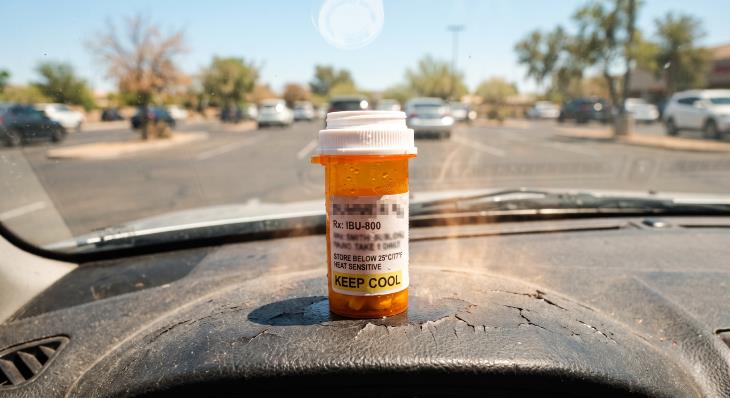
- Never leave medication in a parked car. Not in the trunk, not in the glove box, not even briefly. The inside of a parked car can climb well above 120 degrees Fahrenheit (50 degrees Celsius) in minutes, which is punishing for any medicine.
- Use an insulated cooler bag when traveling in the heat, especially for temperature-sensitive medicines like insulin.
- Do not let medicine touch the ice pack directly. Freezing can damage many medications just as badly as heat. Wrap them in a cloth, or use a special cooling pouch designed to chill without freezing, and keep them in the middle of your bag rather than pressed against the cold pack.
- When flying, pack medications in your carry-on, never in checked luggage, where the hold can reach damaging temperatures and your bag may go astray.
Storing Medication Safely at Home
It may surprise you that the bathroom "medicine cabinet," the traditional home for pills, is one of the worst spots of all. The heat and humidity from daily showers steadily shorten a medicine's life. Instead:
- Keep medicines out of the bathroom, and away from sunny windowsills and any cabinet directly above the stove or another heat source.
- Choose a cool, dry, dark place, such as a bedroom drawer or a closet.
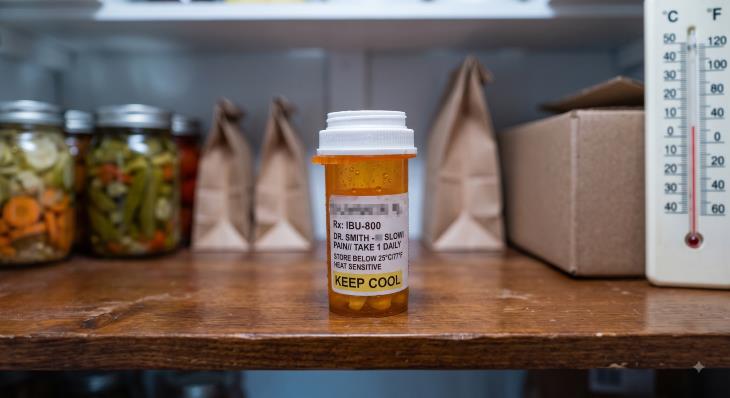
- If you like, keep a small thermometer where you store your medicines, so you can be sure the spot stays in the safe range.
- Always follow the specific storage instructions on the label or leaflet, which take priority over any general advice, and ask your pharmacist about anything that needs refrigerating.
Signs Your Medication May Have Been Damaged
Although heat damage is often invisible, there are some physical clues worth watching for:
- Pills or capsules that stick together, chip, crack, or change color or smell.
- Creams or ointments that have separated.
- Liquids or injections that look cloudy or discolored, or have developed crystals or particles.
The rule is simple: never take a medication that looks, smells, or feels different from usual, even if it has not yet reached its expiration date. Improper storage can cause a medicine to expire well ahead of the date printed on the label.
What to Do If Your Medicine Got Too Hot
If you realize a medication has been left in the heat, resist two opposite temptations: do not simply assume it is fine, but do not just throw it away either, particularly if it is something you truly need. Here is the safe path:
- Call your pharmacist the same day, especially for critical medicines like insulin, epinephrine, nitroglycerin, and thyroid tablets. Pharmacists can check the stability information for your exact product and tell you whether it is still safe to use or needs replacing.
- Never stop taking a critical medication over a mere suspicion of heat damage until you have a replacement in hand. Going without an essential medicine can be more dangerous than the uncertainty. Let your pharmacist guide you.
- Dispose of any damaged medicine properly, and your pharmacist can advise on how to do that safely.
A Different Heat Concern: Medicines That Affect You
While we are on the subject, it is worth knowing that heat and medications interact in a second way. Some medicines do not just suffer from the heat themselves; they change how well your own body copes with it. Certain water pills (diuretics), some blood pressure and psychiatric medicines, and others can affect hydration, sweating, or your sensitivity to the sun, raising your risk of dehydration, sunburn, or heat exhaustion. Common pain relievers like ibuprofen and some antibiotics can increase sun sensitivity too.
This is not a reason to stop any medication, but it is a very good reason to be extra careful about staying hydrated and cool in hot weather, and to ask your doctor or pharmacist whether any of your prescriptions call for special caution in the summer.