When summer bears down, the heat sneaks into our homes through a place we rarely think about: the windows. Sunlight pouring through the glass can turn a comfortable room into something like a greenhouse, sending the temperature climbing and the air conditioner into overdrive. The good news is that a handful of simple, often inexpensive window tricks can block a remarkable amount of that heat, keeping your home cooler and your energy bills lower. Here is what genuinely works, and what is worth your money.
Why Windows Are the Weak Spot
It helps to understand where the heat actually comes from. On a sunny day, the great majority of the sunlight striking your windows, around three quarters of it, passes through the glass and turns into heat inside your rooms. That is a huge amount of unwanted warmth entering the house, and it is exactly why a room with big sunny windows can feel stifling even with the air conditioning running.

Handled cleverly, though, your windows can become your best defense rather than your weak spot. Energy experts note that the smart use of window coverings can cut this heat gain by up to a striking 77 percent. That is the difference between a home that bakes and one that stays pleasant, and it is well within reach.
The Golden Rule: Stop the Sun Before It Gets In
If you remember one principle, make it this: it is far more effective to block sunlight before it passes through the glass than to deal with the heat once it is already inside. Once the sun's energy is through the window, much of its warmth is already in the room. This is why shading on the outside of a window always beats shading on the inside, a fact worth keeping in mind as we go through the options.
The Habit That Costs Nothing: Timing
Before spending a penny, you can make a real difference simply by using what you already have at the right moments. This is the single most valuable trick of all.
- Close your curtains and blinds during the day, on any window the sun is shining on, and do it before the room heats up rather than after. Shutting out the sun early keeps the heat from ever building.
- Open up at night and in the early morning, when the outside air is cooler. Opening windows on opposite sides of the house creates a refreshing through-breeze that flushes out the warm air.
- Follow the sun around the house. Close the coverings on whichever side the sun is hitting, and you can leave the shaded side open for light. Adjust as the day goes on.

Know Your Windows: The West Side Is the Worst
Not all windows are equal offenders. Your west-facing windows are usually the biggest problem, because they catch the strong, low afternoon sun just when the day is already at its hottest. East-facing windows warm up in the morning, and south-facing ones take the midday sun. If you are going to invest in shading anything, start with the west-facing windows, where you will feel the benefit most.
Shading From the Outside: The Most Effective Option
Because outdoor shading stops the sun before it ever reaches the glass, these are the most powerful solutions of all:
- Awnings. A good awning can cut the heat coming through a window dramatically, by around 65 percent on a south-facing window and as much as 77 percent on a scorching west-facing one. Choose light colors, which reflect more sunlight, and retractable ones let you welcome the sun back in winter.
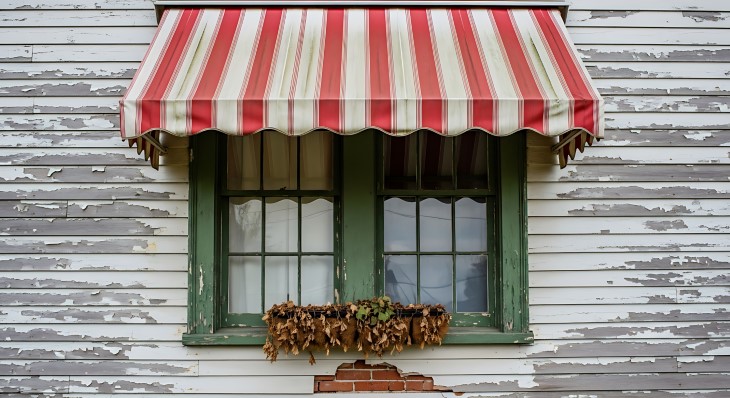
- Exterior shutters and blinds. Common in hot countries for good reason, these block the sun outside the glass while still letting you air the room.
- Nature's parasol. A well-placed tree, tall shrub, or even a trellis with climbing plants shades the window beautifully and cools the air around it. It is a longer-term project, but a lovely and effective one.
On the Glass: Reflective Window Film
If you would rather keep your view and your daylight, reflective window film is one of the best-value options there is. Applied directly to the glass, it bounces a large share of the sun's heat straight back outside, blocking as much as three quarters of it, yet it is inexpensive and works away quietly all day without your having to open or close a thing. It is an especially smart choice for those hot west-facing windows.
Inside the Room: Choosing the Right Curtains and Blinds
Interior coverings are the most familiar option, and while they cannot match outdoor shading, the right ones, used well, still make a genuine difference. Here is how they compare:
- Cellular shades, also called honeycomb shades, are the standout choice indoors. Their clever pleated design traps pockets of air that act as insulation, and when fitted well they can cut unwanted heat by up to 60 percent.
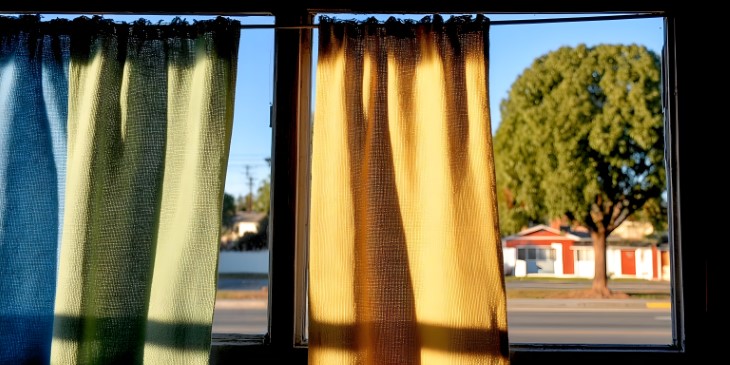
- Light-colored or reflective thermal curtains. Thick, lined curtains in a pale color reflect sunlight rather than soaking it up. Some are made with a reflective white backing designed to face the window, which works especially well.

- Roller and Roman shades in light or reflective fabrics are effective too, particularly the quilted, multi-layered kinds.
- Solar shades cut glare and block the sun's rays while still letting you see out, a nice compromise if you cannot bear to lose the view.
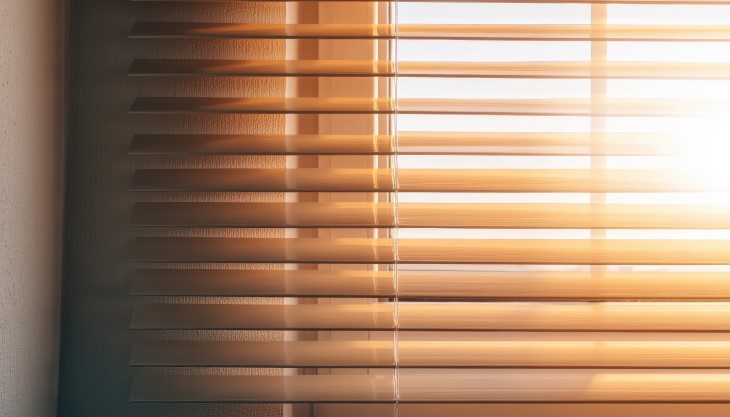
- Blinds are the least effective at controlling temperature, since the heat slips between the slats once it is through the glass. That said, light-colored or reflective blinds, tilted fully closed, still help, and they offer handy flexibility over light and privacy.
Getting the Most From Interior Coverings
Whatever you choose for inside, three simple principles roughly double their effect:
- Go light and reflective. Pale, light-colored surfaces facing the sun bounce heat away, while dark ones absorb it. The best heat-blockers are not the thickest or darkest, but the most reflective.
- Mount them close to the glass and seal the edges. Fitting a covering snugly within the window frame traps a buffer of still air against the glass. Adding a pelmet or valance across the top, and letting curtain panels overlap in the middle, stops warm air from sneaking around the edges.
- Keep them drawn while the sun is on them. A shade only works when it is down, so on a hot, bright day it needs to stay closed on the sunny side.
Clever Tricks on a Budget
You do not need to spend a fortune, and renters have good options too:
- Reflective window film is cheap, removable, and highly effective, as noted above.
- Bubble wrap pressed onto a lightly misted pane clings without any tape and creates an insulating layer of air. It is not pretty, but it works wonders on a garage, utility room, or a window you do not look through.
- Aluminum foil, shiny side facing out, reflects almost all the sun's heat. It is the most powerful emergency measure during an extreme heat wave, though of course it blocks the light and the view, so save it for the worst days or a hidden window.
- A light-colored sheet or blanket hung over a sunny window is a simple, temporary way to reflect the sun in a pinch.
For a room that simply will not cool down, no matter what you try, the answer is usually not one perfect solution but several working together. The idea is to build up layers of defense, so that each one catches the heat the layer before it missed. Sunlight that slips past an awning meets a reflective film on the glass, and whatever warmth still makes it through is caught by a shade or curtain inside. Step by step, the heat is turned away.
A few combinations work especially well together:
- Outside plus inside. An awning or exterior shutter paired with cellular shades or reflective curtains within is the most powerful pairing of all, tackling the sun both before and after it reaches the glass.
- Film plus fabric. Reflective window film on the glass, backed up by lined curtains or honeycomb shades, is a fine choice when you want to keep your daylight and view but block the worst of the heat.
- Shade plus curtain. A solar shade that preserves the view, layered behind a light-colored curtain you draw during the fiercest afternoon hours, gives you the best of both.
There is no need to do it all at once, either. You might begin this summer with the free habit of closing your curtains and an inexpensive roll of window film, then add an awning or new shades next year as the budget allows. And do not forget to enlist a fan into the effort. With the sun shut out, a simple fan moving the cooler air around can make a shaded room feel more comfortable still, at a tiny fraction of what the air conditioner would cost. Two or three modest measures, stacked together, will almost always outperform a single expensive one.
More Than Just a Cooler Home
Better still, these same window habits reward you in several ways that have nothing to do with the temperature:
- Lower energy bills. Every bit of heat you keep out is heat your air conditioner no longer has to fight. Easing that load can noticeably trim your summer electricity costs, so the small sums you spend on a film or a shade often pay for themselves before long.
- Protected furnishings. The sun's rays quietly fade fabrics, carpets, upholstery, wooden furniture, and artwork over the years, bleaching their color and drying out the wood. Blocking that sunlight helps your belongings keep their looks and last far longer.
- A better night's sleep. A bedroom that has stayed cool and dark all day is a much easier place to drift off on a warm summer night, and blackout coverings shut out the early morning light as well, so you are less likely to be woken at dawn.
- Gentler light, kinder on the eyes. Softening the harsh glare makes it easier to read, watch television, or use a computer or tablet without squinting, and gentler light tends to be more restful for older eyes.
- A little more privacy. Many of these coverings and films let you see out while making it harder for anyone to see in, a quiet comfort by day and night alike.
And here is perhaps the loveliest part. The very same curtains, shades, and films that keep the heat out in summer help hold your warmth in through winter, trapping a cozy buffer of air against the cold glass. Whatever you invest in taming the summer sun will go on earning its keep right through the year.