
The coffee is freshly brewed, but its aroma barely registers. Your favorite dinner seems less flavorful, although the recipe hasn’t changed. You find yourself asking whether anyone else can smell something cooking. These small changes are easy to overlook, especially when your eyesight, hearing, or aching joints demand more attention.
Yet your sense of smell deserves attention, too. It contributes to the pleasure of eating, connects familiar scents with memories, and helps warn you about danger. Although some decline becomes more common with age, a noticeable change should not automatically be dismissed as another birthday’s doing. Sometimes there is a treatable reason behind it.
Why does smell become weaker? High inside your nose is a small area of tissue containing specialized cells that detect odors. When you breathe in, these cells pick up tiny airborne particles and send signals to your brain, which recognizes them as freshly cut grass, cinnamon, or your favorite perfume.

This system can become less sensitive over time. Aging is associated with fewer smell receptors and a reduced ability to repair damaged ones. Changes in the moisture inside the nose may also make it harder for odors to be detected. The decline is generally gradual and becomes more noticeable in later life, particularly after age 70. However, the degree of change varies from person to person.
The first signs may appear at the dinner table. Food that once tasted rich and distinctive may seem surprisingly dull. That happens because much of what we consider flavor actually comes from smell. As we chew, aromas travel from the back of the mouth toward the nose. Your tongue may still recognize sweetness or saltiness, while the aromas that distinguish one food from another become harder to detect.
Other clues include needing to bring a familiar scented item closer to your nose, failing to notice cooking odors that others mention, or having difficulty identifying a smell you used to recognize immediately. A partial reduction is called hyposmia. A complete loss is called anosmia.
Smell can also change rather than simply weaken. Coffee might suddenly smell unpleasant, for example, or you might notice an odor when nothing nearby seems to explain it. These changes deserve attention, particularly if they persist.
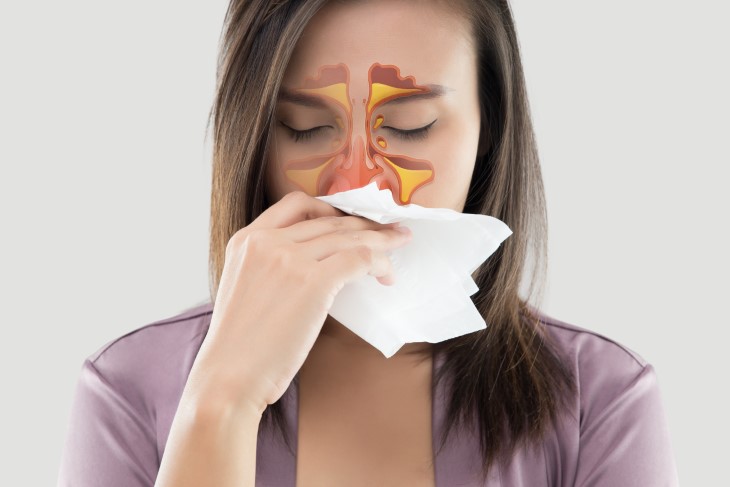
Age is only one possible cause. Colds, flu, COVID-19, allergies, and sinus problems can all interfere with smell. Sometimes swelling and congestion prevent odors from reaching the cells that detect them. In other cases, a viral illness affects the smell system, and the problem continues after the blocked nose has cleared.
Nasal polyps are another possibility. These soft, usually painless growths inside the nose can interfere with airflow. Unlike an ordinary cold, they may cause persistent stuffiness and reduced smell until they are treated.
Smoking, certain chemical exposures, head injuries, and some medicines can also contribute. Tell your doctor if the change began after starting a medicine or changing its dose, but do not stop a prescribed treatment on your own.
Less commonly, reduced smell is associated with conditions affecting the brain and nerves, including Parkinson’s disease and Alzheimer’s disease. Smell loss alone does not establish either diagnosis. Nevertheless, mention accompanying symptoms such as worsening memory, tremor, or changes in walking to your doctor.
Some risks can be reduced. You cannot control your age, and there is no guaranteed way to preserve perfect smell throughout life. Men also appear more likely than women to experience smell problems. But several contributing factors can be addressed.
If you smoke, seeking help to quit is a worthwhile step. Smoking can contribute to smell loss and accelerate an age-related decline. Improvement after quitting is possible, although recovery varies.
Persistent nasal inflammation also deserves treatment. If allergies leave you congested for months, or sinus symptoms keep returning, ask about a suitable management plan. Reducing exposure to your allergy triggers and using recommended treatments may help when inflammation is interfering with smell.
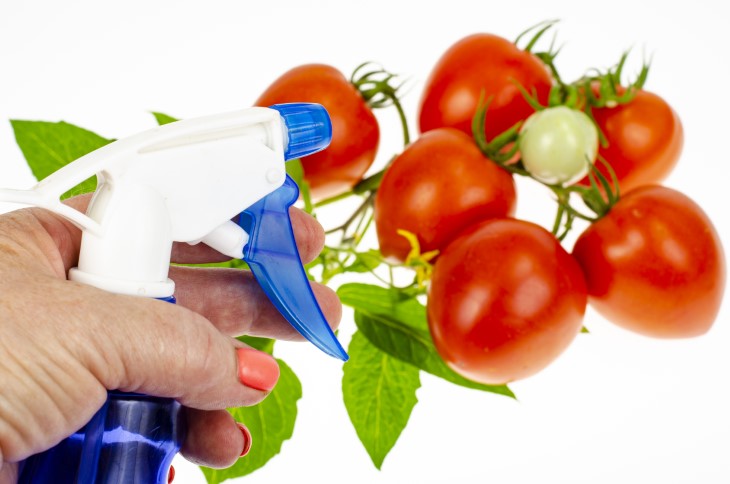
Be careful around solvents, pesticides, and irritating fumes. Follow product safety instructions, ensure appropriate ventilation, and use the protective equipment recommended for the job. Protecting your head from injury matters as well, since trauma can damage the structures involved in smelling. These measures address recognized causes of smell loss, although they cannot eliminate every risk.
Avoid assuming that a supplement or “natural” cold remedy must be harmless. Zinc products placed inside the nose have been linked to severe, sometimes permanent smell loss and should not be used. This warning concerns nasal zinc products; it does not mean that the zinc naturally present in food poses the same danger.
When should you see a doctor? Arrange an appointment if a change is unexplained, is getting worse, or has not returned to normal within a few weeks after an illness. Seek advice sooner if it is affecting your appetite, weight, or ability to manage safely at home. A sudden change should not be attributed to normal aging, which generally causes a gradual decline.

Your doctor will ask when the problem began, whether you recently had an infection or injury, and which medicines you take. You may be referred to an ear, nose, and throat specialist, commonly called an ENT.
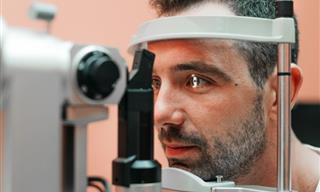
The assessment may include a smell test and a look inside the nose using a small camera. Some people need allergy testing, blood tests, or a scan, but these are selected according to the symptoms and examination findings. The aim is to identify what is causing the change before choosing treatment.
Treatment depends on the cause. If a medicine appears responsible, your prescriber may consider adjusting the dose or trying an alternative. If allergies or sinus inflammation are involved, treatment may include a steroid nasal spray to reduce swelling. These sprays are different from the muscle-building steroids people sometimes associate with athletics.
Doctors sometimes prescribe a short course of steroid tablets for nasal polyps. Because tablets can cause significant side effects, they require careful medical supervision. Steroids are not a general remedy for every kind of smell loss.
Surgery can help selected people whose smell is affected by nasal polyps or ongoing sinus disease. During a procedure called endoscopic sinus surgery, the surgeon works through the nostrils using a small camera and instruments to remove polyps or open obstructed areas.
This may improve smell, but it cannot guarantee recovery or reverse every kind of nerve damage. Polyps can also return, so ongoing treatment may be necessary. For some people with difficult, recurring nasal polyps, specialists may recommend injectable medicines called biologics, which target parts of the inflammatory process. These treatments are intended for specific nasal conditions, rather than ordinary age-related decline.
Smell training is another option worth discussing. It involves deliberately smelling a small selection of familiar scents regularly over several months. It may help some people, especially those whose smell changed after a viral infection.
A commonly used routine involves four scents, such as rose, lemon, clove, and eucalyptus. Gently smell each one for about 10 to 20 seconds, concentrating on your memory of its aroma. Repeat once or twice daily for at least three months. Familiar kitchen scents may also be used; expensive equipment is unnecessary.
Think of it as repeated practice for the smell system. Progress can be slow, and improvement is not guaranteed. Ask your clinician whether it suits your situation, particularly if strong fragrances irritate your nose or breathing. It should not replace an examination for an unexplained change, and it is not an established guarantee against future age-related loss.
Protect your safety and your enjoyment of food. While you are seeking treatment, make sure your home has working smoke alarms. If you use natural gas, consider an appropriate gas-leak detector. A carbon monoxide alarm serves a different purpose and should not be assumed to detect a natural-gas leak.
Use cooking timers, date leftovers, and follow safe food-storage guidance instead of relying on a sniff to decide whether food is safe. At mealtimes, experiment with texture, temperature, color, herbs, and spices. Crunchy vegetables or a little lemon juice may make a dish more appealing without simply adding extra salt or sugar.
Tell your healthcare provider if eating becomes a chore, your weight changes unintentionally, or the loss leaves you feeling low. These effects deserve care as much as the symptom itself.
A fading sense of smell may be common with age, but its cause is worth understanding. Getting it checked can uncover a manageable problem, open the door to treatment, and help you protect the everyday pleasures and practical warnings that smell provides.