
We have all heard the advice a thousand times: eat your fruits and vegetables. It is one of the most reliable pieces of health wisdom out there, and for good reason. But a growing body of research suggests that when it comes to protecting your heart, the total amount of produce on your plate is only part of the story. The specific choices you make may matter just as much, and in some cases, even more.
At the center of this idea is a family of natural compounds called flavanols. They are found in many of the foods you already enjoy, yet most people simply are not getting enough of them. A recent study looked closely at this gap and found that even people who follow standard healthy eating guidelines often fall short of the amount linked to real heart protection. The good news is that closing that gap does not require a complicated diet or expensive supplements. It mostly comes down to choosing the right everyday foods a little more often.
Flavanols are a type of plant compound that belongs to a larger group known as polyphenols. You will find them naturally in a range of fruits, vegetables, beans, tea, and cocoa. They are part of the reason plants can be so good for us, and they have been studied for years because of the way they appear to support the cardiovascular system.
It is worth clearing up one small point of confusion right away. Flavanols are not the same as flavonols, even though the two words look nearly identical and are easy to mix up. They are related cousins within the broader polyphenol family, but they are distinct compounds. When researchers talk about the heart benefits described here, they are referring specifically to flavanols, the group that includes compounds like epicatechin found in tea, apples, berries, and cocoa.
What makes flavanols so interesting is not just that they are present in healthy foods, but what they appear to do once they are inside the body. Rather than acting like a single magic ingredient, they seem to work quietly behind the scenes, supporting the systems that keep blood flowing smoothly and the heart working well.
To understand why flavanols matter, it helps to picture the inner lining of your blood vessels. This thin layer, called the endothelium, plays a surprisingly large role in heart health. When it is functioning well, your blood vessels can relax and widen as needed, allowing blood to move easily and keeping pressure in a healthy range. When this lining becomes stiff or damaged, the risk of cardiovascular problems begins to climb.
Flavanols appear to help this lining do its job. Research has shown that consuming flavanol-rich foods can improve the function of the endothelium, encouraging blood vessels to dilate and supporting healthy blood flow. Some studies have even suggested that these compounds may help the body produce certain cells that repair the inner walls of blood vessels, which is a remarkable thing for a humble food compound to do.
There is more. Flavanols have been linked to lower blood pressure, reduced inflammation, and better blood vessel elasticity. As we age, our blood vessels naturally tend to stiffen, and that stiffening makes it harder to deliver oxygen efficiently to the body's tissues. Flavanols seem to gently counter some of these age-related changes, which is one reason they are especially relevant for readers who want to protect their hearts in their later decades.
One particularly interesting finding involves prolonged sitting, something most of us do far too much of. Studies have found that long periods of sitting can temporarily reduce how well blood vessels function, but that eating flavanol-rich foods beforehand may help offset that decline. Even physically fit individuals saw a benefit. While this does not give anyone permission to sit all day, it does hint at just how protective these compounds can be.
So how many flavanols should you actually aim for? Based on a large body of research, the figure that keeps coming up is around 500 milligrams per day. This is the amount that has been associated with meaningful heart benefits in major studies.
Previous research from one of the largest controlled studies on these compounds found that consuming about 500 milligrams of flavanols daily was linked to a reduced risk of dying from cardiovascular disease, by as much as 27 percent. That is a striking number for something as simple as a dietary adjustment. It does not mean flavanols are a cure or a guarantee, but it does suggest they can be a genuinely valuable piece of the larger heart-health puzzle.
The catch, according to the recent study, is that most people are not reaching that 500-milligram mark, even when they believe they are eating well. The researchers tracked the diets of roughly 30,000 participants across the United Kingdom and the United States, using biological measurements rather than relying only on what people reported eating. They found that the majority fell well short of the target, even among those following recommended healthy eating guidance.
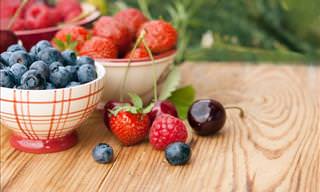
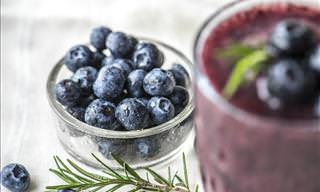
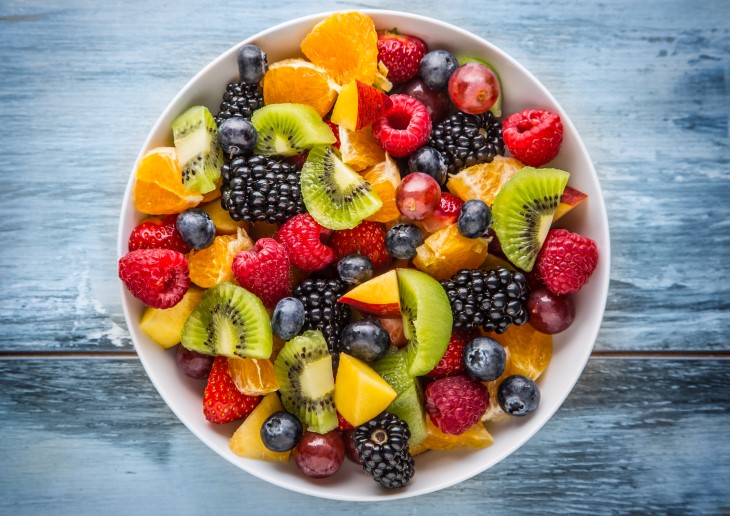
This is where the message becomes both surprising and encouraging. As the lead researcher put it, most people assume that simply eating plenty of fruit and vegetables takes care of everything. What this research suggests instead is that the particular choices you make can matter far more than the sheer quantity. A handful of blackberries, a whole apple, or a cup of green tea alongside a meal could meaningfully raise the amount of these beneficial compounds you actually take in.
Not all produce is created equal when it comes to flavanols. Some foods are far more generous than others. This does not mean you should avoid the lower-flavanol options, since variety in your diet matters enormously. It simply means that if heart health is on your mind, leaning a little more toward the richer sources is a smart move.
Here are some of the foods that research has identified as having the highest flavanol levels, along with rough amounts:
You will notice that berries and apples appear prominently on this list, and that green tea holds its own as a beverage. Cocoa, while not on this particular list, is another well-studied source of flavanols, which is part of the reason dark chocolate occasionally earns its reputation as a heart-friendly treat. The key with cocoa is that much of its flavanol content can be lost during heavy processing, so the benefits depend a great deal on how it is made.
Looking at that list, you might feel tempted to start cramming every single flavanol-rich food into your day. But nutrition experts suggest a gentler and more sustainable path. Rather than overhauling your entire diet, the more practical approach is to pick one or two favorites and make them a consistent part of your routine.
If you love berries, you might add them to your breakfast several mornings a week. If you are a tea drinker, a daily cup of green or black tea could do a lot of quiet good over time. Small, enjoyable habits tend to stick far better than ambitious plans that feel like a chore. The goal is consistency, not perfection.
It also helps to think about how you prepare and eat these foods. Eating apples with the skin on, for example, preserves more of their flavanols than peeling them. Choosing whole fruit over heavily processed juice keeps more of the beneficial compounds intact. And pairing flavanol-rich foods with the rest of a balanced meal allows your body to absorb them as part of an overall healthy pattern.
As promising as flavanols are, the experts behind this research are careful to keep them in perspective. This is not a story about a few miracle superfoods that will single-handedly protect your heart. It is about thoughtfully including evidence-based, nutrient-rich choices within an overall balanced diet.
In fact, one of the most important points raised by the researchers is that many people still do not meet even the basic recommendations for fruit and vegetable intake. Before anyone gets too focused on hitting a precise flavanol number, the first priority should simply be eating enough produce in the first place. Once that foundation is in place, choosing flavanol-rich options becomes a way to add an extra layer of protection on top.
Simple, sustainable changes tend to work best. Adding berries to your morning meal, reaching for an apple as a snack, or swapping a sugary drink for a cup of tea can naturally raise your flavanol intake while improving the quality of your diet overall. These are not dramatic sacrifices. They are easy, pleasant swaps that fit into ordinary life.
The broader aim, as the researchers describe it, is not to chase a single nutrient but to build a diverse, plant-rich way of eating that supports your heart for the long haul. Flavanols are one helpful thread in that larger fabric, not the whole cloth.
The heart benefits of fruits and vegetables are real, but this research adds a useful refinement to the familiar advice. It is not only about how much produce you eat, but also about which kinds you choose. By favoring flavanol-rich foods like berries, apples, plums, and green tea, you may be giving your heart a meaningful advantage with very little extra effort.
You do not need to memorize charts or count milligrams at every meal. A few small, consistent habits, built around foods you actually enjoy, can carry you a long way. So the next time you reach for a snack or pour yourself a drink, consider giving your heart a quiet favor. A bowl of blackberries or a warm cup of green tea might be doing far more good than you ever realized.