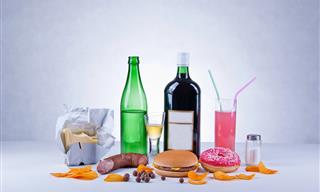

A glass of wine with dinner, a beer while watching the game, a nightcap before bed. Drinking can become so familiar that we rarely stop to consider how it affects the way we sleep, feel, and function. Taking a month off gives you a chance to notice those effects, and some of the changes may surprise you.
Whether you choose Sober October, Dry January, or simply pick 30 days on the calendar, a break from alcohol can bring benefits. How much you notice depends on how often you drink, how much you consume, and your overall health. Some improvements can appear within weeks; others depend on keeping your alcohol intake lower over time.

If you drink heavily or have experienced shaking, sweating, nausea, or anxiety when a drink wears off, speak with a healthcare professional before stopping. Physical dependence can make sudden withdrawal dangerous, and sometimes life threatening. A clinician can help you stop safely. Seizures, hallucinations, or severe confusion after cutting back require emergency medical attention.
For people who can safely take a break, here are eight changes worth knowing about.
That evening drink may make you feel sleepy, but falling asleep quickly and sleeping well are two different things. Alcohol can lead to lighter sleep and more waking during the night, leaving you tired even after spending enough hours in bed.

Removing it from your evening routine may help you sleep more consistently and wake feeling more rested. That can make a difference to your energy, patience, and ability to concentrate the next day.
The improvement may take time. People recovering from heavy drinking or alcohol dependence can initially have more trouble sleeping, and sleep problems may continue beyond the first month. Persistent insomnia deserves medical attention.
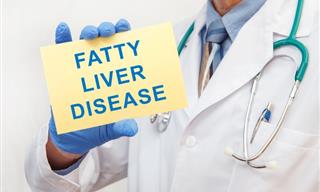
Your liver processes alcohol, and repeated heavy drinking can cause fat buildup, inflammation, and eventually scarring. Stopping removes an ongoing source of injury and gives the liver a better opportunity to recover.

Fatty liver caused by alcohol can often improve with abstinence. More serious liver disease needs medical assessment, and recovery depends on how much damage has occurred. Advanced scarring, known as cirrhosis, usually cannot be fully reversed.
You may not feel these changes, because early liver disease often has no obvious symptoms. If you have a history of heavy drinking or an existing liver condition, your doctor can advise whether blood tests or other checks are appropriate.
Some benefits show up in measurements rather than in how you feel. In a 2018 study, adults who chose to stop drinking for a month experienced improvements in blood pressure and insulin resistance, a measure of how well the body responds to the hormone that helps regulate blood sugar.

The study involved people drinking moderate to heavy amounts and excluded those with alcohol dependence or known liver disease. It was observational, so it cannot promise the same results for everyone. Still, it suggests that meaningful changes can happen within a few weeks.
Alcoholic drinks add calories, and sugary mixers can add still more. Removing those drinks can reduce your usual calorie intake without requiring you to change what is on your dinner plate.
Participants who abstained in the same 2018 study also experienced a modest reduction in body weight. Your own results will depend partly on what replaces the alcohol. Water, unsweetened sparkling water, or another drink with few calories will have a different effect from sweetened mocktails and extra desserts.
Alcohol can irritate the stomach lining and is associated with acid reflux. If it contributes to your symptoms, taking a break may mean less heartburn, nausea, or stomach discomfort.
Removing an irritant gives affected tissue a chance to heal, but there is no fixed timetable that applies to everyone. Digestive symptoms can also have other causes, so persistent discomfort should be checked rather than assumed to be part of the adjustment.
During the month, notice whether particular symptoms change. Does the burning after dinner ease? Are mornings more comfortable? Those observations can help you recognize a pattern and discuss it with your doctor.
Alcohol affects the brain systems involved in memory, judgment, coordination, and behavior. Taking a break removes its immediate effects, and fewer hangovers may make everyday tasks feel easier.
Some people notice clearer mornings, better concentration, or less anxiety associated with drinking. Keeping a brief record of your mood and energy can help you see whether alcohol has been affecting you more than you realized.
Recovery after prolonged heavy drinking takes longer. Research suggests that some changes in brain function can improve over months of abstinence. Anxiety or depression may also need treatment of their own, so seek support if symptoms persist or worsen.
Heavy drinking can interfere with the body’s defenses against infection and contribute to inflammation. Even a single episode of drinking heavily can impair aspects of the immune response afterward.

Taking a break avoids repeating that disruption and creates better conditions for recovery. However, claims that everyone’s immune system becomes stronger after a specific number of days go beyond what the research can establish. The effects depend on drinking history, nutrition, existing illness, and other factors.
Regular meals, adequate sleep, and appropriate medical care remain important while your body adjusts, particularly if drinking has affected your appetite or general health.
Alcohol is an established cause of several cancers, including cancers of the breast, liver, colon and rectum, esophagus, mouth, and throat. Beer, wine, and spirits all contain the alcohol responsible for this risk.
A month without drinking reduces your exposure during that period. The larger benefit comes from sustaining the change: research links stopping alcohol with lower risks of cancers of the mouth and esophagus, with evidence suggesting benefits for some other cancers as well.
Cancer risk changes over years, so a 30 day break cannot be assigned a precise reduction in risk. It can, however, help you establish habits that reduce your exposure in the months and years ahead.
Pay attention to more than the number of days completed. Note how you sleep, how you feel after meals, when you crave a drink, and how much money you save. You may discover that drinking is closely tied to a particular time, place, or feeling.
Make those moments easier by planning an alternative: sparkling water with dinner, a walk after work, or a social activity that does not revolve around drinking. If you find it difficult to stop or stay within limits you set, professional support can help.
At the end of the month, use what you have noticed to decide what comes next. Better sleep, easier mornings, or improvements in your health measurements may give you a practical reason to keep drinking less, or to continue without alcohol.