
Spinach gets plenty of attention, and kale has enjoyed years in the spotlight. But there’s another leafy green worth making room for on your plate: mustard greens. With their peppery bite and generous supply of nutrients, these leaves can bring both flavor and variety to everyday meals. You may already know them as a traditional Southern side dish, but they’re also delicious stirred into soup, sautéed with garlic, or added to a salad. From supporting healthy bones to helping your digestive system, here’s what mustard greens can contribute to your diet.
First, What Are Mustard Greens?
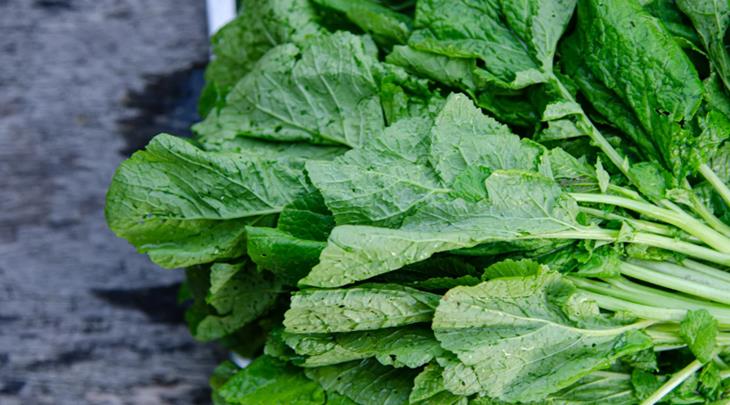
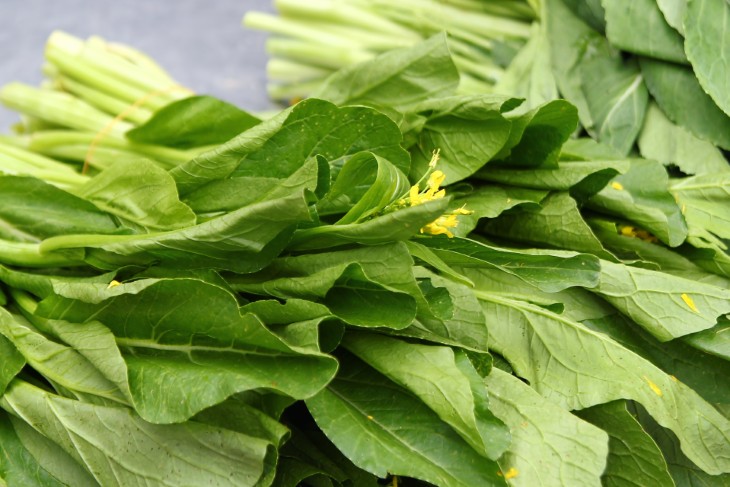
Mustard greens are the edible leaves of mustard plants. They belong to the cruciferous vegetable family, which also includes broccoli, cabbage, cauliflower, and Brussels sprouts. Depending on the variety, their leaves may be flat or frilly, green or tinged with purple, with a flavor that ranges from mildly peppery to quite pungent.
Young leaves tend to be more tender and work well raw, while larger leaves generally benefit from cooking. Their nutritional appeal includes vitamins C and K, beta-carotene, fiber, and a variety of plant compounds. You don’t need a complicated recipe to enjoy them, either. A little olive oil, garlic, and lemon can be enough to turn a bunch of greens into a satisfying side dish.
Carrots aren’t the only vegetables worth considering when you think about eye health. Mustard greens provide beta-carotene, which your body can convert into vitamin A. This vitamin helps maintain normal vision, including your ability to see in low light.
The leaves also contain lutein, a plant pigment associated with eye health. However, eating mustard greens hasn’t been shown to prevent age-related macular degeneration on its own. Research involving particular vitamin and mineral supplements for people with this condition should not be confused with evidence that one vegetable can deliver the same results.
The everyday benefit is simpler: mustard greens are another way to give your eyes some of the nutrients they need to function properly.
When we think about strong bones, calcium usually comes to mind first. Vitamin K deserves some attention, too. It helps the body make proteins involved in maintaining healthy bone tissue, and mustard greens are an excellent source.
Getting enough vitamin K is part of looking after your skeleton, particularly as you grow older. That doesn’t mean an extra serving of greens will prevent a fracture or reverse osteoporosis. Bone health also depends on other nutrients, physical activity, and, for some people, medical treatment.
Still, adding vitamin K-rich vegetables to your meals is a useful way to support a balanced diet that takes bone health into account.
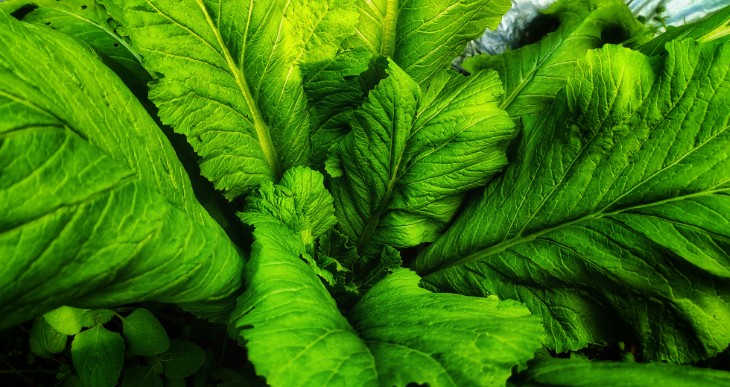
Mustard greens contain vitamin C, which contributes to normal immune function and helps your body make collagen. Collagen is a structural protein found in skin and other tissues, and it plays an essential role in wound healing.
Vitamin C also helps you absorb iron from plant foods. That makes greens a useful companion to meals containing beans or lentils, which provide plant-based iron.
Rather than thinking of mustard greens as something that “supercharges” your defenses, think of them as one source of the raw materials your body uses for everyday maintenance and repair. Consistently getting enough nutrients matters more than expecting a dramatic effect from any single meal.
Mustard greens provide dietary fiber, which helps support regular bowel movements. Fiber adds bulk to stool, and getting enough fluid helps it do its job.
This can be particularly useful if your usual meals contain plenty of refined grains, meat, and cheese but relatively few vegetables, beans, or whole grains. Adding greens to an omelet, soup, or bean dish is a straightforward way to increase the variety of fiber-containing foods you eat.
If you’re increasing your fiber intake, make changes gradually. Suddenly eating much larger amounts can leave you feeling bloated or gassy. A modest serving is a sensible starting point, especially if leafy vegetables haven’t been a regular feature of your meals.
Your body produces unstable molecules called free radicals during normal activities, including turning food into energy. Environmental exposures, such as cigarette smoke and air pollution, can contribute to their formation as well. When these molecules overwhelm the body’s defenses, they can damage cells.
Mustard greens supply antioxidant nutrients, including vitamin C, that help protect cells against this damage. This is one reason vegetables deserve a regular place on your plate.
However, “contains antioxidants” doesn’t mean a food can erase the effects of smoking, poor sleep, or an otherwise unbalanced diet. The useful approach is to eat a range of vegetables and fruits regularly, allowing different foods to contribute different nutrients.
Like other cruciferous vegetables, mustard greens contain glucosinolates. When these compounds break down, they form substances that researchers are studying for possible effects on processes involved in cancer development.
Some findings from laboratory and animal research are promising. Studies in people, however, have produced mixed results, and they do not establish that eating mustard greens prevents or treats cancer.
That distinction matters. Mustard greens can be part of a healthy eating pattern, but describing them as a natural cancer treatment goes well beyond the evidence. Their appeal rests on being a nutritious vegetable that can help diversify your meals.
You may encounter claims that mustard greens fight harmful bacteria, dramatically reduce inflammation, or help you live longer. These statements often make early research sound more conclusive than it is.
A plant extract affecting bacteria in a laboratory doesn’t establish that eating the leaves will treat an infection. Similarly, finding that people who eat more vegetables have better health outcomes doesn’t prove that mustard greens alone caused those benefits. People’s overall diets, activity levels, and other habits also matter.
The leaves have plenty to recommend them without promises that extend beyond what research can show.
If you take warfarin, consistency is important. Mustard greens are rich in vitamin K, which can affect how this medication works. You generally don’t need to eliminate leafy greens, but you should keep your vitamin K intake reasonably consistent and discuss major dietary changes with the clinician managing your medication.
If you have a thyroid condition, portion size and preparation can matter. Cruciferous vegetables contain substances that can interfere with the body’s use of iodine, particularly when eaten raw in very large quantities. This is different from enjoying an ordinary serving with dinner. If you have hypothyroidism, seek individual advice before making large amounts of raw greens or green juices a daily habit.
If their peppery flavor is unfamiliar, start by combining them with milder ingredients. A few simple options include:
Sauté them with garlic. Cook chopped leaves in a little olive oil until tender, then finish with lemon juice.
Stir them into soup. Add them to vegetable, lentil, or white bean soup and simmer until they reach the texture you like.
Mix young leaves into a salad. Combine a small handful with mild lettuce, sliced apples, and walnuts.
Add them to eggs. Cook the greens first, then fold them into scrambled eggs or an omelet.
Serve them with beans and grains. Their assertive flavor pairs well with brown rice, chickpeas, and other pantry staples.
Wash the leaves thoroughly and remove any tough stems before preparing them. If you find their flavor too sharp, cooking them and pairing them with beans or a squeeze of lemon may make them more appealing.
You don’t have to replace your favorite vegetables or overhaul your meals. The next time you’re choosing greens, pick up a small bunch of mustard greens and try them in a dish you already enjoy. Their bold flavor might be the reason you keep coming back.