
An orange for vitamin C, a banana for potassium, a handful of berries for their antioxidants. Many of us associate our favorite fruits with particular nutrients, but there’s another mineral quietly contributing to their nutritional value: magnesium.
Your body needs magnesium for normal muscle and nerve function, energy production, and healthy bones. It also helps regulate blood pressure and blood sugar. Nuts, seeds, beans, and leafy greens are generally richer sources than fruit, but fruit can contribute to your daily intake while adding flavor and variety to your meals.
So, which fruits deserve a place in your shopping basket? Here are nine worth considering, with realistic portions and simple ways to enjoy them.
For adults aged 31 and older, the recommended daily amount is 320 milligrams for women and 420 milligrams for men. Older adults can be more vulnerable to inadequate magnesium because absorption tends to decline with age, while certain health conditions and medications can affect magnesium levels.
The amounts below are approximate. Variety, size, and preparation can all affect the figures. These fruits also aren’t ranked from highest to lowest: some are convenient everyday choices, while others offer more magnesium in a smaller portion.
Magnesium: About 25 mg per ¼ cup.
With their chewy texture and rich sweetness, dried figs make an appealing addition to breakfast or an afternoon snack. They provide fiber along with minerals such as potassium and calcium.
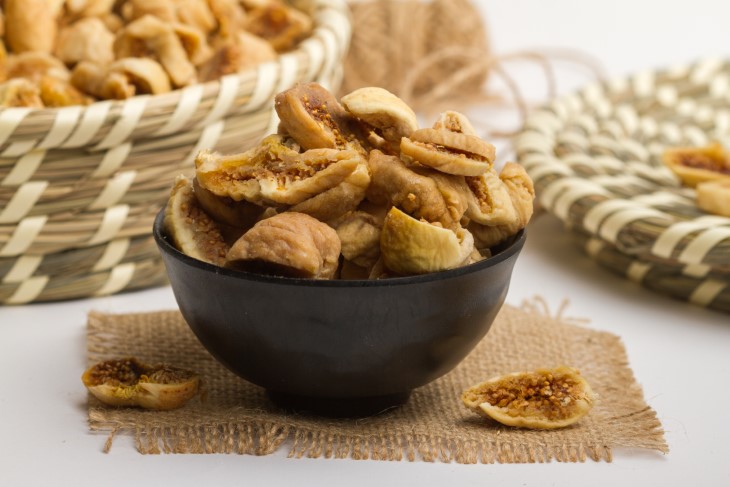
You may have seen figures of around 101 mg of magnesium per cup of dried figs. That’s accurate, but a full cup is a substantial portion. A quarter cup is a more practical amount to sprinkle over oatmeal or combine with a small handful of nuts.
Try this: Chop dried figs into plain yogurt and add a little cinnamon. If they’re too firm, soak them briefly in warm water before slicing.
Magnesium: About 17 mg per ¼ cup of raw pulp and seeds.
Passion fruit has a bright, tart flavor that can make even a simple bowl of yogurt feel special. Its edible seeds and surrounding pulp supply fiber, along with vitamins A and C.
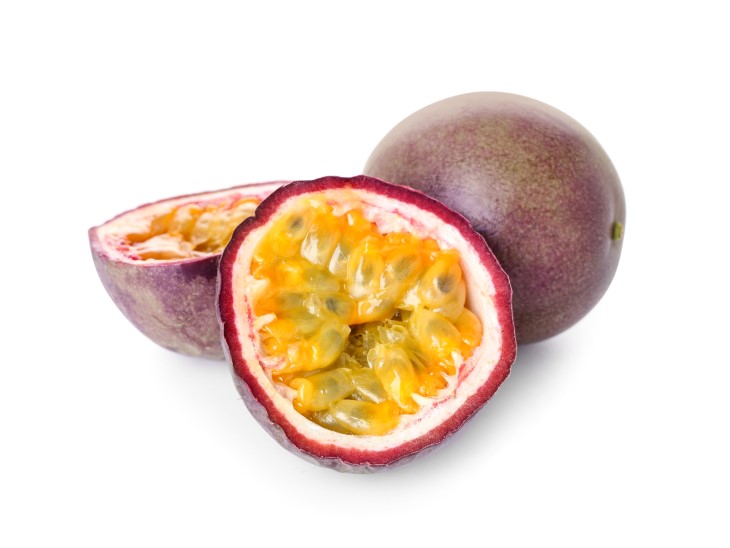
A full cup contains approximately 68 mg of magnesium, but that requires the contents of several fruits. A smaller serving works well as a topping, especially when you want plenty of flavor without preparing a large fruit salad.
Try this: Cut the fruit in half and scoop the pulp and seeds over oatmeal, yogurt, or sliced banana.

Magnesium: About 10 mg per ¼ cup.
Dried apricots are easy to keep in the pantry and convenient to carry when you’re away from home. Their magnesium contribution is modest, but they also provide potassium, fiber, and beta-carotene, which the body can convert to vitamin A.
Because drying removes water, dried fruit packs its natural sugars and calories into a smaller volume. Enjoying a measured portion makes more sense than eating straight from a large bag.
Try this: Chop a few dried apricots into oatmeal or mix them with unsalted almonds for a sweet-and-crunchy snack.
Magnesium: About 32 mg in one medium banana.
Bananas earn their place here through sheer convenience. They come in their own packaging, require no washing or chopping before peeling, and work equally well at breakfast or as a snack.
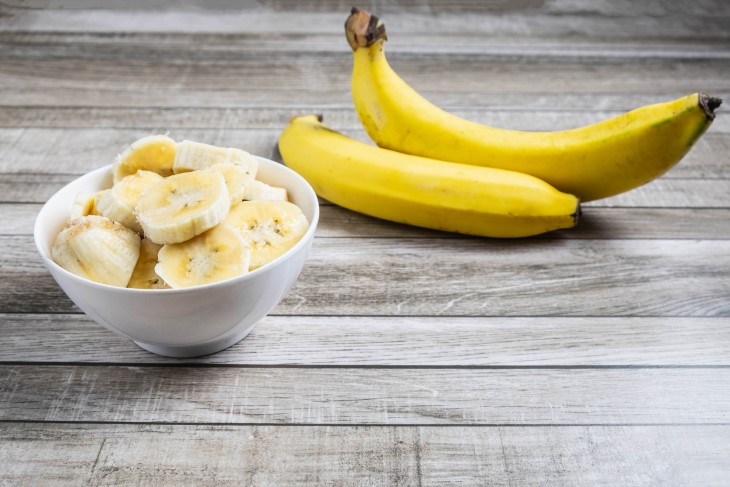
Alongside magnesium, they provide potassium, vitamin B6, and fiber. Their mild flavor also makes them easy to pair with other foods that contribute magnesium, such as oats, nuts, and peanut butter.
Try this: Spread a little peanut butter on banana slices, or freeze peeled banana pieces to blend into a thick smoothie.
Magnesium: About 30 mg per cup of cubed fruit.
Papaya’s soft texture and mellow sweetness make it a pleasant alternative when you’re tired of the usual apples and bananas. It supplies vitamin C and carotenoids, including beta-carotene. Red-fleshed varieties also contain lycopene, the pigment associated with tomatoes.
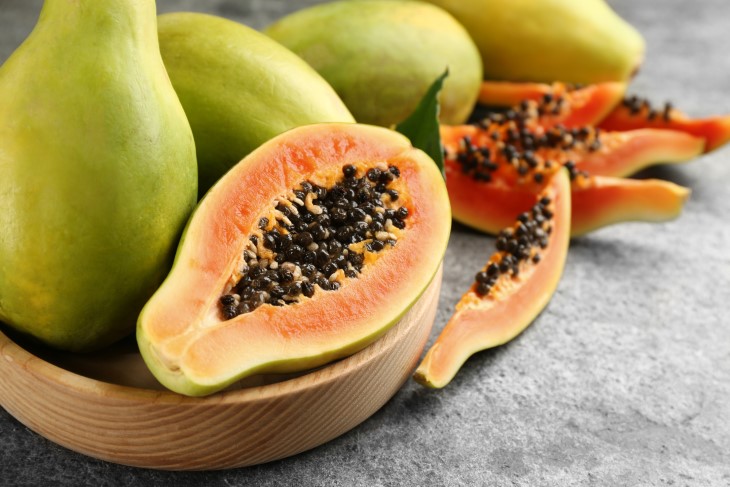
These compounds add nutritional value, but describing papaya as a cancer-fighting food goes beyond what eating a serving has been shown to accomplish.
Try this: Halve a ripe papaya, scoop out the seeds, and cut the flesh into cubes. A squeeze of lime brings out its flavor beautifully.
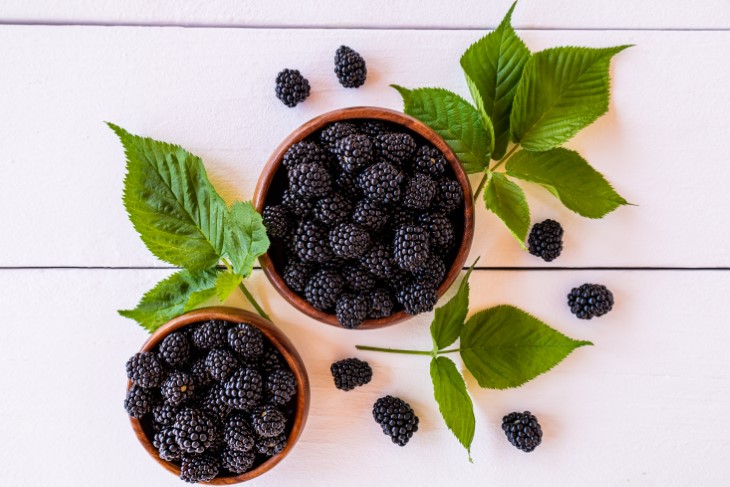
Magnesium: About 29 mg per cup of fresh berries.
Blackberries offer a combination of fiber, vitamin C, and plant compounds called anthocyanins, which give them their deep purple color. Their tartness works especially well with creamy foods and naturally sweet fruit.
They’re also easy to use without much preparation. Fresh berries are lovely when available, while unsweetened frozen blackberries are a convenient option for oatmeal, smoothies, or a quick fruit sauce.
Try this: Warm frozen blackberries in a small saucepan with a splash of water, then spoon them over plain yogurt.
Magnesium: About 31 mg per cup of sliced green kiwi.
Kiwi provides vitamin C and fiber, and it has an additional benefit supported by research. A clinical trial found that eating two green kiwifruits daily for four weeks improved bowel movement frequency and abdominal comfort in participants with constipation. That finding concerns the whole fruit; it doesn’t establish magnesium as the reason for the improvement.
Its refreshing tartness also makes kiwi a good companion for sweeter fruits.
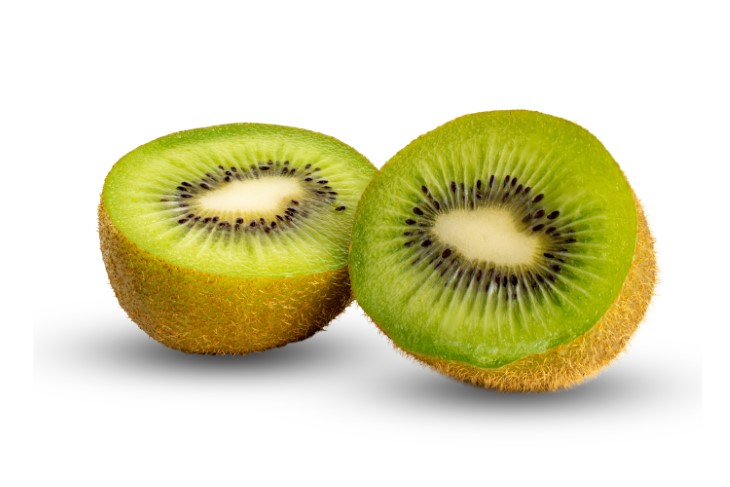
Try this: Cut a kiwi in half and eat the flesh with a spoon, or add slices to a bowl of banana and berries.
Magnesium: About 22 mg per ½ cup of cubed avocado.
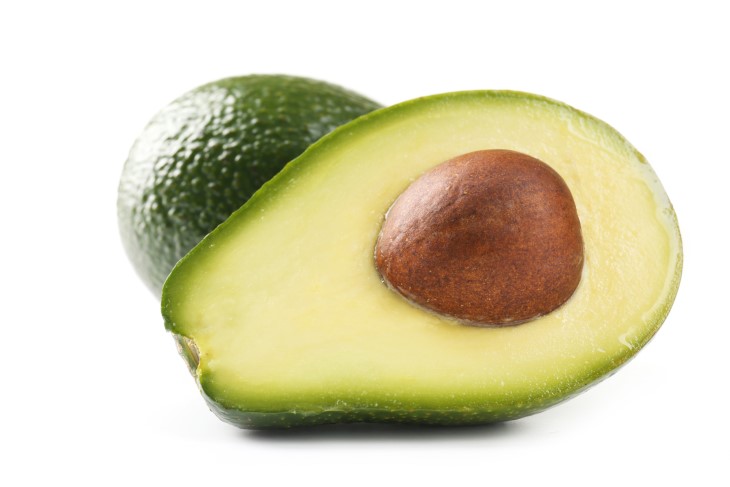
Yes, avocado is a fruit, even though it usually appears in savory dishes. It contributes fiber and unsaturated fats as well as magnesium, making it a useful ingredient for meals that need a little more substance.
Its creamy texture works in sandwiches, salads, dips, and dressings. Pairing it with beans creates a meal containing more than one source of magnesium.
Try this: Combine cubed avocado with black beans, chopped tomatoes, lime juice, and cilantro for a simple lunch or side dish.
Magnesium: About 18 mg per cup of orange segments.
Oranges contribute less magnesium than several fruits on this list, but they still bring useful nutrients to the table, particularly vitamin C.
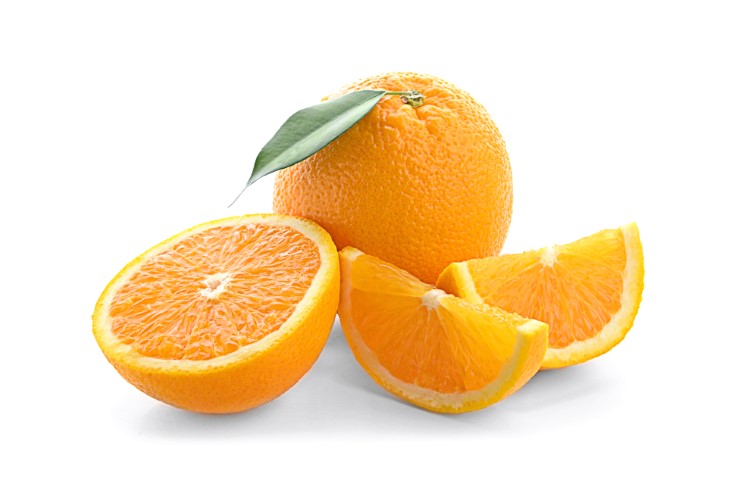
Eating the segments also provides fiber that juice generally contains in much smaller amounts. That makes a whole orange a useful everyday choice when you want something sweet and refreshing. USDA guidance recommends getting at least half of your fruit intake from whole fruit rather than juice.
Try this: Add orange segments to a green salad with avocado and a scattering of pumpkin seeds.
Researchers are investigating whether magnesium intake is related to healthier brain aging. A 2023 study involving approximately 6,000 adults aged 40 to 73 found associations between higher dietary magnesium intake and larger volumes in certain brain regions.
The findings are interesting, but the study was observational. It did not prove that increasing magnesium prevents dementia, or that any particular fruit protects memory. It supports further research rather than a promise of protection.
Combining fruit with another magnesium source is an easy way to increase your intake. One ounce of dry-roasted almonds provides about 80 mg, while half a cup of cooked black beans supplies around 60 mg.
Try bananas with almonds, blackberries with oats, or avocado with beans. Keep a few options you enjoy within easy reach, and vary them through the week. A nourishing diet becomes much easier to maintain when the food tastes good and fits comfortably into your day.