
If you use over-the-counter eye drops, this is important news. A major recall is currently underway, and the products in question have been sold at some of the most popular pharmacies in the country.
A California-based pharmaceutical company, K.C. Pharmaceuticals, has voluntarily recalled more than 3.1 million bottles of over-the-counter eye drops. The recall was initiated in early March and formally classified by the Food and Drug Administration (FDA) shortly after.
The reason? Concerns about sterility — specifically, a potential lapse in the manufacturing process that could compromise the cleanliness of the products. Importantly, no illnesses or injuries have been reported so far, but experts say caution is absolutely warranted.
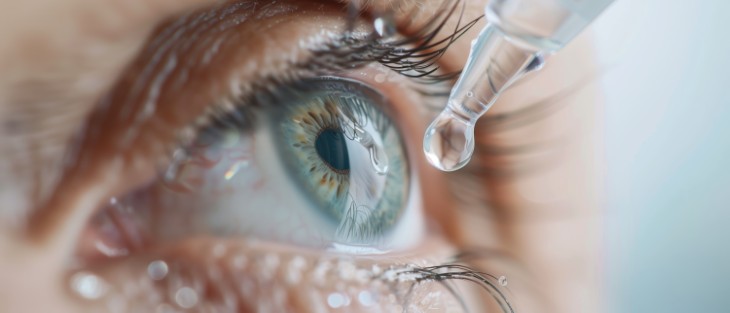
Which Products Are Affected?
The recalled eye drops were sold at major retailers including Walgreens, Kroger, and CVS. If you have any of the following products at home, you should stop using them immediately and throw them away:
CVS has confirmed that customers who purchased any of the four recalled items sold through their stores may return them for a full refund.
How Serious Is This?
The FDA classified this as a "Class II" recall, which means that while using the product could cause temporary health consequences, the likelihood of a serious health problem is considered remote. Think of it as a precautionary measure rather than a confirmed danger.
That said, the word "sterile" on a label matters a great deal when it comes to eye drops. Unlike other body parts, your eyes are extremely vulnerable to infection, and any product that goes into them must be completely free of bacteria and other microbes. As one expert put it, "We don't know if they really were contaminated. If they were, we don't know what type of microbe. All we know is that the manufacturer said there's an issue with sterility in these products."
A Reminder of Why Eye Drop Safety Matters
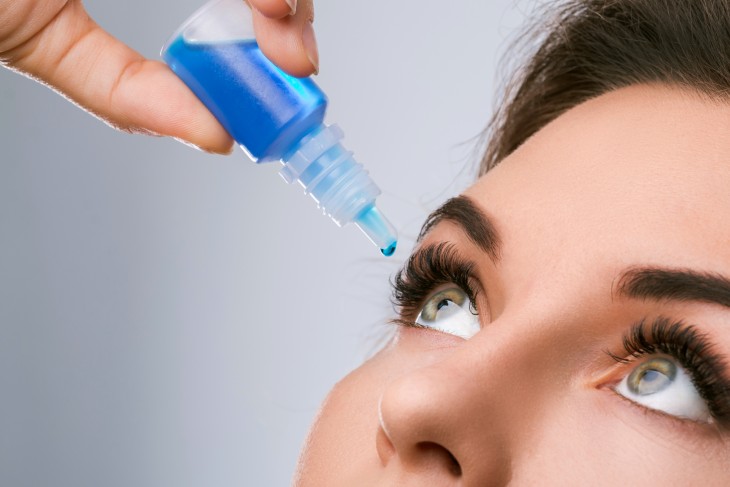
This recall brings back troubling memories of a serious outbreak just a few years ago, in 2023, when contaminated over-the-counter eye drops were linked to more than 80 infections across the United States, 14 cases of permanent vision loss, and four deaths. The bacteria responsible — Pseudomonas aeruginosa — was antibiotic-resistant, making it especially dangerous.
That incident was a wake-up call about the importance of manufacturing standards for eye care products — and a reminder that "over-the-counter" doesn't always mean risk-free.
What About Prescription Eye Drops?
If you use prescription eye drops — for glaucoma, dry eye, or an eye infection — you have nothing to worry about. This recall applies only to over-the-counter products. Doctors are urging patients to continue using their prescription medications without interruption.
Signs of an Eye Infection to Watch For
If you've recently used any of the recalled products, keep an eye out (pun intended) for these warning signs:
Keep in mind that these symptoms can sometimes be caused by seasonal allergies rather than an infection, especially at this time of year. The key is to monitor how things progress — if symptoms don't improve, it's time to see a doctor. And if you wear contact lenses, be especially vigilant. Contact lens wearers face a higher risk of eye infections because tiny, unnoticed abrasions on the eye can make them more susceptible to bacteria.
Simple Habits That Protect Your Eyes
Whether or not your eye drops are part of this recall, these best practices can help keep your eyes safe every time you use them:
The bottom line: toss any affected products, watch for symptoms, and don't hesitate to contact your doctor or pharmacist if you have any concerns. Your vision is too precious to take chances with.