
We often hear that exercise is good for the heart, helps us manage weight, and lifts our mood. But there's another powerful benefit that doesn't get nearly enough attention: regular physical activity may significantly reduce your risk of developing colon cancer, one of the most common cancers affecting older adults.
In fact, research shows that people who exercise regularly are up to 40 percent less likely to develop colorectal cancer than those who lead a sedentary lifestyle. That's a remarkable difference, and the good news is that it's never too late to start reaping the benefits.
Scientists have been working hard to understand exactly how movement protects against colon cancer, and they've uncovered several fascinating biological mechanisms at play.

When you exercise regularly, your body becomes better at regulating important hormones like insulin and sex hormones, both of which can influence cancer development when out of balance. Physical activity also helps reduce chronic inflammation throughout the body, which is increasingly recognized as a major contributor to many cancers.
Beyond that, exercise supports a healthy immune system and improves gut health, including how quickly food moves through your digestive tract. Faster transit time means harmful substances spend less time in contact with the lining of your colon. Movement also encourages your body to eliminate damaged cells before they can become problematic, and it appears to slow the growth of new cancer cells and the blood vessels that feed them.
Interestingly, while exercise benefits people of all ages, regular activity between the ages of 30 and 50 seems particularly powerful for reducing colon cancer risk later in life. But here's the encouraging part: if you're past that window, don't be discouraged. Starting an exercise routine at any age still offers meaningful protection and supports your overall health in countless ways.

For those who have already faced colon cancer, the news is equally promising. A 2025 study followed people who had completed chemotherapy for colon cancer, comparing those who participated in a structured exercise program for three years afterward to those who received only health education materials.
The results were striking. Participants in the exercise group were more likely to be alive eight years after treatment than those who simply received information. The only downside noted was a slightly higher risk of exercise-related injuries, simply because the active group was, well, more active.
While researchers continue to study this connection, the message is clear: staying physically active after cancer treatment may be one of the best things you can do for your long-term wellbeing.
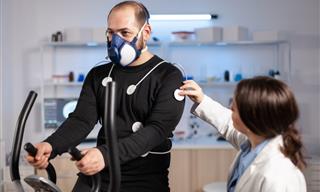
The standard recommendation from health organizations is at least 150 minutes of moderate intensity exercise each week, along with two full-body strength training sessions. That works out to about 30 minutes of activity, five days a week, which is very achievable for most people.
This baseline level of activity is associated with roughly an 8 percent reduction in colon cancer risk. But if you can do more, the benefits grow. Bumping up to 300 minutes of moderate activity per week, which is about an hour, five days a week, can reduce your risk by up to 14 percent.

Moderate intensity simply means activities where you're breathing harder than usual but can still hold a conversation. Brisk walking, swimming, cycling on flat ground, gardening, and dancing all qualify. The point is to find something you enjoy enough to do consistently.
If you've been mostly sedentary, don't feel pressured to jump into an intense routine overnight. Even small increases in daily movement can make a difference. Try taking a 10 minute walk after each meal, parking farther from store entrances, or doing some gentle stretching while watching television.
If you have existing health conditions or haven't been active in a while, it's a good idea to check with your doctor before starting a new exercise program. A personal trainer or physical therapist can also help design a routine that's safe and effective for your specific needs.
The bottom line is simple: your body was designed to move, and moving regularly is one of the most powerful tools you have for protecting yourself against colon cancer and many other diseases. Every step counts, and it's never too late to start.