
A bag of frozen shrimp in the freezer is one of the handiest things a cook can have. It keeps for ages, thaws in minutes, and can turn into a delicious dinner faster than almost anything else. Yet shrimp also has a reputation for going wrong, coming out rubbery, watery, or bland. The good news is that getting it right is wonderfully simple once you know a few small secrets. Here is everything you need to cook frozen shrimp beautifully, every single time.
Most recipes start with thawed shrimp, and there are two safe, easy ways to get there. Which you choose simply depends on how much time you have.
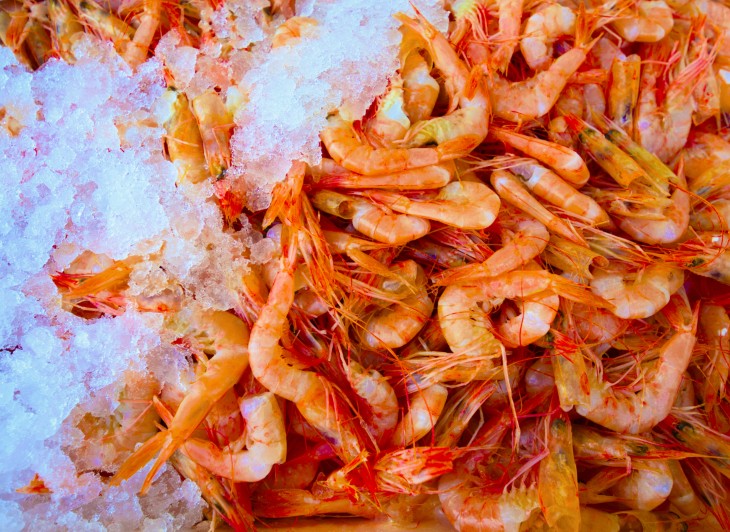
Just as important is knowing what never to do. Never thaw shrimp on the counter at room temperature, in warm or hot water, or in the microwave. Leaving seafood to sit out lets it drift into the temperature range where harmful bacteria multiply quickly, while hot water and the microwave begin to cook the shrimp unevenly and turn it rubbery before you have even started. Cold water or the refrigerator are the only ways to go. One more tip: keep the shrimp in their sealed bag rather than dropping them loose into the water, or they can turn waterlogged and mushy.
Here is the single most important trick, and the one most people skip. Once your shrimp are thawed, they will feel a little damp, which is perfectly normal. Take a moment to pat them thoroughly dry with a paper towel before they go anywhere near the pan.
This matters enormously if you plan to sauté, sear, or grill them. Wet shrimp dropped into a hot pan simply steam in their own moisture and turn out pale and soggy. Dry shrimp, on the other hand, sizzle and brown into a lovely golden color with a bit of crispness. That one small step, a quick pat with a towel, is the difference between disappointing shrimp and delicious ones.
Happily, yes, you often can, which is part of what makes frozen shrimp so convenient. You do not always need to thaw them first. Cooking from frozen will add just a couple of minutes to the cooking time, and it works best for dishes where the shrimp are boiled, steamed, or added partway through, such as soups, stews, curries, and sauces.
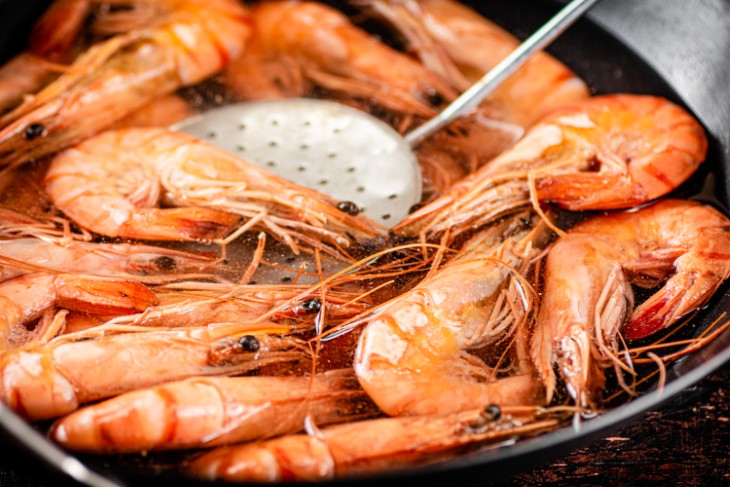
If your frozen shrimp are coated in a thick layer of ice crystals, it is worth rinsing that ice off under cold water first. It takes only a moment and keeps all that extra water out of your dish, where it would otherwise dilute your lovely sauce.
The one time you really do want to thaw and dry the shrimp first is when you are after a good sear or a crisp finish in a skillet or on the grill. For that golden-brown result, dry thawed shrimp are essential.
Your shrimp are ready to cook when they feel soft and bendable, with no hard, icy spots left in the middle. They should still feel cold to the touch, just no longer frozen. Getting them fully thawed is what allows them to brown properly, so it is worth checking each one rather than rushing a half-frozen batch into the pan.
If frozen shrimp sometimes get a bad name, there is usually one reason: they were overcooked. Shrimp cook astonishingly fast, often in just two to three minutes, and a minute too long turns them tough and rubbery. The trick is to watch them closely and take them off the heat the moment they are done.
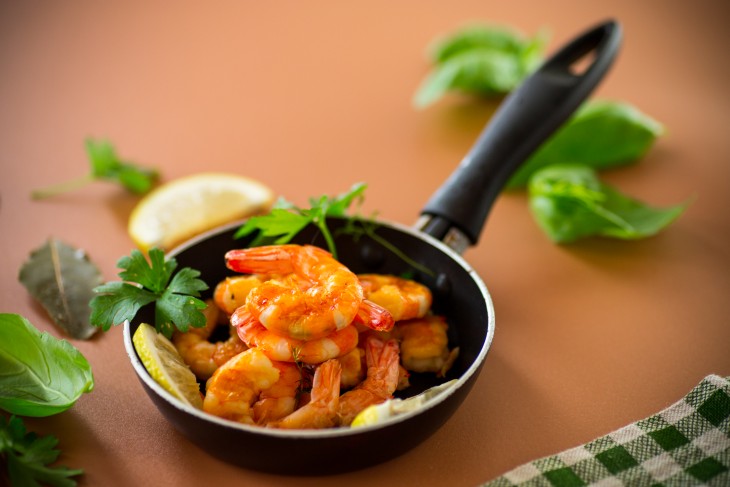
There is a charming visual clue to help. As a shrimp cooks, it curls up. A gentle "C" shape means it is cooked just right, while a tightly curled "O" shape, with the head end curling round to meet the tail, means it has gone too far and turned rubbery. That said, the shape is a helpful hint rather than a perfect test. The most reliable signs are color and firmness: perfectly cooked shrimp turn opaque, with a pink and white color, and feel just firm to the touch.
One of the joys of shrimp is how versatile they are, working with nearly any cooking method you like. Here are some of the tastiest ways to enjoy them:
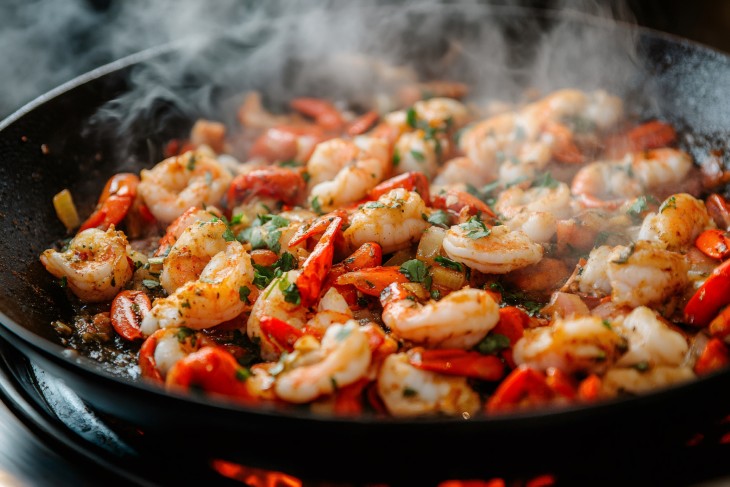
It is best not to. Technically, if you thawed the shrimp gently in the refrigerator, it is possible to refreeze them, but every freeze-and-thaw cycle damages the delicate texture, so the kinder advice is simply to avoid it. If you have thawed more shrimp than you need, the easy solution is to cook the extras rather than refreezing them. Cooked shrimp keep well in the fridge, so refrigerate them promptly and enjoy them within three to four days, in a salad, a sandwich, or a quick pasta.