Be honest now: were you ever scolded by a teacher for ending a sentence with a preposition, or for daring to begin one with "and"? If so, we have some good news. Many of the grammar "rules" we were taught as children are not really rules at all, but stubborn myths that have been passed down for generations. Of course, some rules are perfectly real and worth knowing. In this quiz, we will separate the genuine rules from the old wives' tales. Can you tell fact from fiction
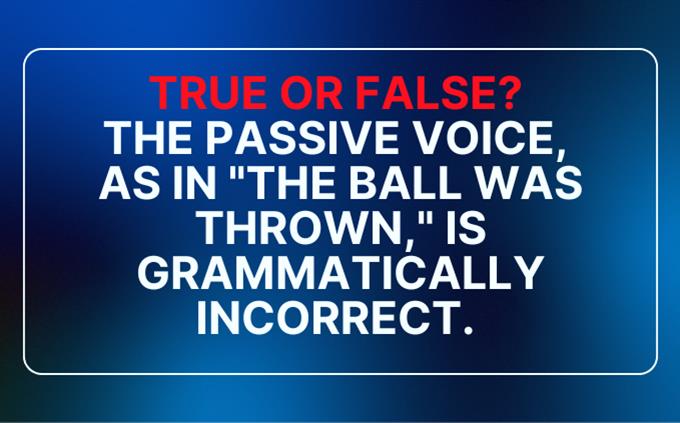
TRUE or FALSE: The passive voice, as in "the ball was thrown," is grammatically incorrect.
A myth. The passive voice is perfectly grammatical. It may be less lively than the active voice, but it is not wrong.
TRUE
FALSE
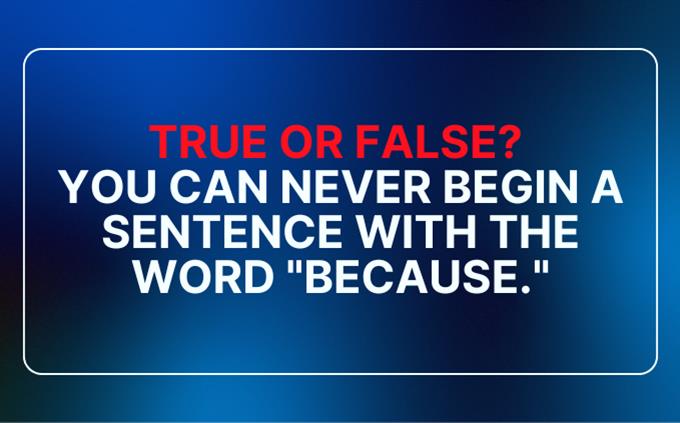
TRUE or FALSE: You can never begin a sentence with the word "because."
A myth. "Because it rained, we stayed indoors" is completely correct.
TRUE
FALSE
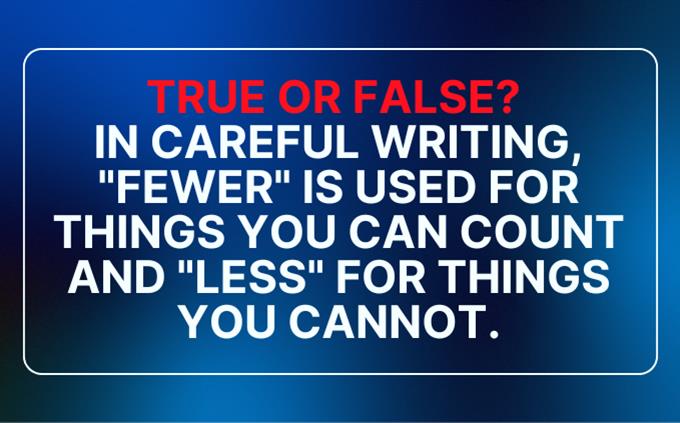
TRUE or FALSE: In careful writing, "fewer" is used for things you can count and "less" for things you cannot.
A genuine distinction. "Fewer cars" (countable), "less traffic" (uncountable).
TRUE
FALSE
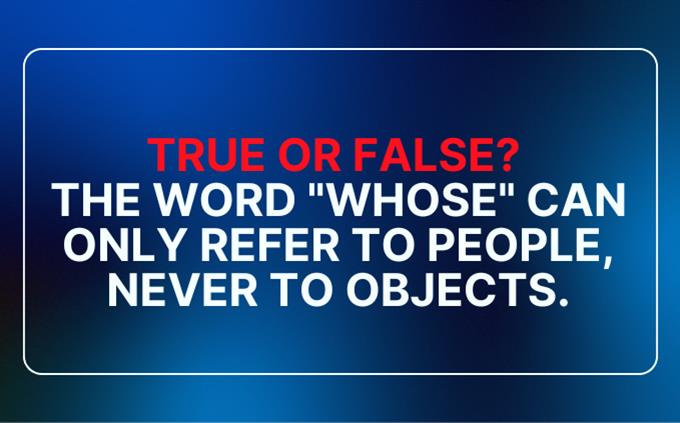
TRUE or FALSE: The word "whose" can only refer to people, never to objects.
A myth. "A house whose windows were broken" is perfectly acceptable.
TRUE
FALSE
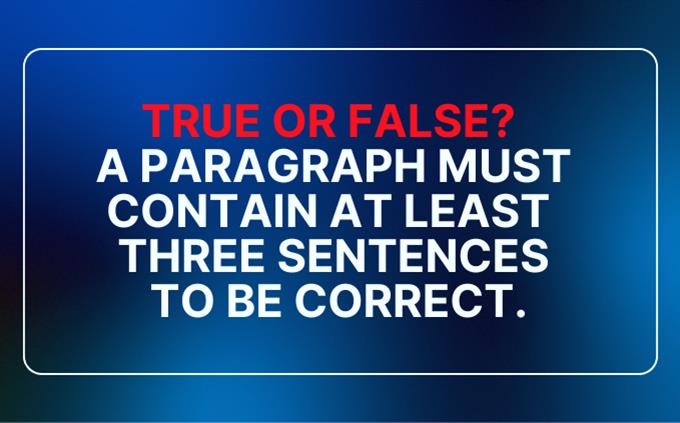
TRUE or FALSE: A paragraph must contain at least three sentences to be correct.
A myth. A paragraph can be a single sentence, or even a single word.
TRUE
FALSE
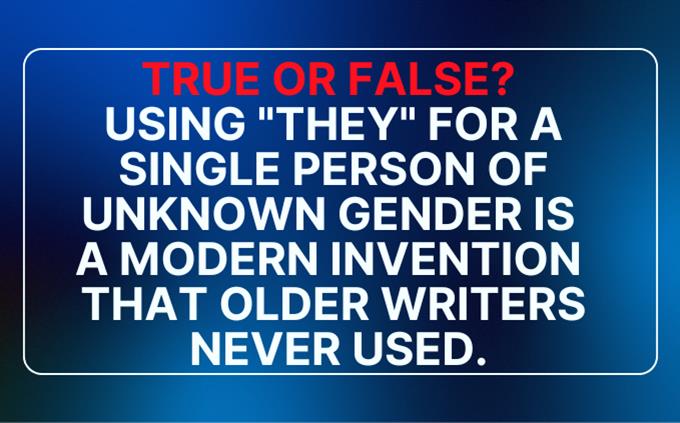
TRUE or FALSE: Using "they" for a single person of unknown gender is a modern invention that older writers never used.
A myth. The singular "they" has been used for centuries, including by Shakespeare and Jane Austen.
TRUE
FALSE
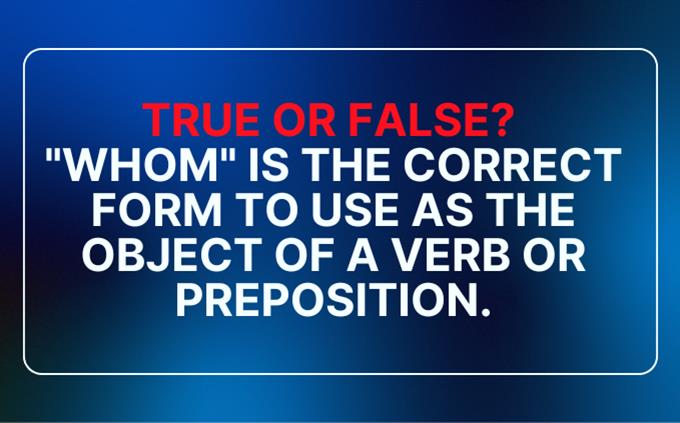
TRUE or FALSE: "Whom" is the correct form to use as the object of a verb or preposition.
TRUE
FALSE
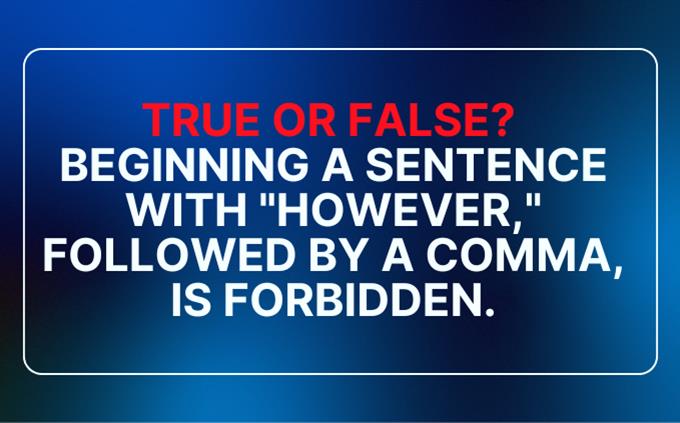
TRUE or FALSE: Beginning a sentence with "however," followed by a comma, is forbidden.
A myth. "However, the plan changed" is perfectly correct.
TRUE
FALSE
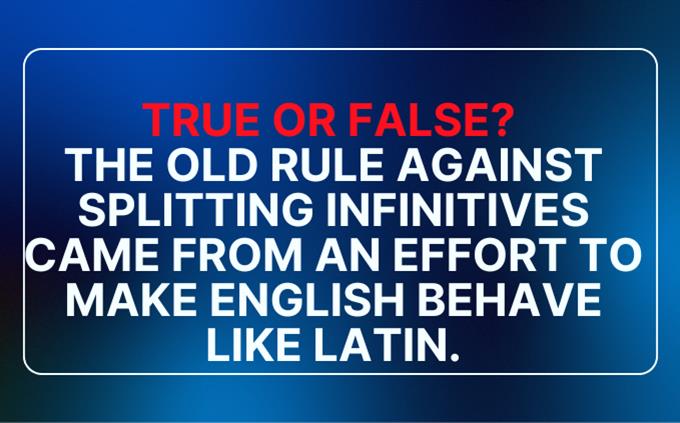
TRUE or FALSE: The old rule against splitting infinitives came from an effort to make English behave like Latin.
In Latin an infinitive is a single word that cannot be split, and some scholars tried to impose the same limit on English.
TRUE
FALSE
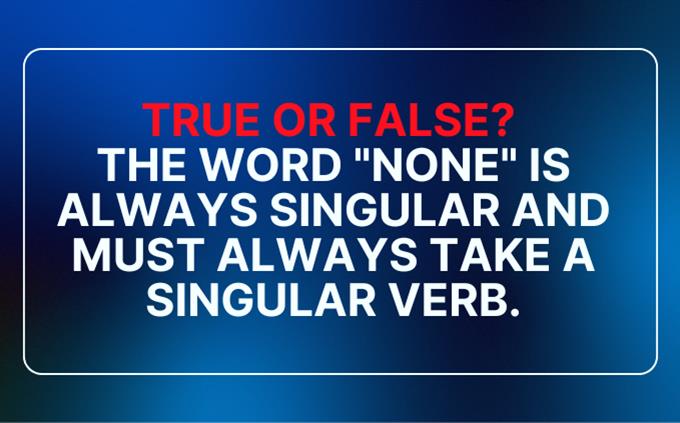
TRUE or FALSE: The word "none" is always singular and must always take a singular verb.
A myth. "None" can be singular or plural. "None of the cake is left," but "none of the guests were late."
TRUE
FALSE
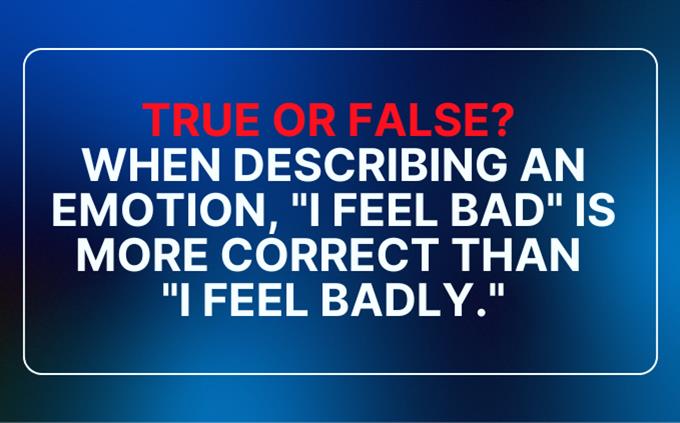
TRUE or FALSE: When describing an emotion, "I feel bad" is more correct than "I feel badly."
"Feel" here is a linking verb, so it takes the adjective "bad." "I feel badly" traditionally suggests your sense of touch is impaired.
TRUE
FALSE
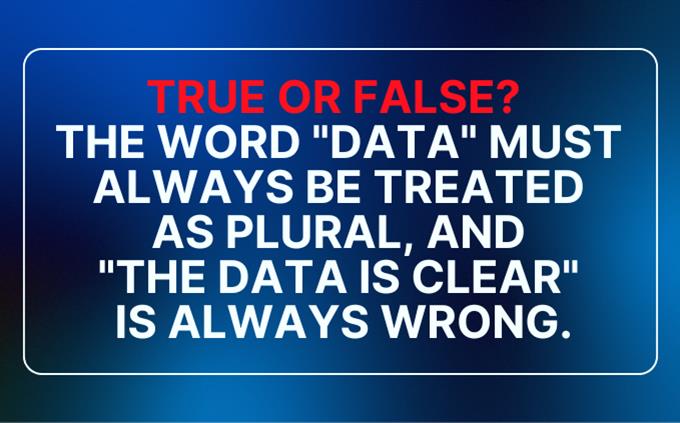
TRUE or FALSE: The word "data" must always be treated as plural, and "the data is clear" is always wrong.
A myth in modern usage. While "data" is plural in strict scientific writing, treating it as singular in everyday English is now widely accepted.
TRUE
FALSE
Schooled by the Old Rules
Well, it seems a few of these myths still have you in their grip, and honestly, who could blame you? Most of us were taught these "rules" as children and never had reason to question them. That is exactly why they have survived so long. The good news is that once you know which rules are real and which are merely superstition, you write with far more freedom. Why not read through the explanations and try again? You may be surprised how much you were worrying about for nothing. Thanks for playing along!
Nicely done! You have a good instinct for which rules are genuine and which are simply myths that refuse to die. You were not fooled into thinking a sentence cannot start with "but," and you still knew your real rules when they appeared. A few of the trickier ones caught you out, but that is no shame at all, as some of these myths are remarkably convincing. With a little more reading, you would spot every one. A splendid result to be proud of!
Outstanding! You are a true master of the language, and it shows. You knew that ending with a preposition is perfectly fine, that infinitives may be split with a clear conscience, and that many a cherished "rule" is really nothing but folklore. Yet you never lost sight of the genuine rules hiding among them. That is precisely the sort of clear, confident knowledge that sets a real wordsmith apart. Take a well earned bow, because you have busted these myths with flair. Simply magnificent!
Subscribe and REMOVE ALL ADS
LOVE our articles but HATE our ads? For only $3.89 per month, enjoy a seamless, ad-free experience that lets you focus on what matters most — enjoying all of our content, uninterrupted. 🔒 100% Secure Payment 📅 Cancel Anytime, No Strings Attached Unlock a cleaner, faster browsing experience today and gain the freedom to navigate without visual clutter.
Ready for a Ad-Free experience? Upgrade now for just $3.89/month!
To enable your Ad-Free Subscription, please fill the fields below
Thank you for your subscription!
Your subscription was successful, now you can enjoy an ad-free experience!! Note: To make sure you get no ads, please make sure to log in to your account. If you are logged in already, then refresh the page. The subscription can be cancelled at any time.
This content is reserved for our members
Join Our Community for FREE and Enjoy:
Full and free access to ALL content.
The 'Daily Mail' service sends the highest quality and the most fascinating content directly to your inbox.
 Shai K.
8/4/2026
Shai K.
8/4/2026




 Go to BabaMail