
Ants are one of the most persistent household visitors, especially once the weather warms up. They are not wandering in at random, though. A single scout ant slips inside, finds something worth reporting, and lays down a scent trail that leads the rest of the colony straight to the source. That means nearly every ant problem begins with something in the home that quietly invited them in. Here are the most common ways people attract ants indoors without realizing it, arranged from the everyday habits that cause the most trouble down to the surprising ones almost nobody thinks about.
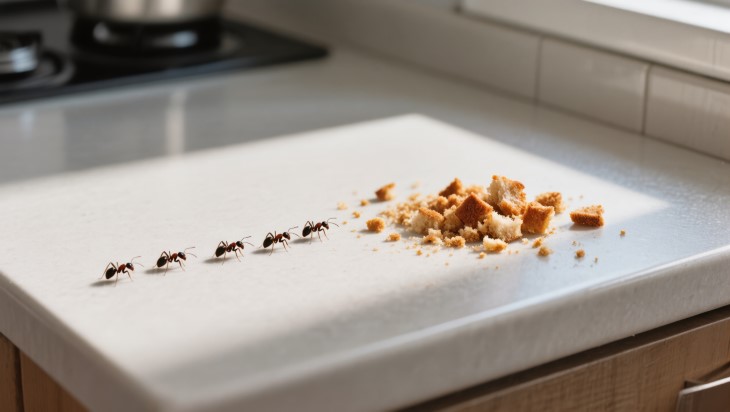
The single biggest reason ants come indoors is the simplest one: food they can reach. Ants have an extraordinary sense of smell, with more than 400 odor receptors, so even a few crumbs under the toaster or a splash of juice that dried on the floor is easy for them to find. Kitchens are by far the most common trouble spot, accounting for the majority of household ant activity. Wiping counters, sweeping under appliances, and mopping eating areas regularly removes both the food and the scent that draws them.
Most ants have a serious sweet tooth, because sugar is pure energy for the colony. A ring of dried soda on the counter, a smear of honey near the jar lid, or a sticky spot of jam is an open invitation. Syrup, melted ice cream, and anything else that would leave your fingers sticky are especially appealing. Wiping down jars and bottles before putting them away, and cleaning sticky spills right away with a little soap, makes a real difference. Plain water often leaves the scent behind, so the soap is worth the extra step.
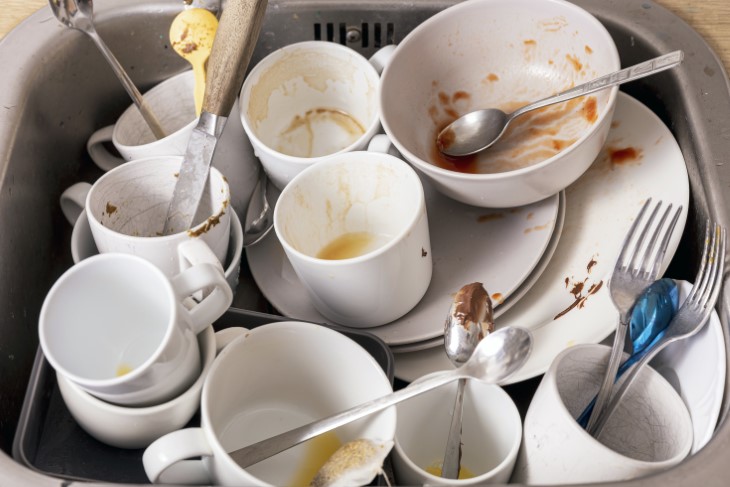
A stack of unwashed plates offers ants everything they want in one place: food residue and a bit of moisture. Even rinsed dishes left overnight can carry enough of a scent to bring a scout in for a closer look. Washing dishes soon after meals, or at least rinsing them well rather than letting them sit for days, closes off one of the easiest food sources in the house.
Bags of sugar, flour, cereal, cookies, and crackers in their original packaging are simple for ants to get into. Thin cardboard and a folded over bag are no barrier at all. Moving dry goods into airtight containers with tight lids keeps ants out, and it has the happy bonus of keeping the food fresher for longer.
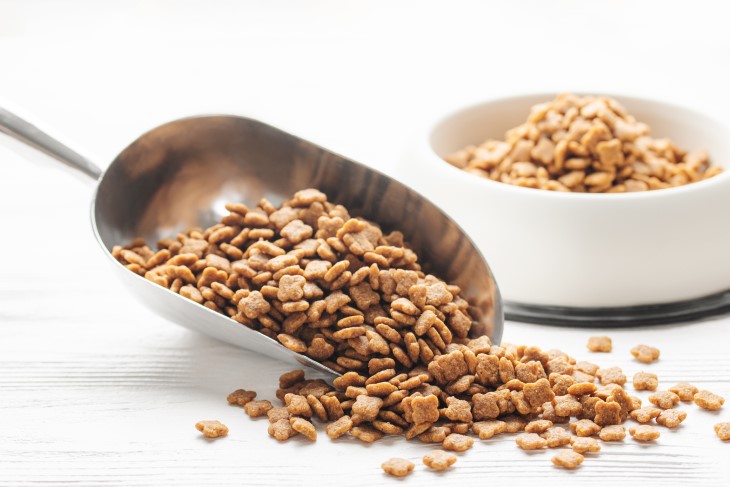
Pet food is one of the most overlooked attractants in the whole house. A bowl of kibble sitting out all day, or a few pieces scattered on the floor, is just as appealing to ants as it is to your dog or cat. The water bowl matters too, since ants need moisture as much as food. Putting food down only at mealtimes, sweeping up stray pieces, and wiping the area around the bowls goes a long way toward keeping ants away.
A trash can full of food scraps is a feast waiting to happen, especially if it lacks a tight lid. Sugary wrappers, fruit peels, and leftover scraps all give off strong smells that ants track with ease. Using a bin with a closing lid, emptying it regularly, and giving it an occasional rinse keeps the odors down. It also helps to wrap especially smelly scraps before tossing them.
Ants need water to survive, so a home that offers easy moisture is appealing even when food is scarce. A dripping faucet, a slow leak under the sink, condensation, or a damp bath mat can all sustain a colony. This is a big reason kitchens and bathrooms tend to see the most activity. Fixing leaks promptly, drying wet areas, and improving ventilation in humid rooms takes away a resource ants depend on.
Soda cans, juice bottles, jam jars, and other containers tossed into the recycling bin still carry sweet and sticky residue. A bin of unrinsed containers sitting in the kitchen or garage can draw ants just like an open trash can. A quick rinse before recycling removes the residue and the smell along with it.
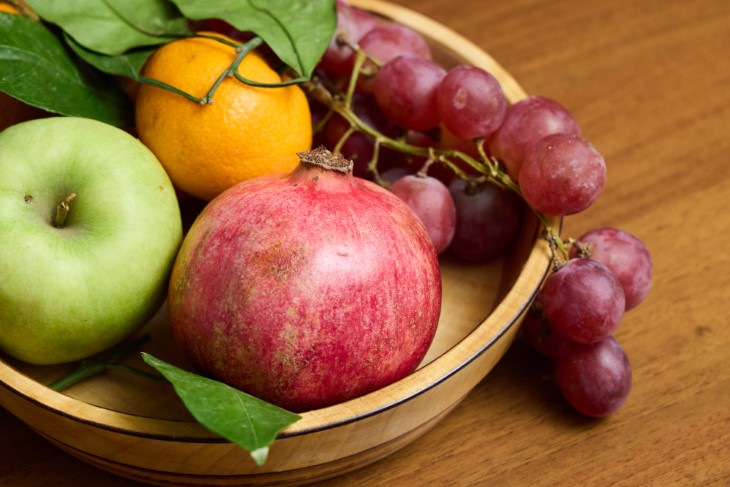
A bowl of fruit on the counter looks lovely, but as bananas, apples, and peaches ripen they give off sweet aromas that ants find hard to resist. Overripe or bruised fruit is even more tempting. Keeping fruit in the refrigerator, or simply eating it before it turns overripe, removes the temptation.
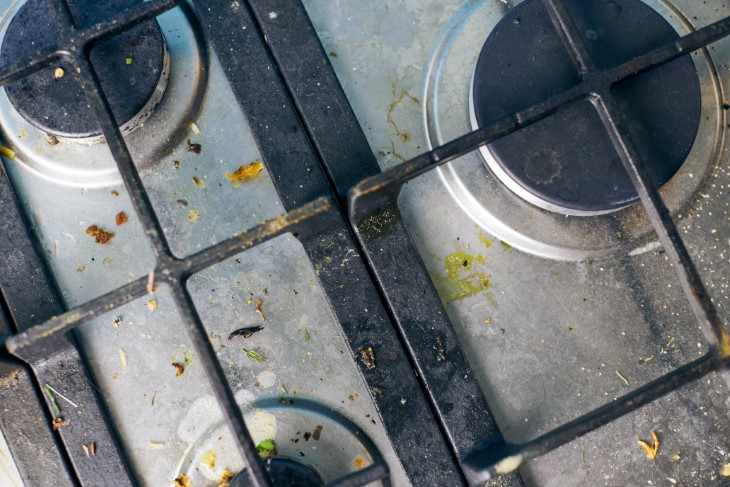
Many ants are drawn to fats and oils just as much as to sugar, especially when the colony is raising young. Splatters behind the stove, a greasy range hood, or oily residue on the backsplash can all attract protein seeking ants. Wiping down cooking surfaces and occasionally cleaning the harder to reach spots behind and beside the stove removes this less obvious food source.
Ant trouble is not limited to the kitchen. Snacking in the living room, eating in bed, or letting children carry food around leaves crumbs in couch cushions, under beds, and in play areas. Food left in a car parked near the house can draw them too. Vacuuming these spots now and then, and keeping eating to one or two rooms, cuts off food sources people rarely think to check.
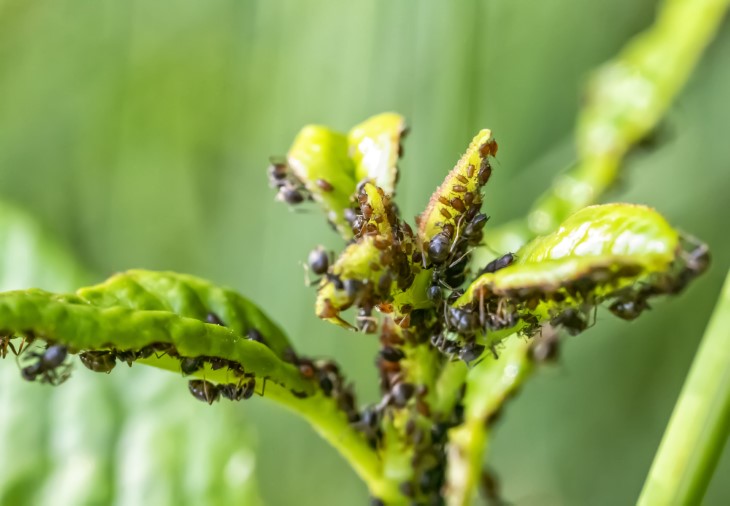
Indoor plants can attract ants in two ways. The damp soil of a potted plant offers a handy source of moisture, and plants that harbor tiny insects called aphids are more appealing still. Aphids produce a sweet substance called honeydew that ants love, and ants will actually tend and protect aphids to keep the supply flowing. Checking new plants before bringing them indoors, and dealing with any aphid problems, helps keep this quiet attractant in check.
This one surprises a lot of people. Ants are drawn to sweet fragrances, so scented candles, sweet smelling laundry detergent, and some personal care products can catch their attention. They cannot eat any of these items, but a scout drawn in by the smell may well stumble onto a real food source while exploring. It is not a reason to give up scented products, just something to keep in mind if ants keep turning up near where they are stored.
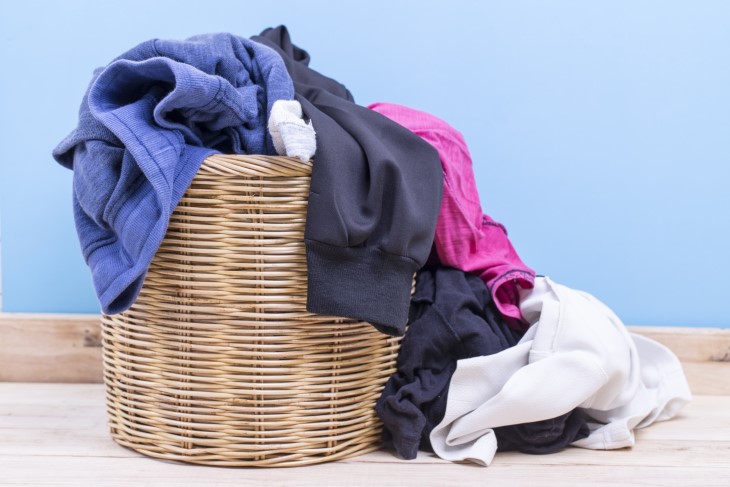
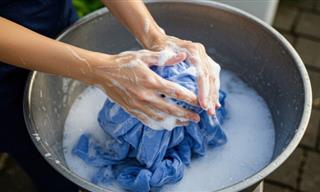
Here is one almost nobody expects. A pile of worn clothing can attract ants because sweat leaves behind salt and moisture, and some ants actively seek out salt, particularly when other food is scarce. It is not a common cause, but if ants are appearing near a laundry hamper, this may be the reason. Keeping dirty laundry in a closed hamper and washing it regularly takes away the appeal.
Ants usually nest outdoors and travel in, so anything that bridges the gap between their nest and your walls makes their journey easier. Tree branches and shrubs touching the house act like ramps, while firewood, heavy mulch, and leaf piles against the foundation give ants a sheltered, damp place to nest right next to your home. Trimming plants back, storing firewood away from the house and up off the ground, and keeping mulch a little away from the foundation all make the home harder for them to reach.