
Every baker knows the moment. You are halfway through a recipe, flour on your hands and the oven already warming, when you reach for an ingredient and find the tub empty. You were sure you had buttermilk. You always have eggs. Not today. The cake for tomorrow's visit suddenly hangs in the balance.
Before you pull off your apron and dash to the shop, take a breath. A great many baking ingredients can be swapped for something else you almost certainly have on hand, often with results just as good. Here is a practical guide to the substitutions worth knowing, with the exact amounts to use. You may want to keep it somewhere handy in the kitchen.
Baking is different from cooking. A soup or a stew forgives almost any swap, but baking is really chemistry, a careful balance of flour, fat, liquid, acid, and the ingredients that make things rise. That is why these substitutions come with amounts rather than a casual "add a bit."
Two sensible rules follow from this. Swapping one ingredient usually works beautifully, but changing two or three at once starts to compound, and the result grows unpredictable, so if you are short of several things, it is wiser to find a recipe built around what you do have. And accept that a substitute may give a slightly different texture or flavor. Usually it is barely noticeable, and now and then you may even prefer it.
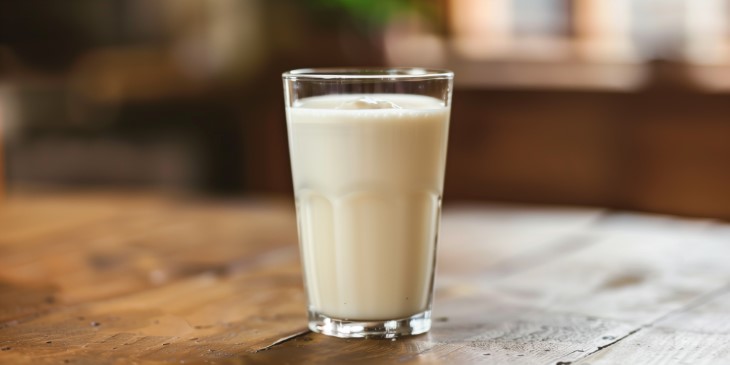
One of the easiest and most useful of all, and few of us keep buttermilk on hand.

Eggs do several jobs at once, binding, adding moisture, and giving structure, so they are among the trickier things to replace. These swaps each stand in for one egg and work well in many cakes, muffins, and quick breads, though not in recipes where eggs are the main event, such as a sponge or meringue.
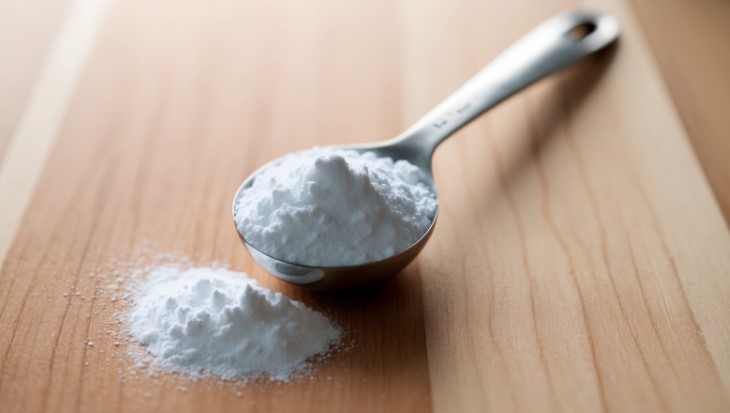
These are the ingredients that make your baking rise, and here accuracy really matters, because they are not the same thing and cannot simply be swapped one for one.
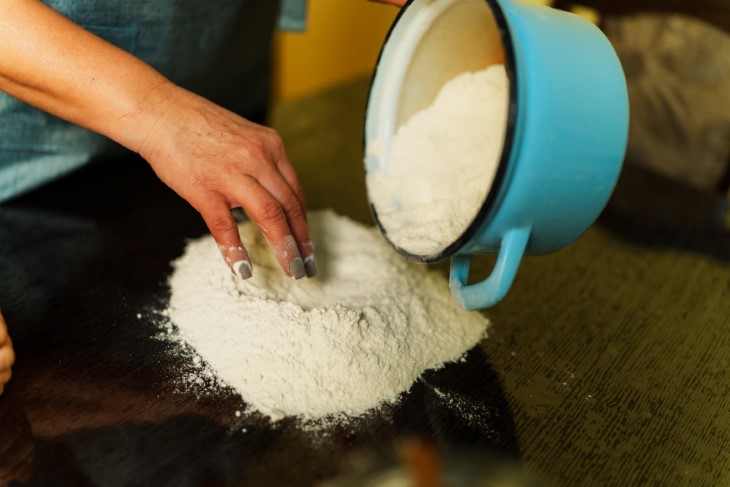
No need to buy a special bag. For 1 cup of self-rising flour, whisk together 1 cup of all-purpose flour, 1 and 1/2 teaspoons of baking powder, and 1/4 teaspoon of salt.
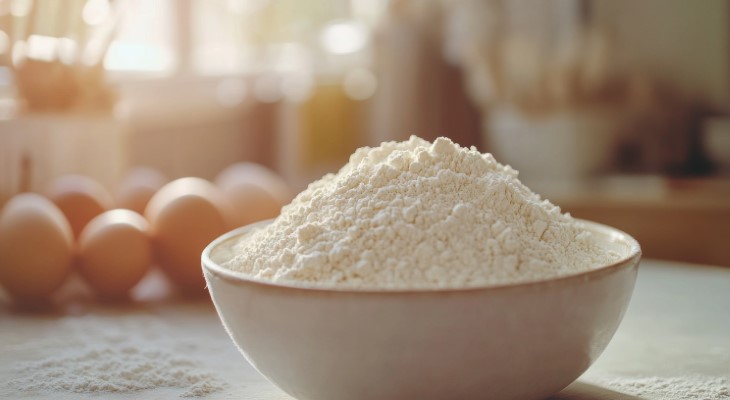
Cake flour makes especially tender, delicate cakes because it contains less of the protein that toughens crumb. To imitate it, measure 1 cup of all-purpose flour, remove 2 tablespoons of it, and replace those 2 tablespoons with cornstarch. Whisk thoroughly, and sift it before using so it is evenly light.
Bread flour gives a chewier texture, but if you are out of it, plain all-purpose flour will do the job cup for cup with no fuss. The bread may be a touch less chewy, but it will bake up perfectly well.
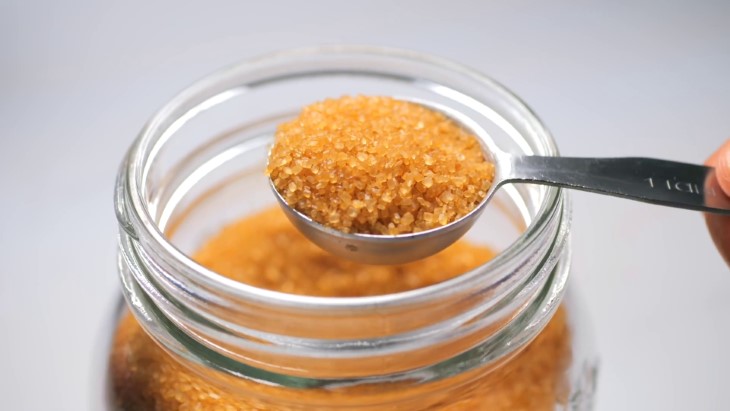
That familiar caramel warmth comes from molasses, and you can recreate brown sugar in a moment.
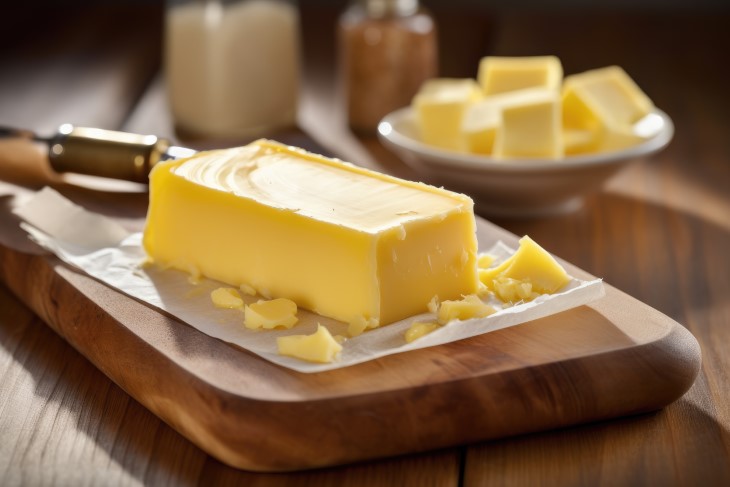
Butter brings flavor, fat, and tenderness, and there are a few reasonable stand-ins for 1 cup of it.
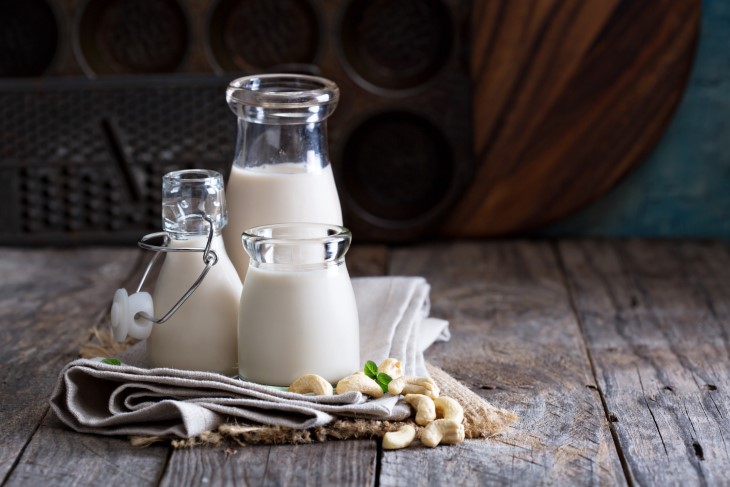
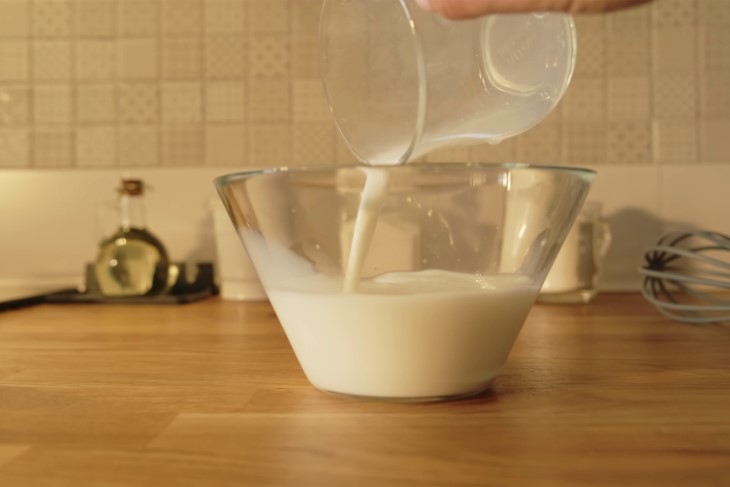
For 1 cup of heavy cream in most baking, melt 1/4 cup of butter and whisk it into 3/4 cup of milk. Do note this stand-in will not whip up into whipped cream, but it works nicely where cream is being baked or stirred in.

Honesty helps here, because a few ingredients are doing a structural job that a substitute cannot truly replace. Yeast is the clearest example: baking powder will make a quick bread rise, but it cannot give you the flavor and chew of a proper yeast loaf. In delicate recipes that lean entirely on eggs, such as a meringue or an airy sponge, egg substitutes will disappoint. And the buttery layers of puff pastry depend on real butter to create their flakiness. When an ingredient is the very backbone of a recipe, the wiser move is to bake something else and save that recipe for another day.