
When we prepare for a flight, most of us think about our passport, our suitcase, and whether we have left enough time to get through security. Our health often receives less attention, especially if we have flown many times without a problem. Yet several hours in a cramped seat can be uncomfortable, and certain medical conditions deserve a little extra planning.
This does not mean that getting older should put an end to your travel plans. Most people can fly safely, and serious complications are uncommon. The key is to understand which precautions apply to you. From blood clots and aching joints to medication schedules and compression stockings, here are 10 things worth considering before your next flight.
1. Sitting still can increase the risk of a blood clot
A long flight gives us a good excuse to watch a movie or finish a book, but our legs need an occasional change of pace. Prolonged immobility slows blood flow through the leg veins and can contribute to deep vein thrombosis, or DVT. This is a clot in a deep vein, usually in the leg. If part of it breaks away and reaches the lungs, it can cause a potentially life-threatening pulmonary embolism.
The overall risk is small, but it becomes more relevant on trips lasting over four hours. Older age, a previous clot, recent surgery or injury, active cancer, limited mobility, obesity, estrogen-containing hormone therapy, and inherited clotting disorders increase the risk. Several factors together deserve particular attention. This is also a concern during long car, bus, and train trips, so remember to count the hours spent getting to and from the airport, as well as the time you sit and wait for boarding and before the plane takes off.
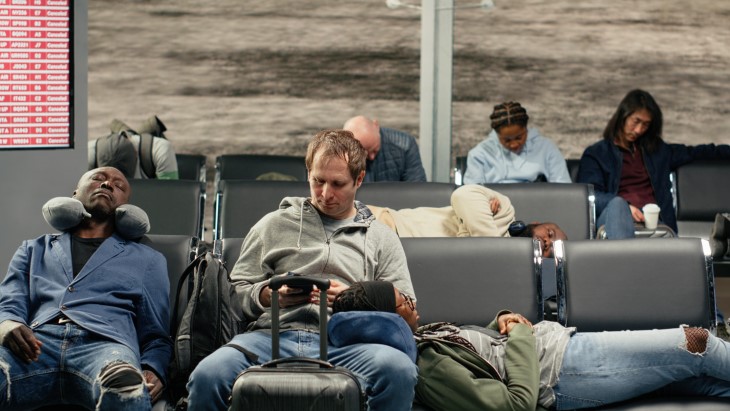
If you have a history of clots, discuss your travel plans with your doctor before departure. A prevention plan should reflect your health and the length of your trip.
2. Small movements are worth making
You do not need an exercise routine worthy of a gym to give your legs some activity. When it is safe and the seat belt sign is off, aim to get up and walk every one to two hours. An aisle seat can make this easier, particularly if climbing past other passengers is difficult.
While seated, raise your heels with your toes on the floor, then raise your toes with your heels down. You can also gently tighten and release your calf muscles. Repeat these movements periodically rather than remaining completely still for hours. Keep them comfortable, and follow any restrictions you have been given after an injury or operation.
Do not start taking aspirin solely to prevent a flight-related clot. If you already take aspirin or an anticoagulant for a medical condition, keep to your prescribed plan unless your clinician changes it. Some higher-risk travelers need additional measures, but choosing a medicine or taking an extra dose yourself can cause harm.
3. Compression stockings can help, but fit matters
Compression stockings are designed to support blood flow in the legs, with graduated pressure that is greatest around the ankle. Research shows that they reduce symptomless DVT on long flights and can reduce swelling. However, the studies do not establish that they prevent every serious clotting complication, and they are not automatically necessary for every healthy passenger.

Ordinary tight leggings or shapewear should not be assumed to provide the same protection. If stockings are appropriate for you, ask a healthcare professional about the correct size, length, and compression strength. Stronger is not automatically better.
Keep the material smooth and do not roll down the tops, which can create a tight band. Stockings should not cause pain. People with significant peripheral arterial disease, which reduces blood supply to the legs, need specialist advice before using compression. If you have reduced sensation, fragile skin, or existing leg wounds, have their suitability checked rather than buying a pair at the airport.
4. Cramped seating can aggravate stiff joints and aching muscles
A sore back or stiff knee may not be dangerous, but it can make the first day of a vacation miserable. Staying in one position for a long time can worsen stiffness, especially if you already have arthritis. Travel stress and the effort of handling luggage can add to the discomfort.
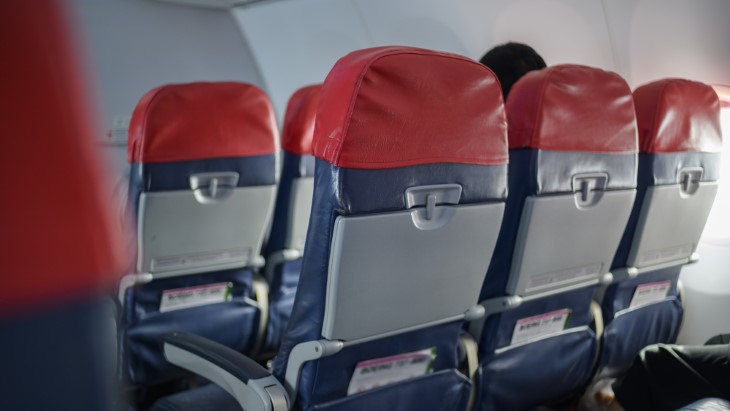
Choose a seat that gives you enough room to change position when possible. A small back-support cushion may help, and gentle seated stretches can be useful when walking is not practical. Avoid forcing a painful joint through a movement simply because you have read that stretching is good for you.
Think about the airport as well as the flight. Arrange assistance if long walks or standing in lines are difficult, and seek help with overhead luggage rather than struggling to lift it. Keep your usual prescribed medicines accessible. Planning around your limitations can leave you with more energy for the things you actually want to do when you arrive.
5. Lower cabin oxygen can matter if you have heart or lung disease
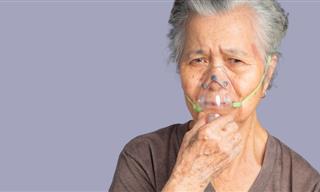
Airplane cabins are pressurized, but they are not usually kept at sea-level pressure. The lower pressure means less oxygen is available with each breath. Healthy passengers generally tolerate this well, while people with heart or lung disease or significant anemia may have more difficulty.
If you have COPD, heart failure, or another condition that affects breathing or circulation, ask whether you need an assessment before flying. Some passengers require supplemental oxygen during the flight even if they do not normally use it at home. This must be arranged with the airline in advance, including any requirements for an approved portable oxygen concentrator and batteries.
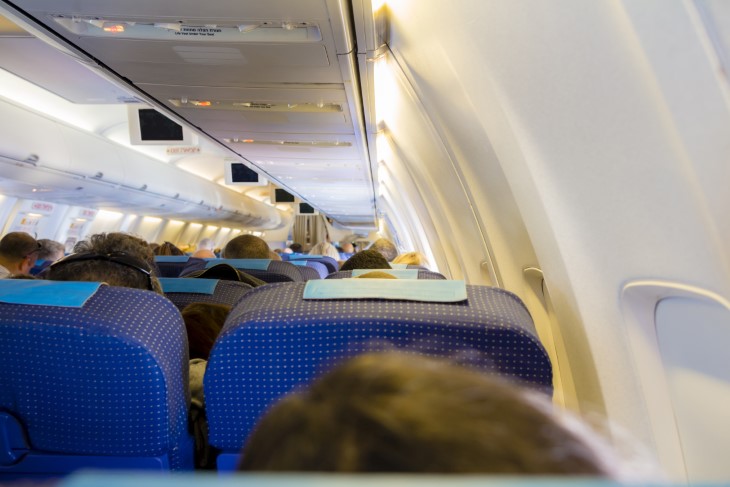
A recent heart attack, worsening heart failure, or unstable chest pain calls for advice from your treating clinician about whether and when to fly. Do not assume that being discharged from the hospital automatically means you are ready for an overseas trip.
6. Water is sensible, but it is not a substitute for movement
It is easy to drink less than usual while traveling, particularly if you want to avoid repeated trips to the restroom. Keep water accessible and drink regularly according to your usual needs. However, the often-repeated claim that drinking extra water prevents flight-related blood clots goes beyond the evidence. Hydration does not replace movement or a prevention plan recommended by your doctor.
Advice to drink more also needs to account for your medical history. If you have been prescribed a fluid restriction, follow it rather than forcing down extra bottles of water. People receiving dialysis should plan their treatment, diet, and fluid intake before traveling.
Alcohol is best kept modest. It can encourage you to remain asleep and still for longer, and it may interact with medication. A flight is not a good time to test how your body responds to an unfamiliar combination.
7. Diabetes and medication schedules need advance planning
A delayed meal or a change of time zone may seem like a small inconvenience, but it can complicate diabetes management. Changes in food, activity, and medication timing can affect blood glucose, so ask your diabetes care team how to handle your flight schedule before leaving.
Keep your medicines, glucose-monitoring supplies, and a fast-acting treatment for low blood sugar in your carry-on bag, where you can reach them. Bring suitable snacks rather than relying entirely on the airline's meal service. Insulin should not go in checked luggage, where temperature extremes can damage it, and it should not sit directly against ice.
Check your glucose as advised and allow for the possibility of delays. Phone reminders can help you keep track of doses when your normal routine disappears. The same principle applies to other time-sensitive treatments: get a clear schedule instead of guessing whether a dose should follow the time at home or at your destination.
8. Sleeping pills can create problems of their own
The thought of sleeping through a long flight is certainly appealing. However, a sleeping tablet or sedating allergy medicine is not a harmless travel accessory, especially for an older adult who already takes several medicines. Drug combinations can increase drowsiness and slow reactions, and sleep medication use is associated with a greater risk of falls in older adults.
That matters when you need to stand up in a dim cabin or walk to a small restroom. Avoid borrowing someone else's medicine, taking an extra dose, or combining a sedative with alcohol. Ask a doctor or pharmacist whether your usual medication is suitable for the flight.
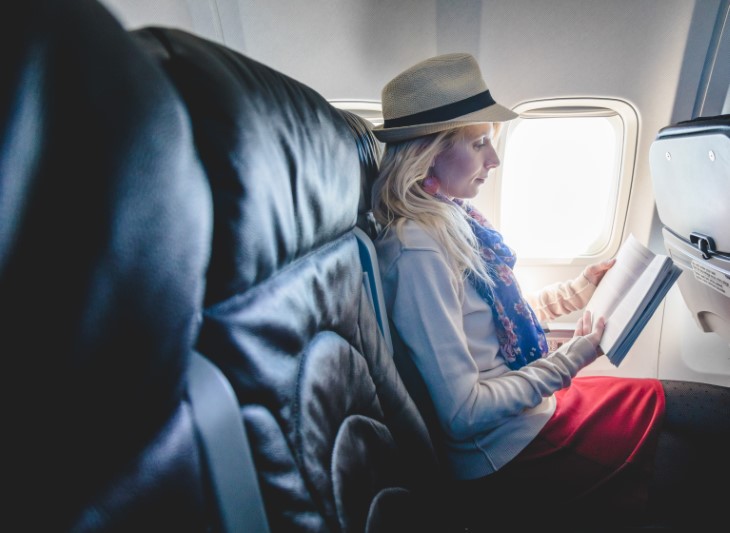
An eye mask, a comfortable resting position, and quieter surroundings may be enough to help you rest. If sleep medication is prescribed, follow the instructions rather than treating the flight as an opportunity to experiment.
9. Pressure changes can cause more than popping ears
That blocked-ear feeling during landing happens when pressure in the middle ear does not equalize with the cabin. Swallowing, yawning, or chewing gum may help. A heavy cold or ear infection can make the problem worse, and postponing a flight may be worth discussing if congestion is severe.
Do not automatically reach for a decongestant. Some are unsuitable for people with high blood pressure, heart disease, or heart rhythm problems. Check with a pharmacist or doctor before using one, particularly if you already take daily medication.
Recent surgery also deserves attention because pressure changes can affect trapped gas. This is especially relevant after certain abdominal, chest, or eye procedures. If an eye operation involved a gas bubble, you need explicit clearance from the ophthalmologist before flying. The fact that you feel comfortable does not tell you whether the gas has disappeared.
10. Know which symptoms should never wait
Do not dismiss new swelling, warmth, redness, or unexplained pain in one leg as an ordinary consequence of sitting. These can be signs of DVT and need prompt medical assessment. You cannot reliably distinguish a clot from a muscle problem by how it feels.
Sudden unexplained shortness of breath, chest pain, coughing up blood, or fainting can signal a pulmonary embolism or another emergency. Alert the cabin crew immediately if you are in the air. After landing, call emergency services rather than waiting for a routine appointment.
Stay alert after the trip as well. Most travel-associated clots occur within the first one to two weeks after a flight, rather than necessarily announcing themselves before the aircraft lands. Tell the clinician about your recent travel.
Finally, make your preparations personal. A list of your medicines, an agreed plan for existing health conditions, and assistance booked in advance can be as valuable as anything in your suitcase. A little preparation helps you spend less of your trip dealing with preventable discomfort and more of it enjoying the reason you booked the ticket.