

A salmon fillet and a steak may occupy the same spot on your dinner plate, but they bring different nutritional strengths to the meal. Both provide valuable protein, yet one offers more iron while the other supplies far more of the omega-3 fats associated with heart health.
If you are watching your blood sugar or trying to improve your iron intake, those differences matter. So do the cut of beef, the type of salmon, the portion size, and everything served alongside them. Here is how to weigh the benefits without expecting either food to do more than it can.
Salmon and beef both provide complete protein, meaning they contain all nine essential amino acids your body needs to obtain from food. Protein helps maintain muscles and repair tissues, making it an important part of a balanced diet throughout adulthood.

A typical 3 ounce cooked serving of either food supplies roughly 20 to 25 grams of protein, although the exact amount varies. Both also provide vitamin B12, which supports healthy red blood cells and the nervous system.
Their most useful differences lie in the other nutrients that come with that protein.
| Nutritional feature | Beef | Salmon |
|---|---|---|
| Protein | A substantial source of complete protein | A substantial source of complete protein |
| Iron | Generally provides considerably more | Provides smaller amounts |
| Omega-3 fats | Much smaller amounts | A rich source of EPA and DHA |
| Saturated fat | Varies widely; fatty cuts and fattier ground beef contain more | Generally lower than fatty beef |
| Vitamin B12 | A good source | A good source |
| Calories | Depend on the cut, fat content, and preparation | Depend on the species, fat content, and preparation |
Iron helps your body make hemoglobin, the protein in red blood cells that carries oxygen. Beef generally contains substantially more iron than salmon, making it the stronger choice when comparing these two foods specifically for iron intake.
Some of that iron is heme iron, a form the body generally absorbs more readily than the nonheme iron found in plant foods. Salmon also contains heme iron, but in smaller amounts overall.
You can make an iron-containing meal more useful by adding foods with vitamin C, such as bell peppers, tomatoes, or broccoli. Vitamin C improves the absorption of nonheme iron from foods such as beans and lentils eaten with the meal.
If you have diagnosed iron deficiency, food choices are only part of the response. Your doctor may recommend supplements and tests to establish the cause. In adults, particularly men and women who no longer menstruate, unexplained iron deficiency should be investigated rather than treated simply by eating more steak.
Salmon is rich in EPA and DHA, two omega-3 fatty acids found in fatty fish. It generally provides more unsaturated fat and less saturated fat than fatty beef, making it a useful choice when you are trying to support heart health.
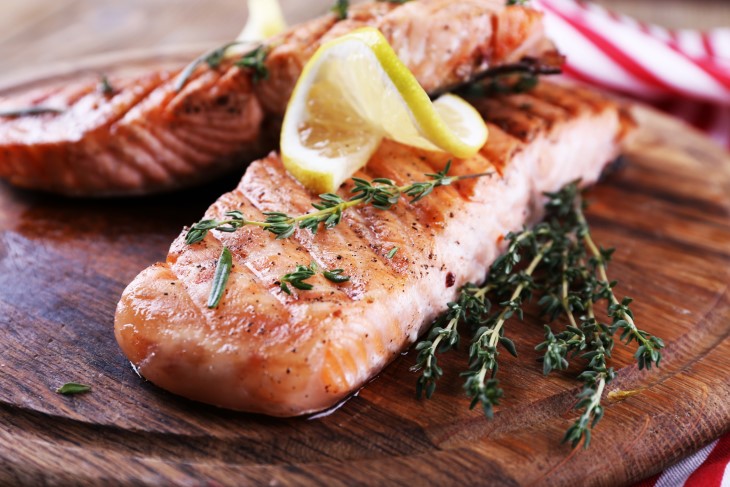
This matters for people with diabetes, whose care includes protecting the heart as well as managing blood sugar. The American Heart Association recommends two servings of fish each week, particularly fatty fish such as salmon. The American Diabetes Association also encourages regularly including fish in meals.
However, a comparison between salmon and beef depends on which beef you choose. A lean cut or very lean ground beef has a different fat profile from a heavily marbled steak or an 80% lean burger. Salmon’s calories and fat content also vary by species and whether it is wild or farmed.
Salmon can fit well into a meal plan for diabetes, but describing it as a food that reliably lowers blood sugar goes further than the evidence supports.

Some studies have reported metabolic benefits from fatty fish or omega-3 intake. Others have found little improvement. A large review of randomized trials, most of which tested omega-3 supplements, found little or no effect on diabetes prevention or measures of blood sugar control.
Supplements and whole fish are different, so those findings do not settle every question about eating salmon. They do show why its omega-3 content alone is not enough to promise better insulin sensitivity or lower blood sugar.
Plain salmon and beef both contain little or no carbohydrate. Their effects within a meal depend on the serving size, cooking method, accompanying foods, and the individual’s response. Salmon remains a valuable protein choice, but it should be viewed as one part of a broader eating pattern.
Beef’s iron content is a benefit, but it does not mean that more beef is always better.
A 2024 analysis involving almost two million adults found that regularly eating 100 grams of unprocessed red meat a day, roughly 3.5 ounces, was associated with a 10% higher relative risk of developing type 2 diabetes. Eating 50 grams of processed meat daily was associated with a 15% higher relative risk.
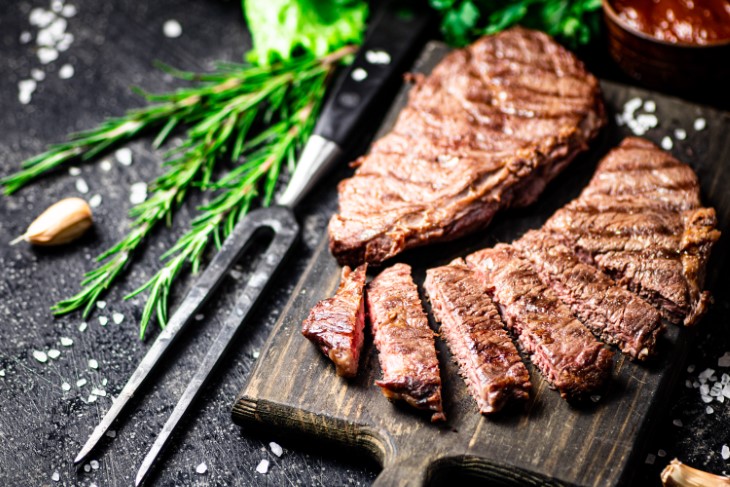
These were associations, not proof that a particular serving caused diabetes. A 10% higher relative risk also does not mean that a person’s chance of developing diabetes rises by 10 percentage points.
The findings support varying your protein sources and limiting red and processed meat. An occasional serving of lean beef has a different place in an eating pattern from relying on large portions of red meat, bacon, or sausages every day.
Whether you choose salmon or beef, consider how the whole meal comes together. A sugary glaze, a large portion of fries, and a sweetened drink can change its nutritional balance considerably.
For a practical starting point, the Diabetes Plate method suggests filling half your plate with nonstarchy vegetables, one quarter with protein, and one quarter with carbohydrate foods. The carbohydrate portion can include foods such as whole grains, beans, or potatoes, with the amount adjusted to your needs.
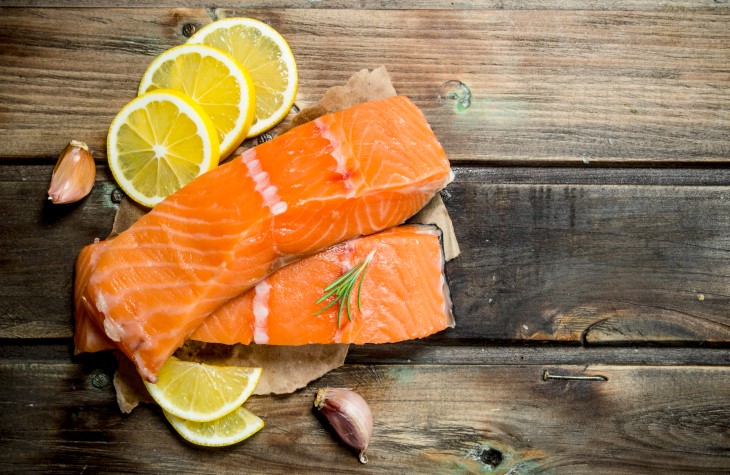
For example, try baked salmon with green beans and a modest serving of brown rice. For a beef meal, serve a smaller portion of lean steak with roasted broccoli and lentils. Beans and lentils provide carbohydrate as well as fiber and protein, so include them when considering the meal’s carbohydrate content.
Baking, broiling, poaching, or grilling with modest amounts of added fat can help keep either option balanced. Lemon, herbs, garlic, and spices offer plenty of flavor without requiring a heavy sauce.
If iron is your main concern, lean beef generally offers more than salmon. If you want more omega-3 fats and a protein that fits well into an eating pattern for heart health, salmon has the stronger advantage.
For blood sugar, focus on your overall meals, portions, and eating habits rather than expecting a single protein to control the numbers. Regularly include fish and plant proteins, and choose lean, unprocessed beef when you eat it. That gives you room to enjoy both foods while making use of their different strengths.