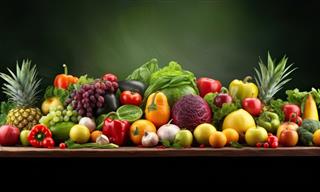

We are all told to eat more fruits and vegetables – and rightly so. They are one of the cornerstones of a healthy, balanced diet at any age. But every so often, news of a food poisoning outbreak linked to lettuce, berries, or melons makes us pause and wonder: is my salad actually safe to eat?
The good news is a reassuring yes. There is no need to give up fresh produce. With a few simple habits, you can keep enjoying your favorite fruits and vegetables while lowering your risk of ever getting sick. Here is what you need to know about the most common culprits – and how to handle each one safely.
Leafy greens like lettuce and spinach are among the most common sources of food poisoning, and the reason is simple: we usually eat them raw, so there is no cooking step to kill off any harmful germs. Contamination can happen anywhere along the way – from unclean water in the soil to dirty processing equipment.
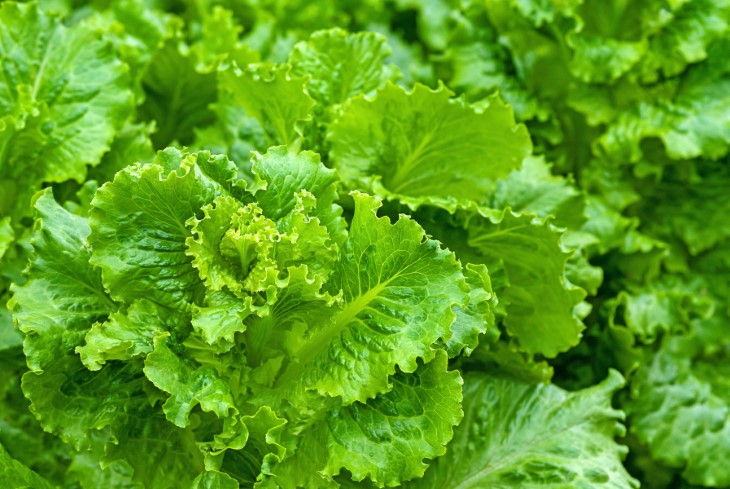
To stay on the safe side:
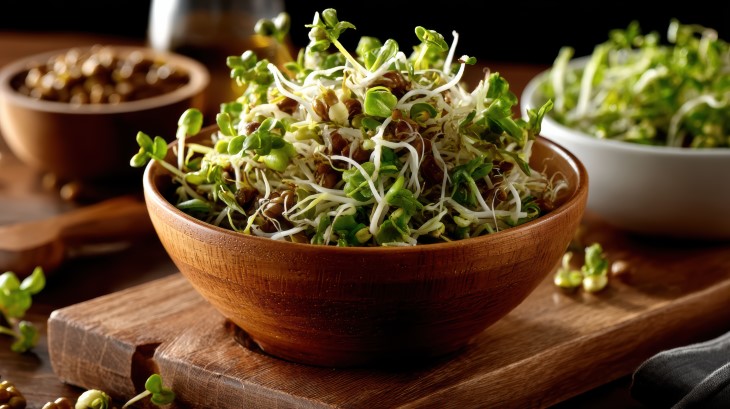
Raw sprouts – such as alfalfa, mung bean, clover, and sunflower – are one of the riskiest items in the salad bowl. Sprouts are grown in warm, moist conditions, which unfortunately are also the perfect breeding ground for bacteria like Salmonella and E. coli.
The simplest solution is to cook your sprouts, which kills off harmful germs while still letting you enjoy them. Health authorities also advise that pregnant women avoid raw sprouts altogether, since they are especially vulnerable to these bacteria.
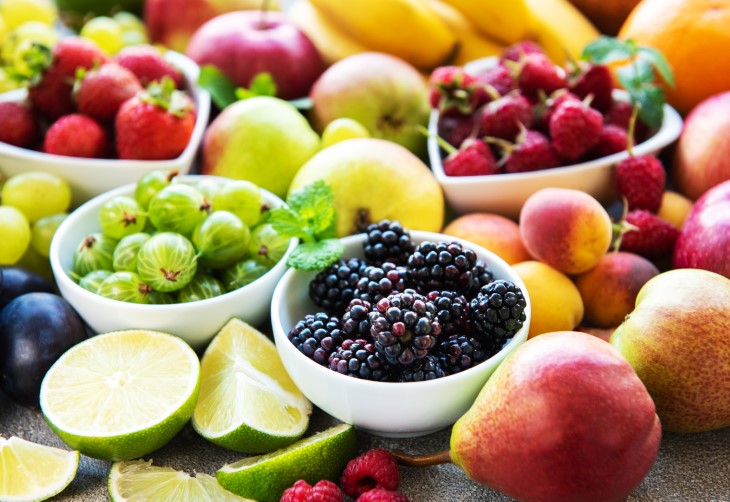
Fresh fruit deserves a little care, too. Berries such as strawberries, raspberries, and blueberries can carry viruses and bacteria, often the result of poor hygiene during picking and packing.
Melons like cantaloupe, watermelon, and honeydew carry a particular risk. Bacteria can live on the rough outer rind and then spread to the sweet flesh inside the moment you slice through it. A good scrub makes all the difference.
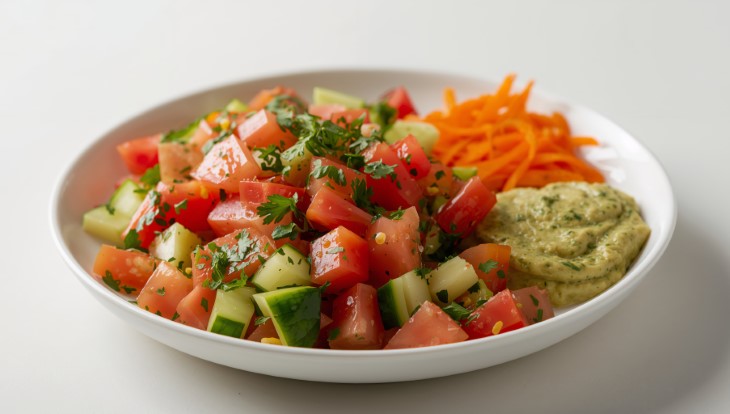
If you'd like a break from lettuce, there are plenty of delicious salads that skip the leafy greens entirely and are naturally lower-risk. Hearty bean and grain salads are filling, keep well, and are perfect for making ahead. A few tasty options to try:
This article is for general information only and is not a substitute for medical advice. If you experience symptoms of food poisoning that are severe or do not improve, please contact your doctor.