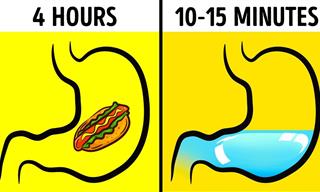

Feeling hungry all the time is one of the most common complaints from people trying to lose a few pounds. It makes a certain amount of sense. Eating in a calorie deficit means giving your body less energy than it is used to receiving, so it seems only natural that your stomach would start sending complaints upstairs.
Here is the good news: constant hunger does not have to be the price of weight loss. Dietitians point out that a few strategic changes to what you eat, and how you put a meal together, can leave you feeling far more satisfied without abandoning your goals. The most sustainable approaches to weight loss, they say, focus on building a manageable daily deficit while making fullness easier to achieve, rather than relying on sheer willpower to push through a growling stomach day after day.
Below are the adjustments nutrition experts recommend most often.
Aim for a moderate deficit, not a drastic one

It is understandable to assume that eating far less will get you results far faster. In practice, cutting calories too aggressively often backfires. It can leave you so hungry that sticking with the plan becomes nearly impossible.
Dietitians explain that the body naturally resists severe restriction when the calories coming in are not enough to support basic functions such as breathing, circulation, and temperature regulation. When intake drops too low, the body responds by turning up hunger signals and turning down the signals that tell you that you have had enough. In other words, extreme dieting makes you hungrier by design.
That is why most experts recommend a gentler pace. Losing roughly one to two pounds per week is generally considered a reasonable target for most people. A moderate deficit helps you stay energized, feel more satisfied after meals, and keep healthy habits going for months rather than days.
This matters even more after 50. Very low calorie intakes make it harder to get enough protein, calcium, vitamin B12, and other nutrients that become increasingly important with age, and they can accelerate the loss of muscle mass that already tends to happen over time.
Fill your plate with foods that add volume
If you are hungry between meals, the answer may have less to do with eating less and more to do with what is on the plate in the first place.

Meals built around whole, minimally processed foods that are high in fiber and water are far easier to sustain, because these foods take up real space in the stomach while contributing relatively few calories. Your stomach has stretch receptors that help signal fullness, and bulky foods trigger them.
Good volume foods include:

A useful trick is to start lunch or dinner with a bowl of vegetable soup or a large salad. By the time you reach the main course, you are already partway to full.
Include a source of protein at every meal
Protein is the single most effective nutrient for keeping hunger in check. It slows digestion, so food leaves the stomach more gradually, and it increases the hormones that signal fullness to the brain.
Spreading protein throughout the day, rather than saving most of it for dinner, tends to work best. It curbs hunger, reduces the pull toward afternoon snacking, and helps preserve muscle while you are losing weight. That last point deserves emphasis for older adults, since muscle is what keeps you steady on your feet, strong on the stairs, and independent in your own home.
Reliable protein sources include:
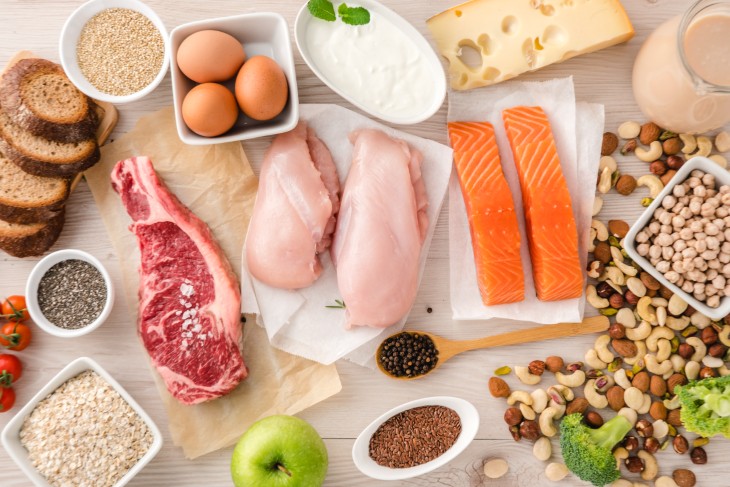
Small changes go a long way. Swapping regular yogurt for Greek yogurt at breakfast, stirring beans into a salad, or adding a hard boiled egg to an afternoon snack can change how the next few hours feel.
Build balanced meals with fiber and healthy fats
Protein gets most of the attention, but it works best with company. Meals that combine protein, fiber, and healthy fats are considered the most effective structure for reducing hunger after eating and stretching satisfaction further into the day.
Fiber adds bulk and slows digestion. Healthy fats add flavor, help you absorb certain vitamins, and contribute to the sense that a meal was genuinely satisfying rather than merely finished.

A well balanced plate might look like grilled salmon alongside quinoa and roasted vegetables, finished with a drizzle of olive oil. Compare that to a meal built on refined grains or something sweet, and the difference in how long you stay comfortable is usually obvious within an hour or two.
Thinking of every meal as a combination of those three elements is a simple mental checklist that requires no counting, no app, and no special products.
Don't be afraid of carbohydrates
Many people instinctively cut carbohydrates when they want to lose weight. Reducing highly processed carbs such as pastries, white bread, and sugary drinks can certainly help. Cutting carbohydrates drastically, however, is not necessary for everyone and can leave some people feeling unsatisfied after meals.
Dietitians warn that severe carbohydrate restriction has been linked to stronger hunger, intense cravings, episodes of overeating, and a persistent urge to snack. It is a difficult pattern to sustain.

It also throws out a great deal of good nutrition along the way. Fruits, vegetables, legumes, and whole grains are all carbohydrate foods, and they supply the fiber, vitamins, and minerals that support fullness and general health.
The more useful approach is to focus on quality rather than elimination. Choose fiber rich carbohydrates and pair them with protein and healthy fats, and you can feel satisfied while still moving toward your goal.
Give fullness a chance to catch up
The signals that tell your brain you have eaten enough take time to arrive. If you finish a meal and still feel hungry, wait 15 to 20 minutes before going back for more. Clear the table, take a short walk, or pour a glass of water in the meantime.

If real hunger is still there after that pause, eat something. Reach first for the foods that add volume without adding many calories, such as vegetables, fruit, or a cup of broth based soup. Often, simply having a little more of what you just ate is enough to settle the matter.
When it is time to eat a little more
Hunger is information, not a character flaw. There are signs that a deficit has become too aggressive and needs adjusting upward:
Any of these is a reasonable prompt to add food back rather than push harder. Slower weight loss that you can actually live with beats faster weight loss that collapses in three weeks.