
At the very bottom of the planet, in one of the coldest and driest places on Earth, grows a plant no bigger than a coin. It has small yellow flowers, forms soft green cushions that look almost like moss, and rarely rises more than two inches off the ground. Yet this modest little plant, known as the Antarctic pearlwort, has just handed scientists something remarkable: a genetic blueprint that may one day help our crops survive a warming, drying world.
The Antarctic pearlwort is one of only two flowering plants in the entire world that grow naturally in Antarctica. (The other is a hardy grass called Antarctic hair grass.) Everything else on that frozen continent is moss, lichen, or algae. That makes this tiny flower one of the toughest plants alive.
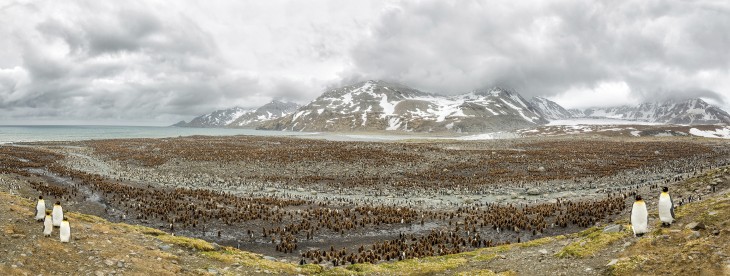
Think about what it has to endure. Temperatures plunge far below freezing. Liquid water is scarce for much of the year. And the sun, when it appears, brings punishing levels of ultraviolet radiation that would damage most plants. Somehow, the pearlwort not only survives all of this, it flowers and reproduces. Scientists have long treated it as a kind of natural laboratory, a living puzzle that might reveal the secrets of survival under extreme stress.
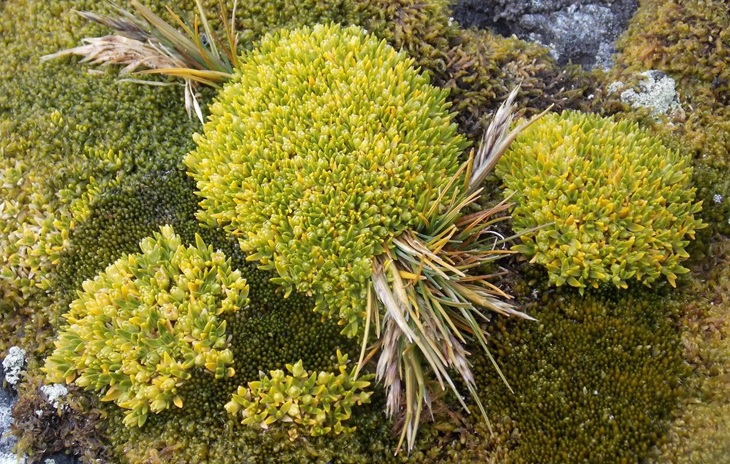
Now researchers have taken a giant step toward solving that puzzle. A team led by scientists in Chile has completed the first detailed map of the pearlwort's entire genome, organized all the way down to its individual chromosomes. The work was published in the scientific journal Genome Biology and Evolution and carried out under a project fittingly named Polarix.
The numbers are impressive. The plant's genome stretches across roughly 887 million "letters" of genetic code, arranged into 40 chromosome structures, with more than 40,000 genes identified. It's the first time anyone has assembled such a complete, high-resolution genetic map for any flowering plant native to Antarctica.
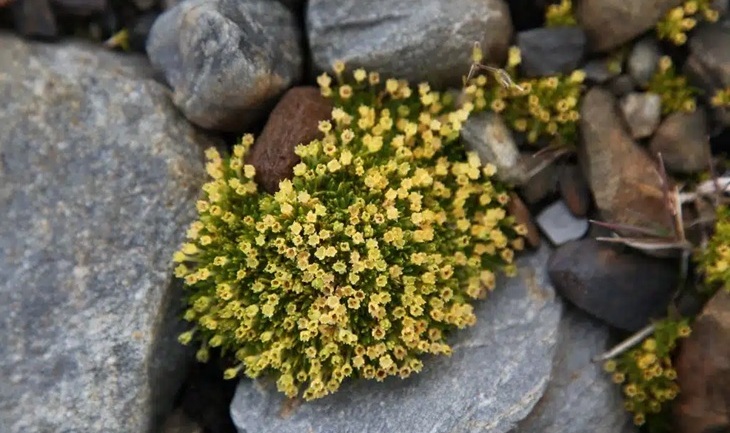
For the researchers, this is far more than a curiosity about a rare plant. It's a tool. With a full map in hand, they can now begin hunting, gene by gene, for the exact biological machinery that lets the pearlwort shrug off cold, drought, and radiation that would kill ordinary plants.
Part of the answer lies in a clever trick. Rather than simply toughing out the freeze, the pearlwort largely avoids it: it can keep the water inside its tissues liquid even below the normal freezing point, a phenomenon scientists call supercooling. It also protects itself against harsh sunlight and builds up natural antioxidants and sugars that shield its cells from damage. On top of that, tiny helpful microbes living inside the plant appear to lend a hand in coping with the cold.
These are precisely the kinds of survival strategies that farmers and scientists would love to understand better, because the pressures the pearlwort faces at the pole are starting to look familiar everywhere else.
Across the globe, agriculture is under growing strain. Droughts are longer, heat waves are more intense, and growing conditions are shifting in ways that threaten harvests. Crops that fed us reliably for generations are increasingly vulnerable.
That's where the pearlwort's genetic secrets come in. If scientists can pinpoint which genes allow it to withstand such brutal conditions, they may be able to use that knowledge to help important food crops become more resilient. The goal, the researchers stress, is not necessarily to create artificial "engineered" plants, but to explore ways of transferring useful, natural survival traits into the nutritious crops we already rely on.
Before anyone gets too excited, the scientists are careful to manage expectations. Discovering a helpful gene is only the beginning. The long road from that discovery to a hardier tomato or a more drought-resistant grain still lies ahead. The researchers estimate that practical, real-world applications could be perhaps five to ten years away.
Still, there's something quietly inspiring about it all. In an age of enormous laboratories and powerful technology, one of our best hopes for protecting the world's food supply may come from a humble little flower, clinging to life at the edge of the ice, that simply refused to give up.