
It's Not Just What You Eat — It's When You Eat It
You've probably spent years thinking about what goes on your plate. But what if the clock on your wall matters just as much as the food on your fork? A growing field called chrononutrition suggests that the timing of your meals could have a surprisingly powerful effect on your health — from your weight and blood sugar to your heart and energy levels.
So What Exactly Is Chrononutrition?
Chrononutrition is the study of how when, how often, and how regularly you eat affects your body — specifically in relation to your internal biological clock. It's not about counting calories or cutting food groups. It's about syncing your meals with your body's natural 24-hour rhythm.
Your Body Has Its Own Clock — And It's Paying Attention
You've probably heard of the circadian rhythm in relation to sleep. But your body clock does far more than tell you when to rest. It also regulates your metabolism, hormone release, and digestion. Eating at times that align with this internal clock helps your body process nutrients more efficiently. Eating against it — think late-night snacking or irregular meal times — can throw the whole system off balance.
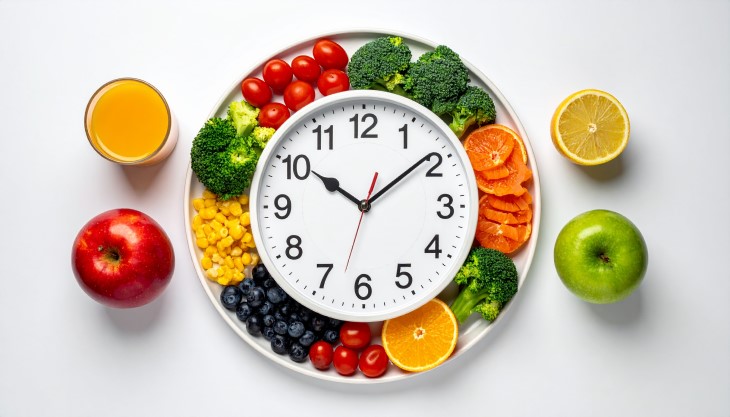
In fact, researchers have noted that the rise in conditions like obesity, high blood pressure, and type 2 diabetes has coincided with a widespread shift toward later meals and irregular eating patterns. That's not a coincidence.
Why Morning Eating May Be Your Secret Weapon
Here's something many people don't realize: your body is naturally better at processing carbohydrates in the morning than at night. Insulin sensitivity and glucose tolerance are higher earlier in the day, meaning the same meal can have a very different effect on your blood sugar depending on when you eat it. A small clinical trial found that eating at night raised glucose levels significantly more than eating the same food during the day.
The takeaway? Front-loading your calories — eating a bigger breakfast and a lighter dinner — may be one of the simplest, most underrated health strategies out there.
What Happens When You Eat Late at Night?
Late-night eating is where things can really go wrong. When you eat close to bedtime, your body's insulin sensitivity is lower, meaning it's less efficient at managing blood sugar. This can lead to increased fat storage and, over time, raise your risk of metabolic conditions. Your digestive organs also have their own internal clocks, and eating when they're winding down for the night can cause what researchers call "metabolic misalignment."
How to Put Chrononutrition Into Practice
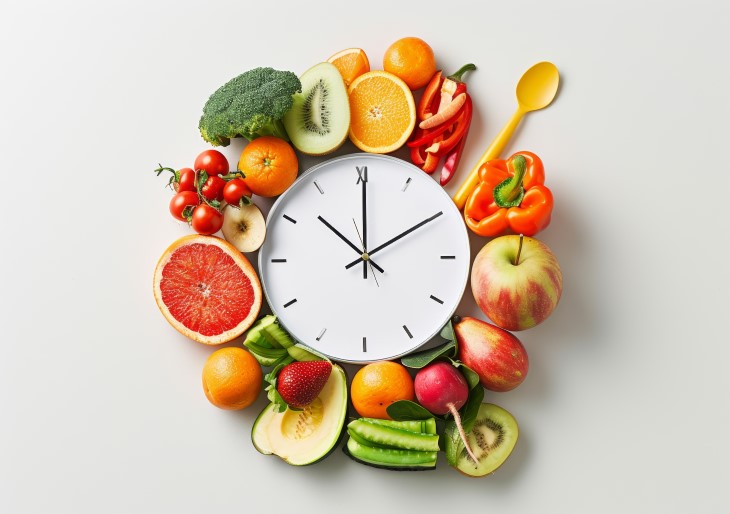
The good news is that you don't need to overhaul your entire life. A few simple shifts can make a real difference. Try to eat your meals at roughly the same time each day — consistency helps your body's internal clocks stay synchronized. Make your biggest meal earlier in the day when your metabolism is at its peak. And try to stop eating a few hours before you go to sleep. Some people also find it helpful to keep all their eating within an 8 to 10-hour window each day, though what works best varies from person to person.
Is It Right for Everyone?
Chrononutrition isn't a strict diet, and it's not a one-size-fits-all solution. It's more of a flexible framework that can complement whatever healthy habits you already have. If you have diabetes, metabolic syndrome, or any other health condition, it's worth speaking with your doctor before making significant changes to your eating schedule.
The research is still evolving, but the core message is simple and hard to argue with: your body has a rhythm, and working with it — rather than against it — just makes sense.
13:29
What Makes Sandwich Bread so Different than Bakery Bread?
The imminent differences between sandwich bread and bakery bread has an effect on your health.
Taking Ozempic? Here's What You Shouldn't Be Eating
Some choices can seriously amplify the drug's side effects - especially the digestive ones - while others can actively support your goals. Here's a practical guide to help you navigate your plate.
6:14
What (Non-Psychedelic) Mushrooms Can Do for Your Brain
Lion's mane mushrooms are memory-enhancing brain food! Learn the science behind them here.
4:02
This Diet Slows Down Hearing Loss
Certain diets can preserve and maintain good hearing while slowing hear loss.
12:00
In the Future, We Might Change Our DNA With Food
The diet of the future is nothing like you've ever tried or heard of before. It will be custom-made to edit your DNA. Would you eat it?
The Good Dietary Habits For a Healthy, Lean Body After 50
In this article, we'll provide you with some practical tips on good eating and drinking habits to acquire after 50 for a healthy, lean body.
The Complete Map to Our Most Important Pressure Points!
According to ancient oriental beliefs, every organ in the human body has a representative pressure point in the hand and the foot. Find out all about them here.
GUIDE: Is GLP-1 Right For You?
Glucagon-like peptide-1 (GLP-1) medications, which mimic a natural gut hormone that helps regulate appetite and blood sugar, are increasingly appearing in discussions about weight, metabolism, and long-term health.
18:14
Drooping Eyelids Impairing Vision? Here Are The Options
Dr. Suarez explains various in-office invasive or un-invasive treatments meant to fix droopy eyelids.
How to Stretch Your Gluteus Medius and When to See a Dr.
Stretching this muscle can help prevent injury and relieve pain in your lower back, knees, and hips.
Supplement Linked to Dramatic Increase in Heart Failure
The research found that prolonged melatonin use is linked to a 90% increase in heart failure risk, a 3.5-fold higher risk of heart failure hospitalization.
7:02
New Research Shows Surprising Way to Repair Damaged Nerves
This common deficiency could be damaging your nerves.
1:48
Got a Headache? These Natural Remedies Will Cure It...
Natural techniques that will help you cure a headache in a matter of minutes.
5 Things to Know Before Abandoning Your Exercise Routine
5 negative experiences your body will go through if you stop exercising on a regular basis.
How Your Nutritional Needs Change as You Get Older
How your nutritional requirements change with age — and what you can do about it.
7:16
WARNING: What NOT to Eat for Better Health After 50
If you’re over 50, knowing what to avoid can help you stay healthier for longer.
Top 5 Killers in the West: How Lifestyle Drives Death
The 5 top causes of death in the developed world and the reasons leading to them.
7:58
Avoid These Common Mistakes The Next time You Drink Water
You might be making these common mistakes while drinking water every day. Here's how to avoid them.
A Cup of This May Protect Your Heart Better Than Exercise
Researchers from the University of Birmingham have found that a hot drink containing natural cocoa may prevent the damage to blood vessels caused by hours of continuous sitting.
31:20
Restorative Yoga to Relieve Sciatica You Can Do Lying Down
This yoga practice is safe for those suffering from sciatica and was compiled specifically to help relieve the pain associated with it
8:05
How to Get Rid Of a Sore Throat: Remedies That Work
Troubled with a sore throat? These natural and safe remedies are proven to be effective.
10 Simple Remedies for Clearer Breathing
10 remedies to cure a stuffy nose without visiting a doctor.
The Screenings to Know at 40, 50 & 60
a comprehensive guide to the most recommended physical health tests for U.S. adults in midlife and beyond, grouped by age.
4:29
What’s the Difference Between Depression and Sadness?
A video describing clinical depression, its attributes and how to help depressive individuals.
9:58
Avoid These Risky Exercises if You're 50 or Older
These exercises can actually be harmful to the elderly.
11:06
Use These Ear Tips to Recharge Your Body Naturally
This simple action can help to boost blood flow and balance hormones.
Can Nuts Rid Us of Our Sweet Cravings?
A new study suggests a simple dietary swap could make a significant difference: replacing high-carb snacks with a handful of mixed nuts.
Cognitive Shuffle: A Trick to Prepare Your Brain for Sleep
A detailed look at what the cognitive shuffle is, how it works, and who can benefit from it, based on insights from its creator and a clinical sleep psychologist.
12:53
Can a CAC Test Predict a Heart Attack?
If you're wondering about your heart health or how to prevent serious issues before they start, this episode is a must-watch. Learn how one test can help you take control.
10:21
See How Germs Spread With Your Own Eyes
If you need to see it to believe it - this visual demonstration of how germs spread is for you!
Can What You Eat Raise Our Risk of Parkinson’s?
An extensive American study has found that daily consumption of ultra-processed foods—such as snacks, hot dogs, sugary drinks, and packaged pastries—may double the risk of developing early neurological symptoms linked to Parkinson’s disease.
5:38
Everything You Need to Know About Appendix Pain
This video walks us through the untruths and facts of appendicitis.
9:01
Did You Know The Bizarre Origins Of Your Beloved Foods?
Here is a detailed look at the origins of some of our favorite food items that you are unlikely to be aware of.
5:03
The Amazing Neck Exercise That Can Improve Your Posture
Let us show you how this quick daily practice can transform your neck health.
Is Running Better on a Soft or Hard Surface?
We examined the issue of running on hard or soft surfaces and which is better, and the answer is here before you.
14:41
Look Years Younger With These Amazing Anti-Aging Exercises
These anti-aging facial exercises will help reduce wrinkles and make your skin look much younger naturally.
11:36
Improve Your Lower Back Posture in MINUTES
Is your lower back posture off? Here's how to know if it is and what exercises you should do to fix it for good.
2:53
Reduce Knee Pain With These 2 Exercises!
These 2 gentle stretches are great exercises for reducing knee pain.
10:55
Want Strong Bones? Start These Exercises Today
Follow these expert-recommended workouts for healthy bones.
This is What You Need to Eat According to Your Age!
Learning how to feed your body properly as you age can help prevent diseases and other unnecessary complications from arising. Find out more here!
Diabetics at a Holiday Party: Essential Tips
Holiday parties don't have to derail your diabetes management. With smart planning and mindful choices, you can enjoy celebrations while keeping your blood sugar stable.

8 International Health Paradoxes that Got Me Thinking...

Here are some of the most notable and interesting food paradoxes that will get you thinking about the way you eat (and possibly where you live)!
12:13
Don’t Buy Into These 11 Myths on Foot Hygiene and Health
Is there really a “correct” way to cut your toenails to prevent an ingrown nail? Podiatrists Sarah Haller and Brad Schaeffer debunk 11 foot myths.
The ABC of Anti-Inflammatory Vitamins: Which Are the Best?
Which vitamins should you focus on when your main concern is fighting inflammation? Start with these 5, as they have the most scientific backing.
The One Common Mistake That Makes Our Earlobes Longer
Here, the skin's aging process becomes strikingly visible: loss of volume, decreased elasticity, and gradual elongation that reshapes the ear's appearance.
4:45
Have You Been Eating These Foods Wrong This Whole Time?
Learn how you might have been eating some fruits and veggies the wrong way all this time and not getting their full benefits.
To enable your Ad-Free Subscription, please fill the fields below
Your subscription was successful, now you can enjoy an ad-free experience!! Note: To make sure you get no ads, please make sure to log in to your account. If you are logged in already, then refresh the page. The subscription can be cancelled at any time.