Step into a world where reality is weirder than fiction. This 12-question journey isn't your average high school science test; it’s a dive into the "Deep Cuts" of our universe. From the cuboid biology of wombats to the mind-bending physics of cold-welding in the void of space, we’re exploring the anomalies that keep scientists awake at night. Whether you're a casual observer or a dedicated basement theorist, prepare to have your common sense challenged. Let’s begin!
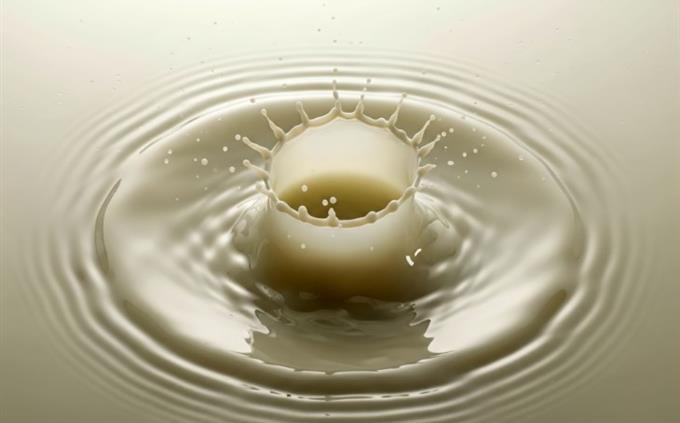
Which of these common household items is technically a "non-Newtonian fluid," meaning it acts like a liquid until you hit it, then it acts like a solid?
It’s why you have to "whack" the bottle to get it moving
Honey
Milk
Olive Oil
Ketchup
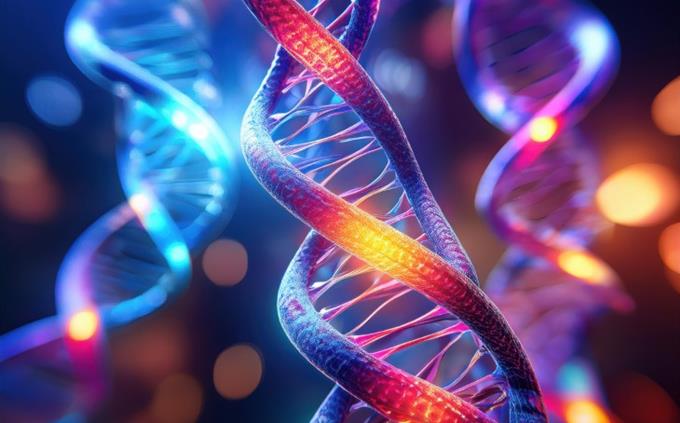
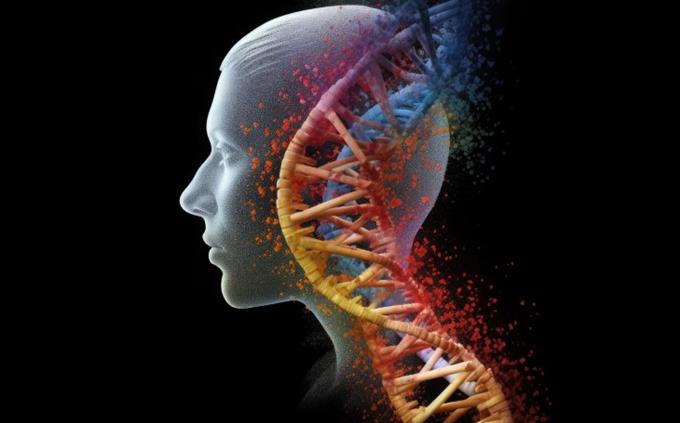
If you were to uncoil all the DNA in a single human body and stretch it out end-to-end, it would reach:
It’s about 10 billion miles of genetic code!
To the Moon and back
To Pluto and back
From New York to Tokyo
Around the Earth’s equator twice
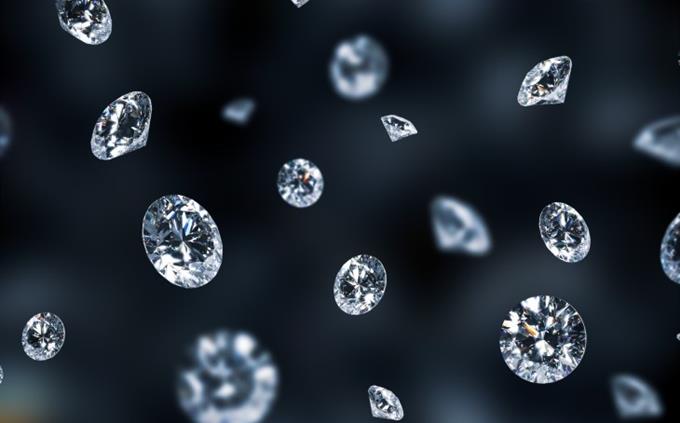
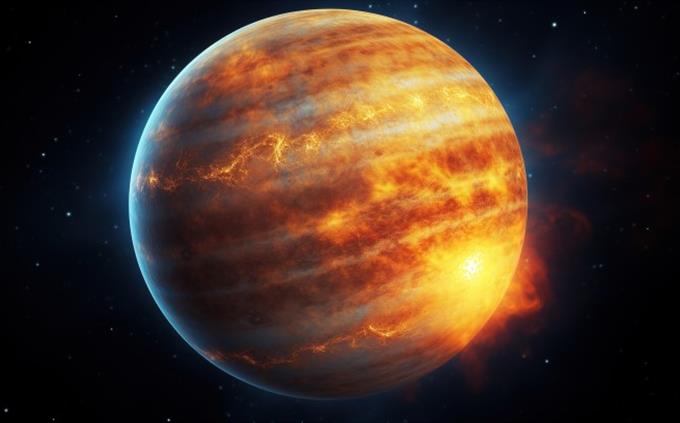
Which of these celestial bodies has "diamond rain" in its atmosphere?
Mars
Neptune
The Moon
Venus
Venus is the hottest planet in the solar system, even though Mercury is closer to the sun. Why?
It has a greenhouse effect
It rotates faster
It is larger than Mercury.
It has more volcanoes.
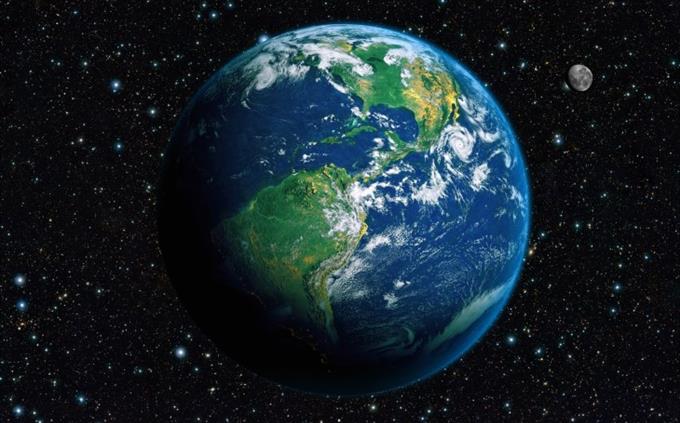
If you were to jump into a hole drilled straight through the center of the Earth to the other side, how long would the "fall" take?
We would have to imagine the molten core doesn't exist of course.
10 minutes
42 minutes
122 minutes
184 minutes
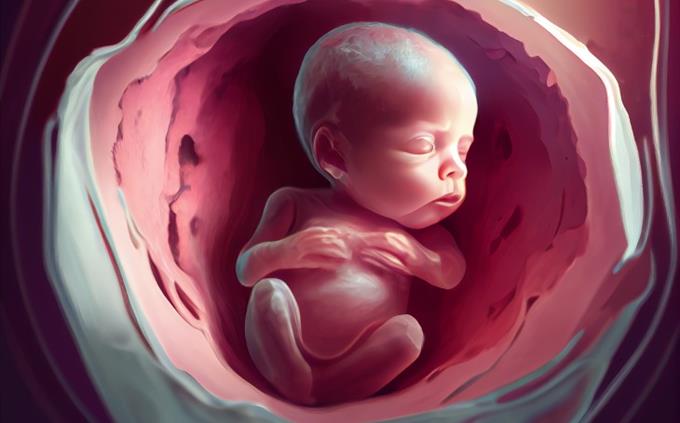
Which sense is the first to develop in a human fetus?
Sight
Hearing
Touch
Smell
If you poured a glass of water in space, what would happen?
The lack of pressure causes boiling; then it turns to ice crystals.
It would instantly freeze solid.
It would boil, then freeze
It would stay liquid forever.
It would disappear.
How much of the Earth's total water is actually fresh water (not salty)?
2.5%
0.25%
15%
45%
Human beings share about 50% of their DNA with which of these?
Grass
Dogs
Bananas
Flies
What is the only bird known to have a "sense of smell" so acute it can find buried food from miles away?
Kiwi
Penguin
Albatross
Geese
What is "Vantablack"?
A type of dark matter.
A material that absorbs 99.9% of visible light
A black hole's event horizon.
A rare deep-sea fish.
What is the "Goldilocks Zone" in astronomy?
The distance a planet can be from a sun and support life
The area around a black hole that gets pulled in
The area between any planet and a sun
The distance from a sun to the edge of its solar system
The Earthbound Observer
It seems you’re still firmly planted in the world of classical physics and everyday logic—and honestly, that’s a comfortable place to be! While you might know your basic elements, the "strange" side of science hasn't quite pulled you into its orbit yet. Don't worry; the universe is a counter-intuitive place, and even Einstein had trouble with some of these concepts. Consider this a perfect excuse to dive into a science documentary or start a "weird facts" rabbit hole!
You’ve clearly spent some time pondering the mysteries of the cosmos! You have a solid grasp of how the world works when things get small, fast, or just plain weird. You likely knew about the liver’s regenerative powers or the extreme density of neutron stars, showing you’re more than just a layman. You’re right on the cusp of true scientific mastery—just a few more "Quantum Tunneling" sessions and you’ll be ready to lead your own research team!
Incredible! You aren't just a science enthusiast; you’re a walking encyclopedia of the extraordinary. Navigating through the "Mpemba effect" and "Vantablack" with ease suggests you have a deep passion for the fringe and the fundamental alike. You see the hidden mechanics of the universe where others just see empty space. Whether you’re a professional scientist or a brilliantly curious autodidact, your knowledge of the natural world's most bizarre secrets is truly astronomical. Somewhere, Carl Sagan is smiling.
Subscribe and REMOVE ALL ADS
LOVE our articles but HATE our ads? For only $3.89 per month, enjoy a seamless, ad-free experience that lets you focus on what matters most — enjoying all of our content, uninterrupted. 🔒 100% Secure Payment 📅 Cancel Anytime, No Strings Attached Unlock a cleaner, faster browsing experience today and gain the freedom to navigate without visual clutter.
Ready for a Ad-Free experience? Upgrade now for just $3.89/month!
To enable your Ad-Free Subscription, please fill the fields below
Thank you for your subscription!
Your subscription was successful, now you can enjoy an ad-free experience!! Note: To make sure you get no ads, please make sure to log in to your account. If you are logged in already, then refresh the page. The subscription can be cancelled at any time.
This content is reserved for our members
Join Our Community for FREE and Enjoy:
Full and free access to ALL content.
The 'Daily Mail' service sends the highest quality and the most fascinating content directly to your inbox.
 Shai K.
3/23/2026
Shai K.
3/23/2026



 Go to BabaMail