Chemistry isn't just something that happens in laboratories. It's happening all around you, right now! Every time you bake a loaf of bread, watch a candle flicker, or wonder why your silverware has gone dark, you're witnessing chemical reactions in action. The truth is, our everyday lives are one big chemistry experiment, from the kitchen to the garden to the medicine cabinet. So how well do you really understand the invisible forces that shape your world? This 13-question quiz will put your everyday science knowledge to the test. No lab coat required, just your curiosity!
What gas is produced when baking soda is mixed with vinegar?
Oxygen
Hydrogen
Nitrogen
Carbon dioxide
What do we call a substance that speeds up a chemical reaction without being used up?
A catalyst
A reactant
A solvent
A product
Which of these is a physical change, NOT a chemical reaction?
Burning paper
Baking a cake
Melting ice
Rusting iron
What do we call a reaction that releases heat?
Endothermic
Exothermic
Isothermic
Hypothermic
What happens when an acid and a base are mixed together?
An explosion always occurs
They neutralize each other
Nothing happens
They both become stronger
Which pH value indicates a neutral substance, like pure water?
0
14
7
10
Why does food cook faster when chopped into smaller pieces?
Smaller pieces have less mass
More surface area is exposed
Small pieces contain less water
Heat avoids large pieces
The Maillard reaction is a reaction we get when...
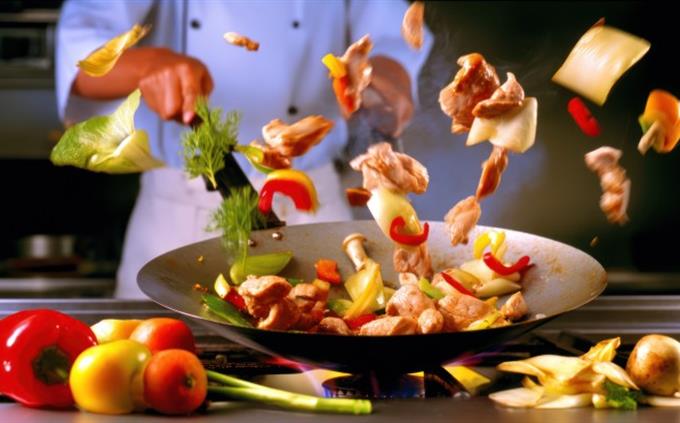
The Maillard reaction is a complex chemical domino effect between amino acids and reducing sugars, triggered by heat. It is the process responsible for the appetizing golden-brown color, rich aromas, and savory flavors in cooked foods like seared steaks, toasted bread, baked cookies, and roasted coffee.
Cooking foods like steak or toast
Mixing acids like vinegar and bleach
Mixing acids and alkaline materials
Freezing foods in the refrigerator
What is produced when hydrogen burns in oxygen?
Carbon dioxide
Methane
Water
Salt
What is the chemical process that uses electricity to split water into hydrogen and oxygen?
Electrolysis
Combustion
Photosynthesis
Condensation
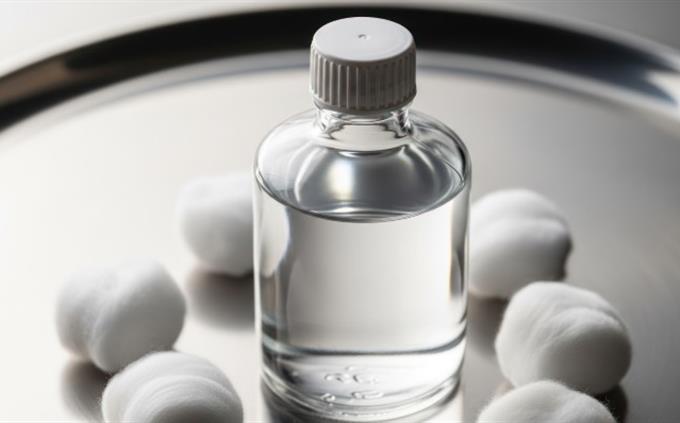
Hydrogen peroxide bubbles when poured on a wound. What is the bubbling gas?
Carbon dioxide
Oxygen
Hydrogen
Chlorine
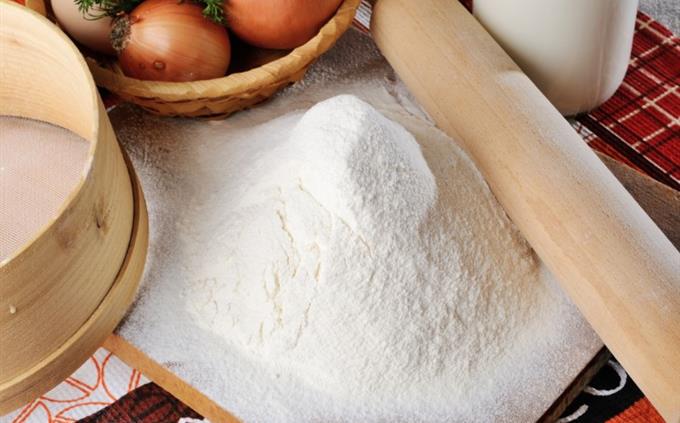
What makes self-rising flour different from regular flour?
It contains added baking powder
It contains more yeast
It is ground more finely
It contains sugar
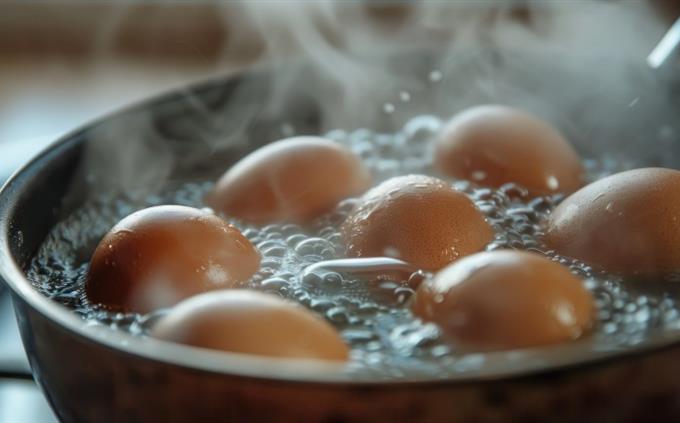
What is the main chemical change when an egg is boiled?
The proteins unfold and link together, becoming solid
The egg absorbs salt from the water
The water inside freezes
The shell dissolves into the egg
Time to Stir Things Up!
Chemistry may not be your strong suit just yet, but don't worry, every great scientist started somewhere! The wonderful thing about everyday chemistry is that the learning opportunities are all around you: in your kitchen, your backyard, and even your jewelry box. Why not try the quiz again after reading through the answers? You might be surprised how quickly these fascinating facts stick with you. After all, curiosity is the most important ingredient in any reaction!
Nicely done! You clearly know your way around everyday science. You've got a good grasp of the chemistry that surrounds us, even if a few of the trickier questions slipped past you. You're the kind of person who probably knows why the bread rises and why the kettle gets crusty, and that's no small thing! Brush up on a few more fun facts, and you'll be the resident science expert at your next family dinner.
Outstanding! You aced this quiz like a true scientist. From the Maillard reaction to the mysteries of fermentation, you understand the hidden chemistry that makes our world tick. Your friends and family probably already come to you with their burning questions (pun intended!), and now you have the score to prove your expertise. Keep that wonderful curiosity bubbling. Science needs more enthusiastic minds like yours!
Subscribe and REMOVE ALL ADS
LOVE our articles but HATE our ads? For only $3.89 per month, enjoy a seamless, ad-free experience that lets you focus on what matters most — enjoying all of our content, uninterrupted. 🔒 100% Secure Payment 📅 Cancel Anytime, No Strings Attached Unlock a cleaner, faster browsing experience today and gain the freedom to navigate without visual clutter.
Ready for a Ad-Free experience? Upgrade now for just $3.89/month!
To enable your Ad-Free Subscription, please fill the fields below
Thank you for your subscription!
Your subscription was successful, now you can enjoy an ad-free experience!! Note: To make sure you get no ads, please make sure to log in to your account. If you are logged in already, then refresh the page. The subscription can be cancelled at any time.
This content is reserved for our members
Join Our Community for FREE and Enjoy:
Full and free access to ALL content.
The 'Daily Mail' service sends the highest quality and the most fascinating content directly to your inbox.
 Shai K.
6/11/2026
Shai K.
6/11/2026



 Go to BabaMail