
We've all been there. A questionable restaurant meal, a stomach bug making the rounds after a family get-together, or a reaction to a new medication, and suddenly your whole day revolves around staying close to a bathroom. Diarrhea is unpleasant, inconvenient, and often a little embarrassing to talk about. The good news is that most bouts clear up on their own within a day or two.
In the meantime, there's plenty you can do to feel better sooner and protect your body while it recovers. This matters even more as we get older. Our sense of thirst becomes less reliable with age, so dehydration can creep up before we notice it, and many common medications can make fluid loss more serious. Here are seven simple, practical ways to calm things down, along with clear signs that it's time to call your doctor.
1. Reach for the Right Over-the-Counter Medicine
Your local pharmacy shelf offers two main types of anti-diarrheal medicine, and they work in different ways.
Imodium (loperamide) slows down the movement of your intestines. This gives your body more time to absorb water from what passes through, so stools become firmer and less frequent. It tends to work quickly, which makes it a popular choice when you need relief before a trip or an appointment. Stick carefully to the dose on the label, though. Taking much more than recommended can cause serious heart rhythm problems.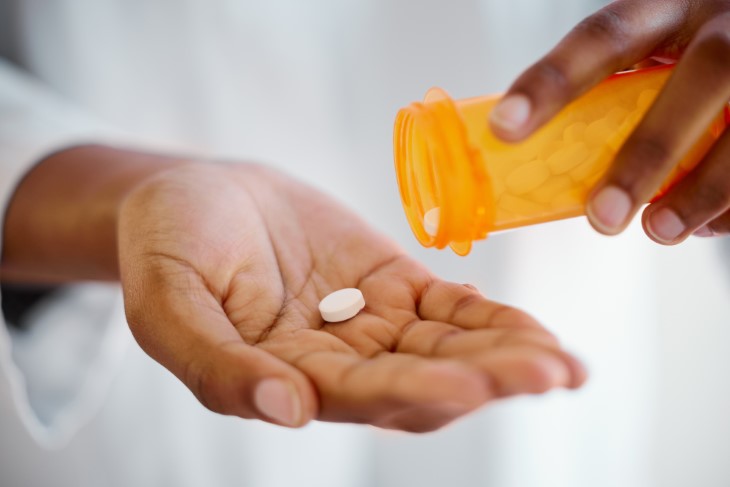
Pepto-Bismol or Kaopectate (bismuth subsalicylate) helps balance the movement of fluid in your intestines and calms inflammation. It can also ease the nausea and queasiness that often come along with diarrhea. A few things worth knowing:
Two important rules apply to both types. First, use only one anti-diarrheal medicine at a time unless your doctor tells you otherwise. Second, hold off on these medicines if your diarrhea comes with a fever or blood in the stool. Those can be signs of a bacterial or parasitic infection, and in that case your body needs to flush the germs out rather than hold them in.
2. Know When Antibiotics Help and When They Don't
It's natural to think an antibiotic will clear things up, but for most everyday cases of diarrhea, it won't. The majority of short-term stomach bugs are caused by viruses such as norovirus, rotavirus, and adenovirus, and antibiotics have no effect on viruses at all.
That said, if tests show that bacteria or parasites are behind your symptoms, your doctor may prescribe an antibiotic or another targeted medication.
There's also a twist worth remembering: antibiotics themselves are a common cause of diarrhea, because they can upset the natural balance of bacteria in your gut. If you develop diarrhea while taking antibiotics or in the weeks afterward, especially if it's frequent, watery, or comes with stomach cramps, let your doctor know. In some cases it can signal a more stubborn infection that needs specific treatment, and older adults are at higher risk.
3. Eat Smaller, Gentler Meals
When your digestive system is upset, three large meals can feel like too much. Instead, try eating smaller portions more often, spread evenly through the day. This puts less strain on your gut and helps you keep up your energy.
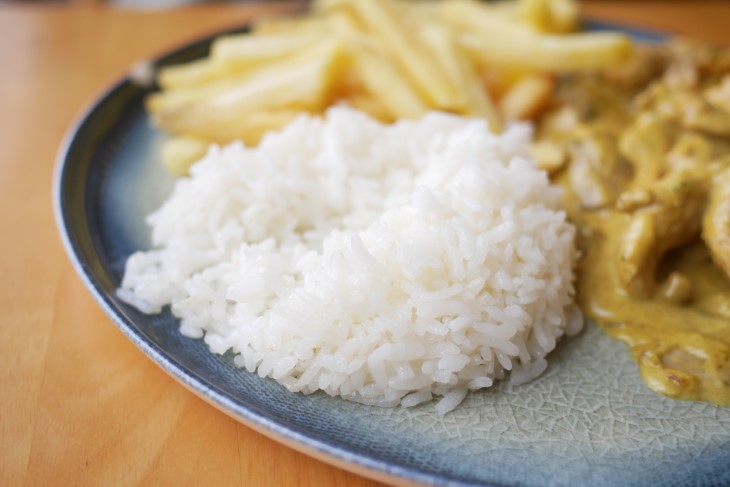
Many doctors suggest a short stint on the BRAT diet, which stands for bananas, rice, applesauce, and toast. Other bland, easy-on-the-stomach options include:
These foods are low in fiber and high in starch, which helps firm up stools by "binding" things together. Bananas have an extra advantage: they're rich in potassium, one of the minerals your body loses when you have diarrhea.
Just don't stay on this limited menu for long. It isn't nutritionally complete, and your body needs a full range of nutrients to recover. Most people can gradually ease back into their regular diet within 24 to 48 hours as they start feeling better.
4. Steer Clear of Foods That Make Things Worse
What you leave off your plate can be just as important as what you put on it. While you're recovering, try to avoid:

Once your stomach settles, you can slowly bring these foods back one at a time.
5. Keep Sipping: Hydration Comes First
If there's one thing to take away from this article, it's this: the biggest danger of diarrhea isn't the diarrhea itself, it's dehydration. Every loose stool carries away water along with important minerals, and that loss adds up quickly.

Rather than gulping down a big glass at once, which can upset a sensitive stomach, take small sips regularly throughout the day. Aim for drinks that contain a mix of water, salt, and a little sugar, since these help your body hold on to fluid. Good choices include:
Diluting sweet drinks is a smart move, because very sugary liquids can actually pull more water into the intestines and make diarrhea worse.
If you're caring for little ones: Children with diarrhea should not be given fruit juice or soft drinks, which can worsen their symptoms. Instead, offer small, frequent sips of an oral rehydration solution such as Pedialyte. Babies should continue to be breastfed or bottle-fed as usual.
If you take regular medication: Water pills (diuretics) and some blood pressure and diabetes medications can affect how your body handles fluid loss. If you take any of these and have more than a mild bout of diarrhea, call your doctor or pharmacist to ask whether you should adjust anything until you recover.
6. Keep an Oral Rehydration Solution on Hand
Oral rehydration solutions are sold over the counter under brand names like Pedialyte and Enfalyte, as well as more affordable store brands. They come as ready-to-drink liquids, powders, and even frozen pops.
What makes them special is their carefully balanced formula. They contain glucose along with electrolytes such as sodium, potassium, and chloride. The small amount of sugar isn't there for flavor: it actually helps your intestines absorb salt and water more efficiently, so these drinks rehydrate you better than plain water alone.
Keep in mind that an oral rehydration solution won't stop diarrhea. Its job is to replace what you're losing so you stay safely hydrated while the illness runs its course. It's well worth keeping a few packets in your medicine cabinet, since a stomach bug rarely gives advance notice.
7. Give Probiotics a Thoughtful Try
Probiotics contain live microorganisms similar to the friendly bacteria that naturally live in your digestive tract. Some doctors suggest them to help restore balance after a bout of diarrhea.
The evidence is still mixed. Some research suggests probiotics may help diarrhea clear up about a day sooner, while other studies haven't found a clear benefit for adults with short-term diarrhea. Lactic acid bacteria, found in yogurt with live cultures and in supplements, are among the most studied.
If you'd like to try yogurt, choose a low-fat variety. However, if your diarrhea is severe, dairy may make it worse, so it's better to wait until things calm down. And if you have a weakened immune system or a serious health condition, check with your doctor before taking probiotic supplements.
How to Tell If You're Getting Dehydrated
One of the simplest checks is the color of your urine. Light yellow to nearly clear usually means you're drinking enough. Dark yellow urine is an early warning that you need more fluids.

Other signs of dehydration include:
Because thirst becomes a less dependable signal with age, older adults shouldn't wait to feel thirsty before reaching for a drink. Confusion or dizziness in particular are signs to take seriously.
Short-Term or Something More?
Diarrhea is generally defined as three or more loose, watery stools in a day. A sudden bout, often triggered by contaminated food or a passing virus, usually lasts a day or two and goes away without any treatment at all.
When diarrhea sticks around for two to four weeks, it's considered persistent, and when it lasts longer than four weeks, it's called chronic. Long-lasting diarrhea may be linked to:
In these cases, treatment depends on the root cause. For example, celiac disease is managed by cutting gluten out of the diet completely, IBD is often treated with prescription medicines that calm inflammation in the bowels, IBS frequently improves with dietary changes, and bile acid malabsorption can be treated with medications that bind to bile in the digestive tract. If your diarrhea keeps coming back or simply won't go away, it's worth getting checked so you can find out what's really going on.
When to Call the Doctor
Most cases of diarrhea pass quickly on their own. But contact your doctor promptly if you notice any of the following:
Can You Prevent Diarrhea?
Not every case can be avoided, but a few habits can lower your chances considerably.
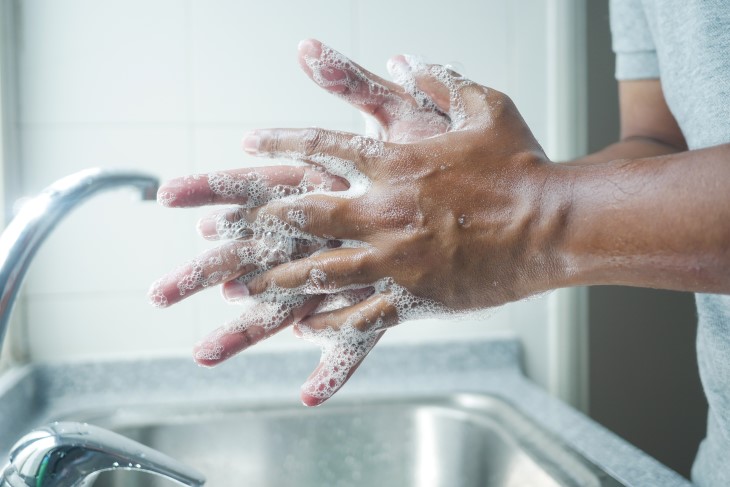
Wash your hands well. Scrubbing with soap and warm water, especially after using the bathroom and before handling food, is one of the best ways to stop stomach bugs from spreading. Soap and water work better than hand sanitizer against norovirus, the most common culprit.
Make sure the little ones are vaccinated. Rotavirus is a common cause of diarrhea in babies and young children, and the RotaTeq and Rotarix vaccines offer strong protection. If you help care for grandchildren, it's a reassuring thing to know.
Travel smart. Traveler's diarrhea can spoil a long-awaited vacation. To reduce your risk in places where it's common:
It's also a good idea to talk with your doctor before you travel. They can advise you on whether to pack any medication for the trip, just in case.