
You already know that a poor night's sleep leaves you tired and foggy. But if you've also noticed a dull ache creeping across your forehead or a throbbing pain behind one eye after a rough night, you're not imagining things. Sleep and headaches are closely connected, and understanding that link is the first step toward waking up pain free.
Quick takeaways:
Both too little sleep and too much sleep can trigger headaches.
Tension headaches and migraines have different causes, symptoms, and treatments.
Small, consistent changes to your sleep routine often prevent headaches before they even start.
A headache that comes on suddenly, feels unusually severe, or comes with other symptoms deserves a call to your doctor.
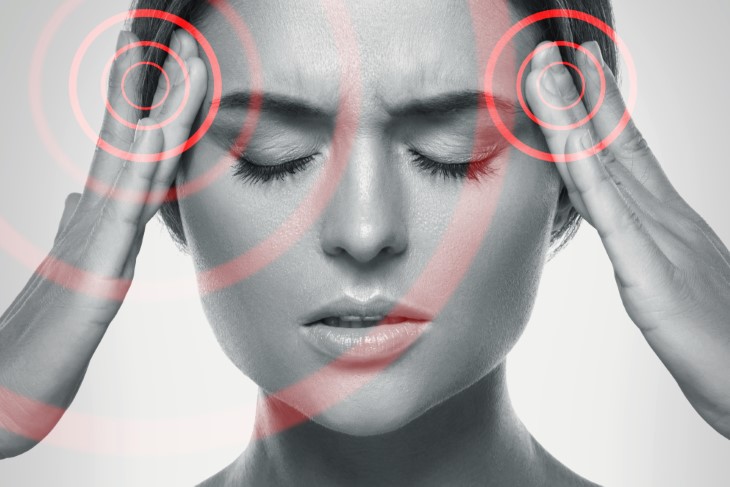
Not all headaches are the same, and figuring out which type you're dealing with can help you treat it more effectively.
MigraineOften felt on just one side of the head, migraines can last anywhere from a few hours to several days. They frequently bring nausea, sensitivity to light and sound, and sometimes vomiting. Some people also experience an "aura," such as flashing lights or tingling sensations, shortly before the pain begins.
Tension headacheThis is the more common type, producing a mild to moderate pressure or tightness across the top, sides, and back of the head, almost like a tight band. Unlike migraines, tension headaches usually aren't made worse by light or noise.
While you sleep, your brain and body aren't simply "switched off." Your body produces proteins during deep sleep that help regulate and suppress pain signals. When sleep gets cut short, production of these proteins drops, and your pain threshold falls along with it. Researchers have also found that even a single night of poor sleep can raise inflammatory markers and lower pain tolerance within about 24 hours, which explains why one bad night is sometimes all it takes to bring on a headache.

There's a second piece to the puzzle as well. During deep sleep, the brain relies on a natural cleanup system, sometimes called the glymphatic system, to clear out waste products that build up during the day. Cutting sleep short interferes with this process, which some researchers believe contributes to next-day headaches.
Most healthy adults function best on seven to nine hours of sleep a night. As we get older, that number narrows slightly:
Adults 18 to 647 to 9 hours per night
Adults 65 and older7 to 8 hours per night
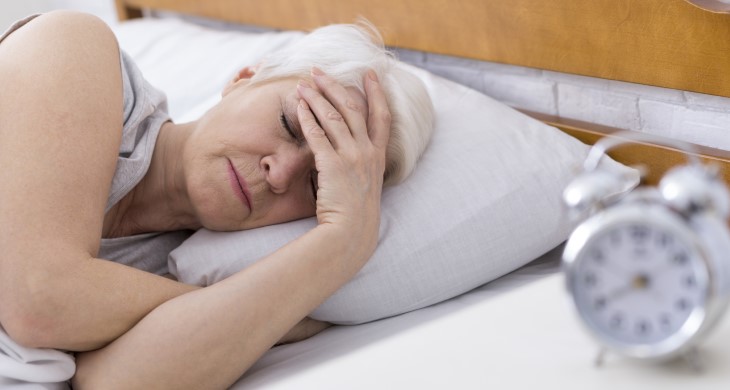
Quality matters just as much as quantity. Frequent nighttime waking or restless, fragmented sleep can leave you with headache-prone mornings even if you technically spent eight hours in bed.
Here's a twist many people don't expect: oversleeping can trigger headaches just as easily as sleep deprivation. This is common enough to have its own nickname, the "weekend headache," and it tends to strike people who run short on sleep during the work week and then try to make up for it by sleeping in on Saturday or Sunday.
A few things seem to be going on at once. Sleeping in disrupts your normal serotonin rhythm, the same brain chemical involved in regulating your sleep-wake cycle and pain sensitivity. Skipping your usual morning coffee later than normal can also bring on a caffeine-withdrawal headache. And lying still for extra hours can leave neck and shoulder muscles stiff and tense.
The fix is simpler than it sounds: try to wake up within about an hour of your usual time, even on days off. If you're genuinely behind on sleep, an earlier bedtime does more good than a later wake-up time.
If you regularly wake up with a headache that fades within an hour or two, it's worth considering whether something is interrupting your sleep without you fully realizing it. Sleep apnea, a condition in which breathing repeatedly stops and starts during the night, is linked to morning headaches in a notable share of people who have it. The repeated drops in oxygen and disrupted sleep cycles are thought to be the cause.
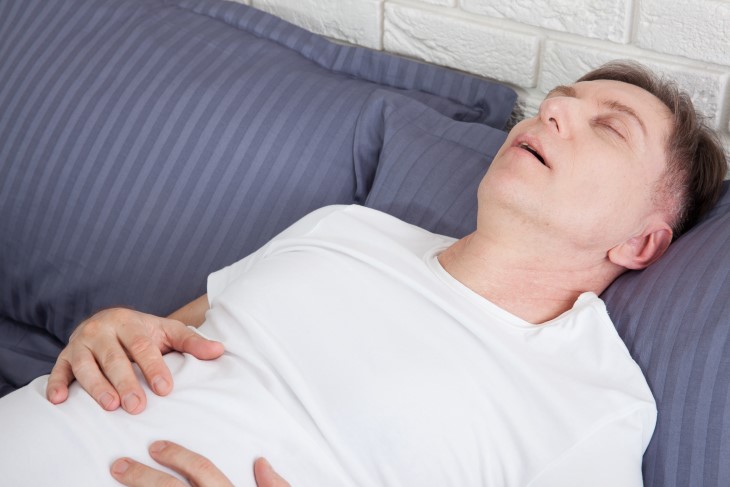
Since sleep apnea becomes more common with age, and often shows up alongside snoring, gasping during sleep, or daytime drowsiness, it's a reasonable thing to bring up with your doctor if morning headaches are a regular pattern for you. A simple sleep evaluation can clarify whether it's playing a role.
If a headache does strike, several options can bring relief. For tension headaches, over-the-counter pain relievers such as ibuprofen, aspirin, or naproxen are typically effective. For recurring tension headaches, a doctor may suggest preventive options.
Migraines tend to need a more targeted approach. Options range from over-the-counter pain relievers for milder attacks to prescription medications such as triptans, which work by narrowing blood vessels and interrupting pain pathways in the brain. For migraines that last longer or come with severe nausea, a doctor might recommend other prescription options or anti-nausea medication. Preventive treatments, including certain blood pressure medications, antidepressants, and monthly injectable medications, are also available for people who experience frequent migraine attacks.
Because many of these medications can interact with other prescriptions or existing health conditions, it's always worth checking with your doctor or pharmacist before starting something new, especially if you're already taking regular medication for another condition.
A short nap can genuinely take the edge off a headache, especially one brought on by fatigue. But naps can just as easily cause a headache if you're not careful. Napping too long can trigger the same oversleeping effects described earlier, and dozing off in an awkward position, such as slumped in a recliner or on the couch without proper neck support, can leave you with a stiff neck and tension headache when you wake.
To get the benefit without the downside, keep naps to 20 or 30 minutes, use a pillow that keeps your head and neck level rather than tilted, and avoid napping too late in the afternoon, since that can make it harder to fall asleep that night.
1. Keep a consistent schedule. Go to bed and wake up at roughly the same time every day, weekends included.
2. Get daytime light exposure. Natural light during the day helps anchor your body's internal clock.
3. Ease off screens before bed. The blue light from phones and tablets can delay your body's natural release of melatonin, making it harder to fall and stay asleep.
4. Watch your evening caffeine and alcohol. Both can fragment your sleep, and alcohol in particular tends to disrupt the deeper stages of sleep later in the night.
5. Keep the bedroom cool and dark. A room temperature around 65 to 68°F (18 to 20°C) is generally considered ideal for sleep.
6. Eat lightly in the evening. A heavy meal close to bedtime can cause indigestion that disrupts sleep.
7. Exercise earlier in the day. Regular activity supports good sleep, but exercising too close to bedtime can be overly stimulating. Aim to finish at least three hours before bed.
8. Build a wind-down routine. Reading, light stretching, or a warm bath can signal to your body that it's time to rest.
9. Taper fluids before bed. Drink enough during the day, but ease off in the hour or two before sleep to avoid nighttime bathroom trips.
10. Don't force it. If you're not sleepy at your usual bedtime, it's fine to wait 20 to 30 minutes rather than lying awake and getting frustrated.
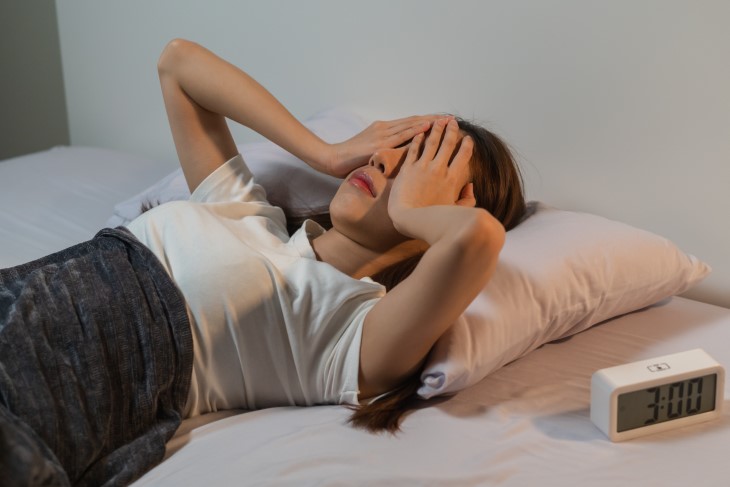
Most sleep-related headaches are uncomfortable but harmless, and they tend to fade once your sleep gets back on track. That said, certain warning signs deserve prompt medical attention:

The relationship between sleep and headaches runs in both directions: poor sleep brings on headaches, and headaches make it harder to sleep well. The good news is that this cycle is very often within your control. Keeping a steady sleep schedule, staying hydrated, managing stress, and paying attention to how your body responds to naps and weekend sleep-ins can go a long way toward keeping headaches at bay, and toward making sure you wake up feeling like yourself again.