W After more than a decade of smartphones looking like the same black brick, we're finally seeing a new design trend coming in - the foldable smartphone. Why do people want foldable phones? Well, it's that sweet spot between the small screen of the phone and the large screen of the less convenient tablet device. The foldable phone market in 2026 has reached unprecedented levels of sophistication and diversity. Where Samsung once dominated, we now see fierce competition from Google, Motorola, and Chinese manufacturers. This year brings meaningful innovations: larger batteries, improved durability, better cameras, and thinner designs. Whether you're seeking a compact flip-style phone or a tablet-sized productivity powerhouse, the 2026 lineup offers compelling options at various price points. Here's your comprehensive guide to help you make an informed decision.
Samsung Galaxy Series
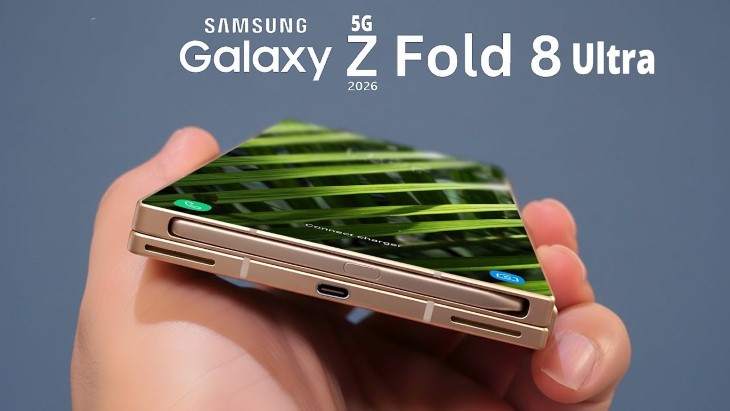
Samsung Galaxy Z Fold 8 Ultra
Inner Display: 8.0 inches Dynamic AMOLED 2X
Outer Display: 6.5 inches AMOLED
Refresh Rate: 120Hz (both screens)
Memory: 12GB/16GB RAM
Storage: 256GB/512GB/1TB (no expansion)
Processor: Snapdragon 8 Elite Gen 5
Battery: 5,000 mAh
Charging: 45W wired fast charging
Camera: 200MP main + 50MP telephoto + 10MP ultrawide
OS: Android 17 (up to 7 years updates)
Weight: 215g
Rating: IP48 water/dust resistant
Available In: USA, Canada, Europe, UK, Australia, Japan, South Korea, India
NOT Available: Most of Africa, select developing markets
Advantages
The Galaxy Z Fold 8 Ultra represents Samsung's most refined foldable experience. At just 4.1mm unfolded, it's remarkably thin despite packing powerful performance. The larger 8-inch inner display with improved aspect ratio makes it genuinely useful for productivity and media consumption. The Snapdragon 8 Elite Gen 5 processor ensures smooth multitasking and gaming. The 5,000mAh battery is the largest Samsung has ever put in a Fold, addressing previous concerns about endurance. Advanced AI features powered by Galaxy AI, durable construction with Gorilla Glass Victus Ceramic 3, and the legendary Samsung support ecosystem make this a top choice for power users. The improved hinge design with less visible crease represents genuine refinement over previous generations.
Disadvantages
Price is the elephant in the room—this device starts above $1,900 and easily exceeds $2,200 with higher storage. The 45W charging speed lags behind competitors offering 80W and beyond. Camera improvements over the Z Fold 7 are incremental rather than revolutionary. The foldable design, while improved, still feels more fragile than traditional flagship phones under rough handling. The crease, though less visible, remains noticeable depending on viewing angles and lighting. Not available in all countries, particularly outside major markets. Battery life, while improved, doesn't match the exceptional endurance of larger-battery devices from Honor and Motorola. Thermal management during sustained gaming can occasionally throttle performance slightly.
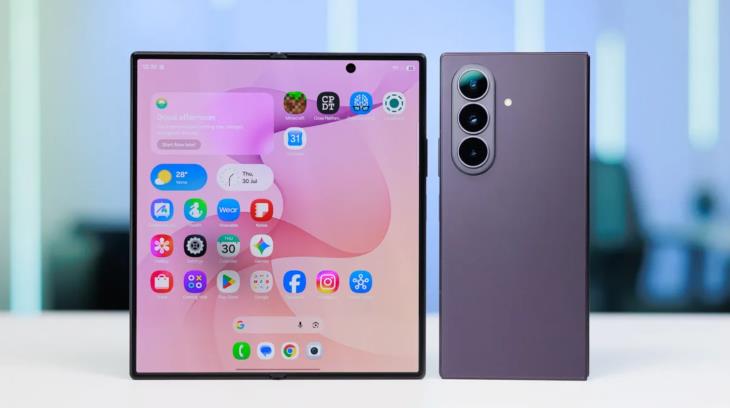
Samsung Galaxy Z Fold 8 (Standard)
Inner Display: 7.6 inches Dynamic AMOLED 2X
Outer Display: 5.5 inches Dynamic AMOLED 2X
Refresh Rate: 120Hz adaptive (1-120Hz)
Memory: 12GB RAM
Storage: 256GB/512GB/1TB
Processor: Snapdragon 8 Elite Gen 5
Battery: 4,800 mAh
Charging: 25W wired + wireless
Camera: 50MP main + 50MP telephoto + 50MP ultrawide
OS: Android 17
Weight: 201g (lightest Fold ever)
Special: Wider, more rectangular display format
Available In: USA, Canada, Europe, UK, Australia, Japan, South Korea, India
NOT Available: Most of Africa, select developing markets
Advantages
This is Samsung's surprise winner for 2026. The new 5.5-inch wide outer display is genuinely revolutionary—many users won't even need to unfold for casual browsing, messages, and social media. At just 201 grams, it's Samsung's lightest Fold ever, making it more comfortable for extended use. The wider inner display with optimized 4:3 aspect ratio is perfect for movies, games, and productivity. At $200 less than the Ultra variant, you get nearly the same processor performance and the same excellent software support. The more compact form factor means it actually fits normal pocket dimensions. Excellent value for someone who wants a large-screen foldable without paying premium Ultra pricing. Better suited for casual users who appreciate the extra screen space without needing maximum performance.
Disadvantages
The 4,800mAh battery is smaller than competitors and provides slightly less endurance than the Ultra. Charging caps at 25W, which feels dated when Motorola and Honor offer 80W+. The camera system, while competent, doesn't offer significant upgrades from previous Fold models. Lacks some premium materials found on the Ultra variant. The new wider aspect ratio, while useful, takes adjustment and isn't ideal for all applications. Still a flagship-priced device at approximately $1,700, not affordable for most buyers. Performance throttles aren't dramatic but can occur during sustained heavy usage. The form factor trades some of the original Fold's tablet-like utility for pocket-friendliness—a different philosophy that not everyone will appreciate.
Samsung Galaxy Z Flip 8
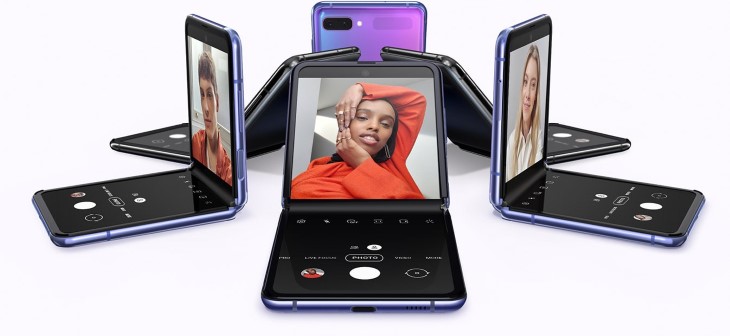
Main Display: 6.9 inches Dynamic AMOLED 2X
Cover Display: 4.1 inches Super AMOLED
Refresh Rate: 120Hz (both)
Memory: 12GB RAM
Storage: 256GB/512GB
Processor: Snapdragon 8 Elite Gen 5 or Exynos 2600
Battery: 4,300 mAh
Charging: 25W wired + 15W wireless
Camera: 50MP main + 12MP ultrawide (rear), 10MP (front)
OS: Android 17, One UI 9
Weight: 180g
Form Factor: Compact clamshell (folds lengthwise)
Available In: USA, Canada, Europe, UK, Australia, Japan, South Korea, India
NOT Available: Most of Africa, select developing markets
Advantages
This is the phone for people who love the classic flip phone form factor. At 180 grams and fitting in a small pocket when folded, it's the most portable flagship phone on the market. The improved FlexWindow cover screen is actually usable now for real tasks, not just notifications. For someone who primarily uses their phone for calls, messages, and quick tasks, the flip design's instant accessibility is perfect. The updated hinge is smoother and noticeably more durable. Design refinements reduce the visible inner crease compared to previous models. At $1,200-$1,400, it's Samsung's most affordable premium foldable. Excellent for reducing phone usage and distraction—you actively choose to unfold it. Perfect for people missing their old physical flip phones or those who want a conversation-starter device.
Disadvantages
The 4,300mAh battery is notably small for a flagship phone, requiring daily charging for moderate use. The cover screen is only 4.1 inches, limiting what you can actually do without unfolding. No stylus support, unlike Z Fold models. Camera performance is decent but not exceptional for a flagship price. The flip design is less practical for extended work sessions compared to book-fold models. Charging remains a weak point at just 25W. Less durable than non-folding phones in real-world handling, with potential durability concerns over 2-3 years. Performance doesn't justify the premium pricing compared to standard flagship alternatives. The foldable OLED screen is less bright and vibrant than unfolded screens on other foldables. Social Security and privacy apps sometimes struggle with the narrow folded screen format.
Google Pixel Series
Google Pixel 11 Pro Fold
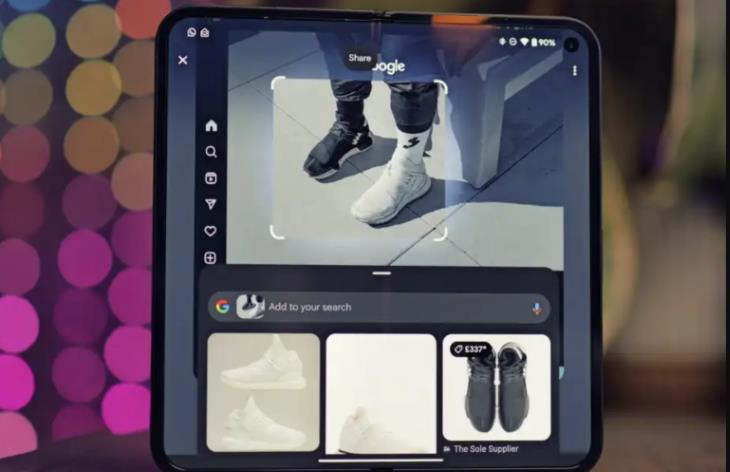
Inner Display: 8.0 inches OLED
Outer Display: 6.4 inches OLED
Refresh Rate: 120Hz (both)
Memory: 16GB RAM
Storage: 256GB/512GB/1TB
Processor: Google Tensor G6 custom chip
Battery: 4,806 mAh
Charging: 50W wired + Qi 2.2 (25W) wireless
Camera: 48MP main + 10.5MP ultra + 10.8MP telephoto (5x)
OS: Android 17 (7-year updates guaranteed)
Weight: 239g
Special: Advanced Gemini AI integration
Available In: USA, Canada, UK, Australia, most of Europe, Japan, Singapore, Taiwan, and other Google Play markets
NOT Available: China, Russia, most of Africa, developing markets without official Google support
Advantages
Google's second-generation Pixel foldable is noticeably lighter and thinner than its predecessor, making it more comfortable to hold. The Tensor G6 chip, while not the fastest processor overall, is optimized specifically for Google's AI features, making tasks like real-time translation, audio magic editing, and computational photography superior to competitors. The camera system is excellent—the new 48MP main sensor captures significantly better detail and low-light performance. Magic Capture mode automatically catches perfect moments, and new Camera Looks allow unprecedented image customization. The software experience is the cleanest Android available, free from manufacturer bloat. Seven-year update guarantee is industry-leading. At $1,900, it's expensive but positioned well against competitors. The Qi 2.2 magnetic wireless charging is a nice premium touch.
Disadvantages
The 4,806mAh battery is surprisingly small for a foldable, placing it at a disadvantage against Honor's 7,000+ mAh options and Motorola's 6,000mAh. This means the Pixel likely finishes the day with single-digit battery percentage. Charging at 50W is faster than Samsung but still trails competitors. The Tensor G6, while excellent for AI tasks, sometimes underperforms in intensive gaming compared to Snapdragon alternatives. Limited availability outside major markets. The software-focused approach means less hardware innovation compared to competitors. Repair costs for this device are among the highest in the industry. Thermals management occasionally causes performance throttling during sustained use. The focus on AI features appeals to tech enthusiasts but may overwhelm average users. At nearly 240 grams, it's heavier than competitors, reducing pocket-friendliness.
Motorola Razr Series
Motorola Razr Fold (2026)
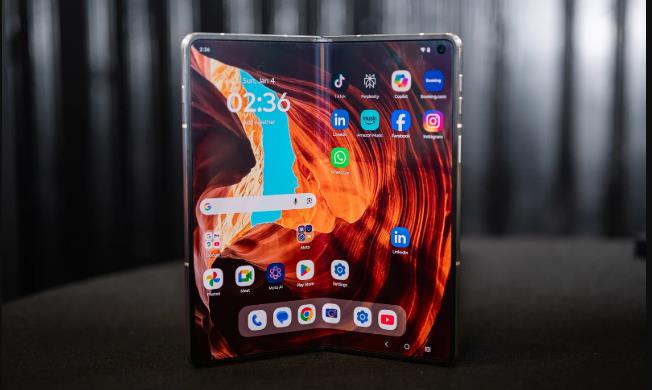
Inner Display: 8.1 inches LTPO OLED
Outer Display: 6.6 inches OLED
Refresh Rate: 120Hz inner, 165Hz outer (limited)
Memory: 12GB/16GB RAM
Storage: 256GB/512GB
Processor: Snapdragon 8 Gen 5
Battery: 6,000 mAh silicon-carbon
Charging: 80W wired + 50W wireless
Camera: 50MP Sony Lytia main + 50MP telephoto (3x) + 50MP ultra
OS: Android 16 (3 OS + 5 security updates)
Weight: Approximately 220g
Special: DXOMARK Gold Label camera award
Available In: USA, Canada only
NOT Available: Europe, UK, Australia, Asia, most international markets. Exclusively North America.
Advantages
Motorola's Razr Fold is a genuine game-changer, especially for camera enthusiasts. The triple 50MP Sony Lytia camera system with professional-grade sensors delivers exceptional image quality, particularly in challenging lighting. DXOMARK awarded it their Gold Label for cameras—the only foldable achieving this in North America. The massive 6,000mAh silicon-carbon battery delivers class-leading endurance, easily lasting through a full day of heavy use. At $1,500, it undercuts Samsung's Ultra by $400+ while offering superior battery and camera performance. The 80W charging combined with 50W wireless charging is genuinely fast. The innovative Moto Pen support adds productivity features absent from competitors. Build quality feels premium with excellent design refinement. The longer outer screen makes the folded phone more usable for actual tasks. Excellent value proposition for power users and content creators.
Disadvantages
Software support is a concern—only three years of OS updates versus seven from Samsung and Google. The Snapdragon 8 Gen 5, while capable, isn't the absolute newest flagship processor available. Motorola's optimization isn't quite as polished as Samsung's OneUI experience. Availability is primarily North American, making it difficult to purchase internationally. Thermal management, while improved, occasionally causes throttling during extended heavy use. The device is heavier than Samsung alternatives, reducing pocket comfort. Repair ecosystem is smaller than Samsung's. The Moto Pen support is innovative but adds complexity and potential durability concerns. MotoOS lacks some of the polish of Samsung's deeply refined software ecosystem. Customer service outside North America can be challenging. While camera quality is excellent, the Snapdragon processor doesn't have the same AI computing capabilities as Tensor or proprietary Samsung chips.
Honor Magic Series
Honor Magic V6
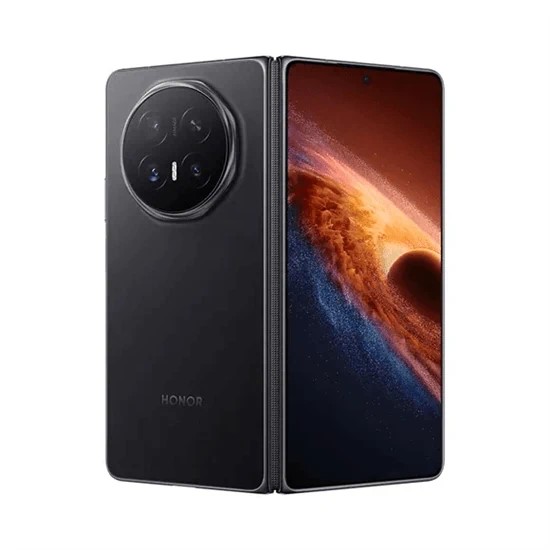
Inner Display: 7.95 inches LTPO2 AMOLED
Outer Display: 6.52 inches LTPO2 OLED
Refresh Rate: 120Hz (both)
Memory: 16GB RAM
Storage: 256GB/512GB/1TB
Processor: Snapdragon 8 Elite Gen 5
Battery: 6,850-7,150 mAh (largest in foldable)
Charging: 80W wired + 66W wireless
Camera: 50MP main + 64MP telephoto + 50MP ultra
OS: Android 16 (MagicOS 10)
Weight: 219-224g
Special: IP68+IP69 durability, Stylus support
Available In: China, Hong Kong, Malaysia, UAE, select Asian markets
NOT Available: USA, Canada, Europe, UK, Australia. Primarily Asia only.
Advantages
Honor's Magic V6 boasts the largest battery ever in a foldable phone—6,850-7,150mAh depending on the variant. This translates to exceptional endurance, easily lasting 1-2 days even with moderate to heavy use. The ultra-slim 4.0-4.1mm thickness when unfolded is remarkable given the massive battery. Dual-level IP certification (IP68+IP69) is rare in the foldable market, making it exceptionally durable. The stylus support on both displays adds genuine productivity value missing from most competitors. Fast 80W/66W charging gets you from empty to full in under an hour. The Snapdragon 8 Elite Gen 5 ensures top-tier performance. Excellent industrial design with premium materials and attention to detail. Particularly strong value in international markets where it's properly distributed. The extra-large battery addresses the primary weakness of most foldables—endurance.
Disadvantages
Availability remains a significant issue for North American consumers—the Magic V6 is primarily sold in China and select international markets. The foldable crease, while reduced, is still noticeable at certain angles. Stylus support adds complexity and potential durability concerns around the stylus slot. MagicOS, while improving, doesn't have the polish or extensive app support of Samsung OneUI. Software update policy is unclear and likely shorter than Samsung's seven-year guarantee. The device is heavier than Samsung alternatives, affecting pocket comfort. Repairability is limited outside China and major Asian markets. Camera performance, while good, isn't distinctive compared to competitors. Thermal management occasionally throttles under sustained maximum performance. International warranty coverage can be confusing. The Chinese-first software stack means some Western services and apps might have compatibility issues. Limited customer service presence in North America makes troubleshooting difficult.
Xiaomi Mix Series
Xiaomi Mix Fold 5
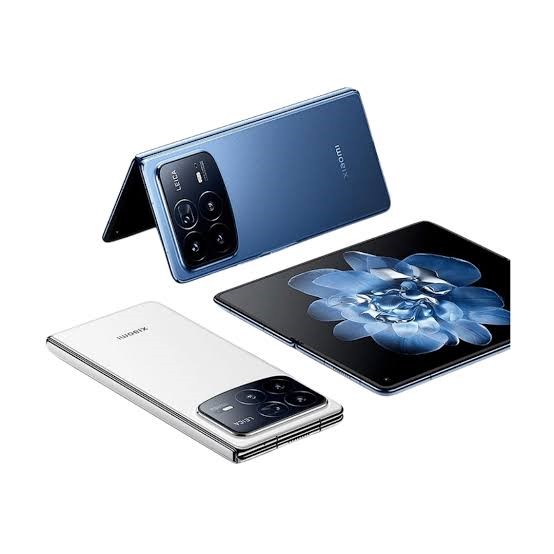
Inner Display: 7.5-7.6 inches OLED
Outer Display: Not fully disclosed
Refresh Rate: 120Hz (both)
Memory: 12GB/16GB RAM (estimated)
Storage: 256GB/512GB/1TB (estimated)
Processor: Xiaomi Xring O3 (custom, 3nm)
Processor Speed: Prime core at 4.05GHz (industry first)
Battery: 6,000 mAh
Charging: Wireless charging supported
Camera: 200MP main camera
OS: HyperOS 4 (Android 17)
Price: CNY 10,000 (~$1,400)
Available In: China only
NOT Available: USA, Canada, Europe, UK, Australia, Japan - NO global 5G bands. China exclusive only.
Advantages
Xiaomi's return to the foldable market after a year-long hiatus comes with a bold statement: custom silicon. The Xring O3 processor, featuring the first 4.05GHz prime core in mobile history, demonstrates Xiaomi's serious commitment to competing with Qualcomm and MediaTek. At approximately $1,400, the Mix Fold 5 undercuts Samsung's flagship foldables by $400-600 while offering comparable or superior specifications. The 6,000mAh battery is excellent for a foldable device. The wider form factor represents meaningful design innovation, moving away from the tall, narrow design of previous Mix Fold models. Custom silicon development shows ambition and represents a strategic pivot toward vertical integration. The 200MP main camera targets mobile photography excellence. Xiaomi's HyperOS 4 interface is refined and feature-rich with excellent multitasking capabilities. For Chinese consumers specifically, this represents exceptional value in the premium foldable category.
Disadvantages
China-only availability is a critical limitation—the Xring O3 lacks global 5G band support, making international purchase impossible at launch. This severely limits the device's appeal for most Western consumers and eliminates it from consideration for readers outside China and Asia. Custom silicon, while ambitious, is unproven in demanding foldable workloads—potential thermal or performance issues won't be known until real-world testing. Xiaomi's support and repair ecosystem outside China is minimal, creating service nightmares for anyone purchasing through gray markets. HyperOS has historically been criticized for aggressive pre-installed apps and bloatware requiring extensive optimization. Software update policies are unclear and typically shorter than Samsung or Google guarantees. The device's camera, while high-megapixel, may not deliver superior results compared to competitors' more thoughtfully tuned sensors. Thermal management with the new custom chip at 4.05GHz could potentially cause throttling during sustained heavy use. Limited international warranty coverage and customer service make this a risky purchase for anyone outside authorized regional markets. The wider form factor, while innovative, is a departure from previous designs that some longtime Mix Fold users may dislike.
Oppo Find Series
Oppo Find N6
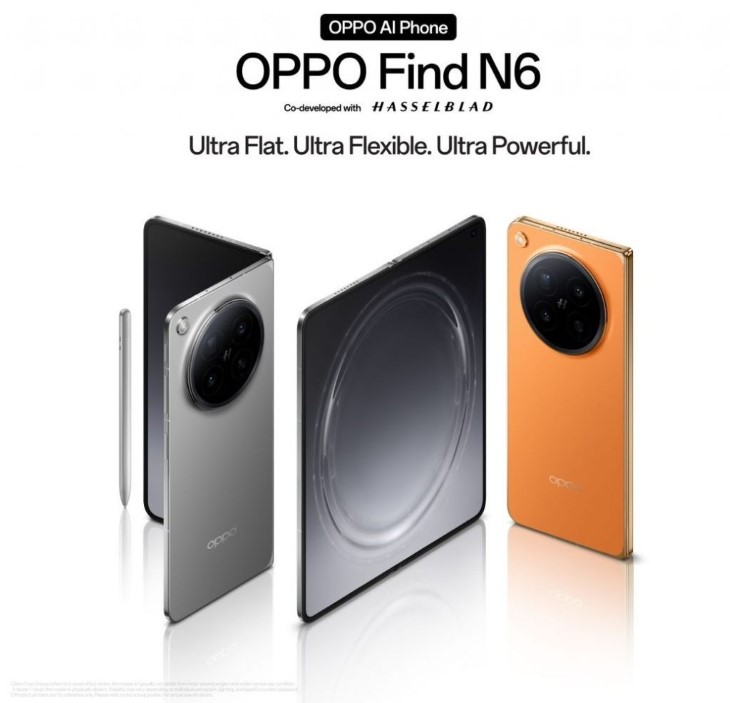
Inner Display: 8.12 inches OLED
Outer Display: Approximately 6.3 inches OLED
Refresh Rate: 120Hz (both)
Memory: 12GB/16GB RAM
Storage: 256GB/512GB/1TB
Processor: Snapdragon 8 Elite Gen 5
Battery: 6,000 mAh
Charging: 80W wired + 50W wireless
Camera: 200MP main + 50MP telephoto + 50MP ultra + 2MP depth
OS: Android 16 (ColorOS)
Weight: Approximately 215g
Special: Least noticeable foldable crease
Available In: China, select Asian markets (India, Southeast Asia)
NOT Available: USA, Canada, Europe, UK, Australia. Very limited to Asia region.
Advantages
Oppo's Focus on reducing the visible crease has genuinely paid off—reviewers consistently note the Find N6 has the least noticeable crease of any current foldable. The 200MP main camera is a differentiator, capturing incredible detail even when cropping. The 6,000mAh battery with 80W wired and 50W wireless charging provides excellent endurance and speed. The ColorOS interface is refined and feature-rich, with excellent multitasking and customization options. The device balances size and weight well, feeling premium in hand. Oppo's Hasselblad camera tuning delivers natural colors and excellent low-light performance. Fast charging and massive storage options make it competitive. At approximately $1,800, the value proposition is reasonable given the specifications. Performance is excellent for gaming, creative apps, and multitasking.
Disadvantages
Like Honor, Oppo Find N6 has extremely limited North American availability, with primary distribution in China and select Asian markets. The crease reduction innovation, while impressive, adds complexity to the hinge mechanism, potentially affecting long-term durability. ColorOS has historically been criticized for aggressive pre-installed apps and bloatware, requiring significant de-cluttering. Software update support is shorter than Samsung or Google, with unclear policies for many markets. The 200MP camera, while impressive on paper, doesn't proportionally improve practical photography over the 50MP setups in competitors—it adds complexity rather than tangible benefits. Repair and customer service outside Asia are extremely limited. The device doesn't bring meaningful innovation in battery or processor compared to Motorola and Honor. Thermal performance can occasionally cause throttling under sustained heavy use. Limited international warranty coverage makes purchasing outside Asia risky. App compatibility with Western services can be inconsistent. The ultra-large storage options drive prices above $2,000, making it an expensive proposition even in its home markets.
Final Thoughts: Choosing Your 2026 Foldable
The 2026 foldable market is remarkably mature and truly global. For USA/Canada residents: Samsung Galaxy Z Fold 8 Ultra and Z Flip 8, Google Pixel 11 Pro Fold, and Motorola Razr Fold are your available options. For Europe/UK/Australia: Samsung and Google are your primary choices. For Asia/China: You have access to Honor Magic V6, Oppo Find N6, and Xiaomi Mix Fold 5 in addition to Samsung and Google, offering exceptional value and features.
Your choice depends on location and priorities: In North America, Motorola Razr Fold offers unbeatable camera and battery value at $1,900. For USA/Europe/Australia, Samsung's Galaxy Z Fold 8 Ultra ($2,100) or Standard ($1,900) provide global availability and seven-year support. For integrated AI and guaranteed longevity, Google Pixel 11 Pro Fold ($1,900) leads in software experience. For Asian buyers, Honor Magic V6 and Oppo Find N6 provide superior battery life, charging speeds, and value at ~$1,400-1,800. For Chinese consumers specifically, Xiaomi Mix Fold 5 (~$1,400) offers bold custom silicon at aggressive pricing, though China-only availability. For stylus productivity, Honor Magic V6 is your answer. Ultimately, all 2026 foldables represent genuine functional improvements over previous generations, with meaningful battery, durability, and performance gains making them worthwhile upgrades for existing foldable owners.