
If it feels like scammers are getting smarter, you're not imagining it. In 2025, Americans over 60 reported losing a staggering $7.7 billion to online fraud, a jump of nearly 60 percent from the year before, with the average victim losing around $38,500. And for the first time ever, the FBI now tracks artificial intelligence as a factor in these crimes, because criminals are using it to clone voices, fake videos, and write flawless messages that are harder than ever to spot.
But here's the good news: every one of these scams has telltale signs, and once you know them, you become a much harder target. Informed people are exactly the people scammers avoid. So let's walk through the seven most common online scams targeting people over 50 right now, and the simple habits that will keep your money and your peace of mind safe.
1. The AI Voice-Cloning "Grandparent" Scam
The old grandparent scam just got a chilling upgrade. It used to be a stranger claiming to be your grandchild in trouble. Now, scammers can take just a few seconds of audio from a social media video or voicemail greeting and create a clone of your loved one's actual voice. The phone rings, and you hear your grandson, panicked, saying he's been in an accident or arrested and needs money wired immediately.
How to spot it: The pressure to act fast and keep it secret is the giveaway. Real emergencies don't require gift cards, wire transfers, or cryptocurrency. Hang up and call your family member back on the number you already have saved. Better yet, agree on a family code word today, a simple question only the real person could answer.
2. Fake Investment and Cryptocurrency Schemes
This is the single most expensive scam for older Americans, draining over $3.5 billion in 2025 alone. It often starts innocently: a friendly message on social media, a "wrong number" text that turns into a chat, or an online friendship that slowly shifts to talk of an amazing investment opportunity. Victims are shown professional-looking trading platforms with impressive returns, but the dashboards are fake, and the money is gone the moment it's sent.
How to spot it: Anyone who promises "guaranteed" high returns is lying, full stop. Be especially wary of anyone you've only met online who brings up investing, and never send money to a trading platform recommended by an internet acquaintance, no matter how long you've been chatting.
3. Tech Support Scams
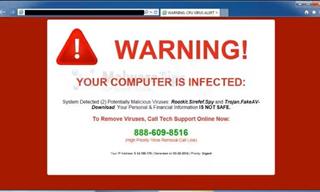
A scary pop-up appears on your screen: "Your computer is infected! Call Microsoft now!" Or the phone rings and it's "Apple support" warning that your account has been hacked. These scams cost older Americans over $1 billion last year. The scammer's goal is to get remote access to your computer or convince you to "protect" your money by moving it, straight into their pockets.

How to spot it: Microsoft, Apple, and Amazon will never call you out of the blue, and no legitimate warning ever includes a phone number to call. If a pop-up locks your screen, don't call the number. Simply restart your computer. And never, ever let a stranger connect to your computer remotely.
4. Government Impersonation Scams
The caller says they're from the IRS, Social Security, or Medicare, and something is terribly wrong: your benefits are being suspended, there's a warrant for your arrest, or your Social Security number was used in a crime. The fear is the point. Frightened people make quick decisions, and quick decisions are what scammers count on.

How to spot it: Government agencies communicate by mail, not threatening phone calls, and they will never demand payment by gift card, wire transfer, or Bitcoin ATM. No real official will ever tell you to withdraw cash or "verify" your Social Security number over the phone. When in doubt, hang up and call the agency directly using the number on their official website.
5. Romance Scams
Loneliness is human, and scammers exploit it ruthlessly. They create attractive profiles on dating sites and social media, often claiming to work overseas or serve in the military, which conveniently explains why they can never meet in person. They invest weeks or months building genuine-feeling affection before the requests begin: a medical emergency, a plane ticket, a customs fee. These scams cost older Americans over half a billion dollars last year.

How to spot it: Watch for someone who professes deep love unusually quickly, always has an excuse to avoid video calls, and eventually asks for money or gift cards. A simple test: ask for a spontaneous video chat. And remember, no one who truly loves you will ever ask you to prove it with a wire transfer.
6. Phishing Emails and Texts

These are the fake messages pretending to be from your bank, Amazon, PayPal, or a delivery service. "Your package couldn't be delivered, click here." "Suspicious activity on your account, verify now." The links lead to convincing copycat websites designed to steal your passwords and card numbers. Thanks to AI, the sloppy grammar that once gave these away is largely gone, so the old advice of "look for spelling mistakes" no longer works.
How to spot it: Urgency is the red flag, not grammar. Legitimate companies don't threaten to close your account within hours. Never click links in unexpected messages. Instead, go directly to the company's website by typing the address yourself, or call the number on the back of your bank card.
7. The "Recovery" Scam: When They Come Back Twice
This one is especially cruel. After someone has been scammed, criminals return posing as FBI agents, lawyers, or "fund recovery specialists" who promise to get the stolen money back, for an upfront fee. Victims, desperate to undo the damage, get robbed a second time. Scammers even share and sell lists of previous victims, which is why one scam often leads to more calls.
How to spot it: No legitimate law enforcement agency or lawyer will ever call you unprompted and demand payment to recover stolen funds. Real agencies never charge victims fees. If you've been scammed and someone calls offering to fix it, that call is part of the scam.
The Golden Rules That Defeat Every Scam
Notice the pattern? Every single one of these scams relies on the same three ingredients: urgency, secrecy, and unusual payment methods. So protect yourself with three simple habits:
Slow down. Scammers manufacture panic because calm people don't fall for scams. Any request that can't wait 24 hours is almost certainly fraud.
Verify independently. Whoever calls, texts, or emails you, hang up and contact the person or organization yourself using a number you already know is real.
Watch the payment method. Gift cards, wire transfers, cryptocurrency, and cash handed to couriers are the currencies of crime. No legitimate business or government agency accepts them.
And if you or someone you love has been scammed, don't let embarrassment keep you silent. It happens to smart, careful people every day. Report it to the FBI's Internet Crime Complaint Center at ic3.gov and contact your bank immediately, because acting within the first hours dramatically improves the chances of recovering your money. Sharing your story might feel uncomfortable, but it's one of the most powerful ways to protect the people you care about.