A fall is one of those things that can change everything in an instant. A single stumble on a loose rug or a dark stair can lead to a broken hip, a lengthy recovery, and, for many, a lasting loss of the independence they treasure. It is a sobering fact that falls are the leading cause of injury among older adults, with more than one in four experiencing a fall each year.
Here is the reassuring other half of that fact: most falls happen at home, and the great majority of home hazards can be fixed in an afternoon, often for very little money. You do not need to wait for something to go wrong. Walk through your home, room by room, with this checklist in hand, and quietly remove the dangers before they find you. Here is exactly what to look for and what to do about it.
Throughout the Whole Home

A few principles apply everywhere, and they head off a surprising share of falls:
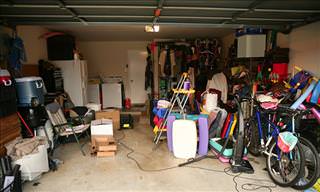
- Clear the walkways. Keep floors and paths free of clutter, shoes, books, cords, and anything else you might trip over. Make sure you can walk through every room without weaving around furniture.
- Deal with the rugs. Loose throw rugs are one of the most common causes of falls. Remove them where you can, or secure them firmly with double-sided tape or a non-slip backing so they cannot slide or bunch up.
- Brighten everything. Put brighter bulbs in your lamps and fixtures, and aim for even, shadow-free light in every room. Good lighting is one of the simplest and most powerful protections there is.
- Add night lights. Place night lights, ideally the motion-activated kind, along the routes you walk after dark, especially between the bedroom and the bathroom.
- Tuck away the cords. Run electrical and telephone cords along the walls, never across a walkway.
- Wear the right footwear. Sturdy, well-fitting shoes with non-slip soles are far safer than socks, loose slippers, or bare feet, indoors as well as out.
The Bathroom

Small, hard, and often wet, the bathroom is where many of the most serious falls happen. It deserves the most attention of all.
- Install grab bars inside and beside the tub or shower, and next to the toilet. These must be bolted securely into the wall, not the flimsy suction-cup kind, which can give way.
- Put non-slip mats or adhesive strips on the floor of the tub and shower, where surfaces get slippery.
- Place a non-slip mat on the floor outside the tub for stepping out onto.
- Consider a shower chair or bench so you can sit while washing, and a handheld shower head to go with it.
- Consider a raised toilet seat, with handrails if helpful, which makes sitting and rising much easier.
- Keep a night light on in the bathroom, since it is such a frequent nighttime destination.
Stairs and Steps
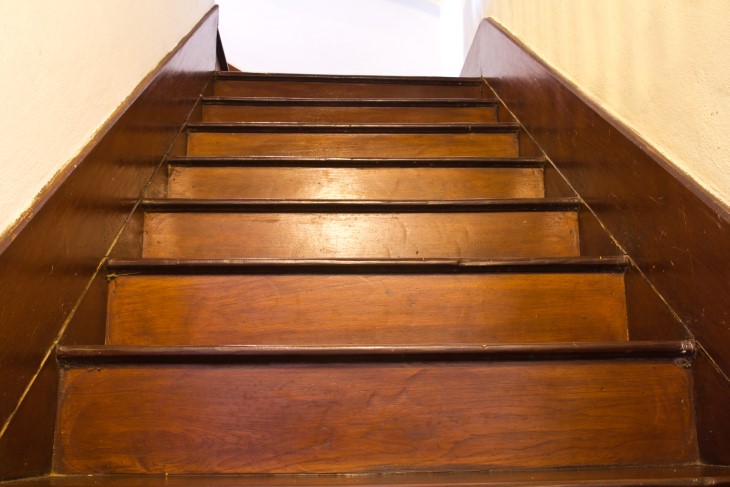
Stairs, both indoors and out, are a leading spot for serious falls, so go over them carefully.
- Fit sturdy handrails on both sides of the staircase, running the full length, and ideally extending a little past the top and bottom steps.
- Make sure there is a light switch at both the top and the bottom, so you never climb or descend in the dark, and keep the whole staircase brightly and evenly lit.
- Repair any loose, broken, or uneven steps, and make sure any carpet is firmly fastened down.
- Never leave objects on the stairs, not even briefly.
- To help aging eyes judge the edges, consider a strip of brightly colored, non-slip tape along the lip of each step.
The Bedroom

Since we navigate the bedroom half-asleep and in the dark, a few changes here make a real difference.
- Place a lamp within easy reach of the bed, so you never have to cross a dark room to reach a light.
- Set up a night light or motion-activated light on the path from the bed to the bathroom.
- Keep a phone, well charged or a landline, and a flashlight beside the bed in case of a power cut or emergency.
- Clear the floor around the bed of clutter, cords, and stray shoes.
- Make sure the bed is a comfortable height for getting in and out without a struggle.
- Rise slowly. Sit on the edge of the bed for a moment before standing, since standing too quickly can cause a spell of dizziness.
The Kitchen
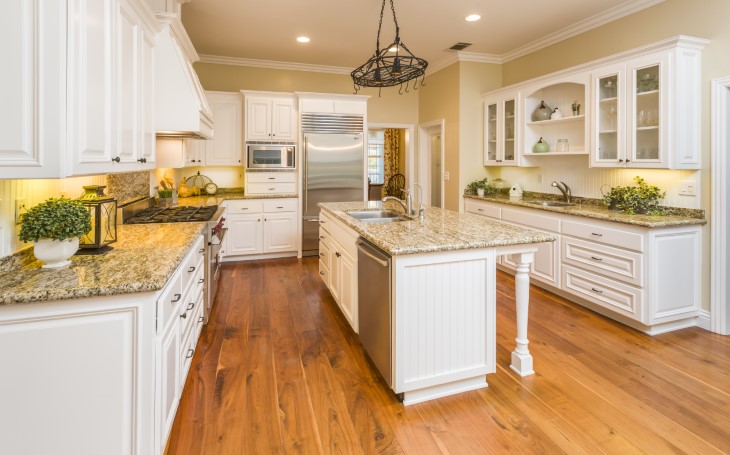
The kitchen involves a lot of reaching, bending, and carrying, all of which can throw you off balance.
- Keep the pots, pans, and dishes you use most often within easy reach, between waist and shoulder height, so you avoid climbing or deep bending.
- Never use a chair as a step stool. If you must reach a high shelf, use a sturdy, purpose-made step stool with a handrail, or simply move those items lower.
- Wipe up spills and splatters the moment they happen, since a wet floor is treacherous underfoot.
- Use non-slip mats in front of the sink where water tends to gather.
- Keep the floor clear and make sure the room is well lit.
Living Areas and Hallways

- Arrange the furniture so there is a clear, wide path to walk through, with nothing to sidestep.
- Make sure chairs and sofas are firm and high enough to rise from easily. A seat that is too low or too soft is hard to get out of.
- Keep hallways brightly lit and completely clear.
- Remove or secure any rugs, and tuck away all cords.
- Make sure the telephone is easy to reach, so you are never tempted to rush across a room to answer it.
Entrances and Outdoors
-
The approach to your home deserves as much care as the rooms inside, because outdoor steps and paths combine hard surfaces with the extra hazards of weather, dim light, and the awkward business of juggling keys and shopping. A few improvements make coming and going far safer.

- Steady the steps. Fit sturdy handrails on both sides of any outdoor steps, firmly anchored against the weather, and repair cracked or uneven steps and wobbly paving promptly. Non-slip treads, and a strip of bright, weatherproof tape along each step edge, help aging eyes judge where one step ends and the next begins.
- Keep the paths even and clean. Tree roots, frost, and time can heave paving up into a trip hazard, so have raised or cracked sections repaired. Scrub away moss, algae, and wet leaves, which turn a path treacherous the moment it rains, and keep walkways clear of hoses, tools, and clutter.
- Light the way generously. Light every entrance brightly, with a switch you can reach before stepping out into the dark and another for coming home. Motion-activated lights that come on as you approach are ideal when your hands are full, and solar or low-voltage lights along the walkway guide your steps. Leave a porch light on whenever you expect to return after dark, and light your house number so visitors and emergency services can find you quickly.
- Mind the threshold and the doormat. Reduce high doorway thresholds where you can, or paint them a contrasting color so they are easy to see and step over. Secure doormats with a non-slip backing and replace any with curling edges, since a mat that slides underfoot is worse than no mat at all.
- Sort out the keys before you reach the door. Have your keys in hand before you arrive, so you are not fumbling on the top step in the dark, and fit a small shelf or ledge beside the door to rest parcels on while you unlock. A grab bar or sturdy handle by the entrance gives you something firm to hold, and a keyless lock removes the fumbling altogether.
- Respect the weather. In icy conditions, clear and grit the paths and steps before you use them, keep a tub of salt or grit by the door, and never hurry across a wet or frosty surface. Sweep away wet autumn leaves promptly, since they can be as slippery as ice, and keep your gutters clear so water does not drip and freeze into a hidden sheet of ice across the walkway.
- Wear the right shoes outdoors. Sturdy shoes with good grip make a real difference on uneven or slippery ground, and a boot tray just inside the door means you are not walking wet, slippery soles onto your indoor floors.
Beyond the House: Protecting Yourself
Fixing the home is only half the picture. A few habits protect the body that moves through it:
- Stay active. Regular activity that builds strength and balance, such as walking, tai chi, or simple leg exercises, is one of the most effective ways of all to prevent falls.
- Have your eyes checked. Keep your vision and your glasses up to date, since poor sight is a major hidden cause of falls.
- Review your medications. Ask your doctor or pharmacist whether any of your medicines can cause dizziness or drowsiness, as several common ones do.
- Rise slowly from sitting or lying down, giving your body a moment to adjust.
- Carry a phone or wear a help button, so that if you ever do fall, you can summon assistance quickly.