
Few things make the skin crawl quite like flicking on the kitchen light at night and watching something dark scurry for cover. Cockroaches are more than just unpleasant to look at. They contaminate food, trigger allergies and asthma, and multiply so quickly that a small problem can become a serious one in a matter of weeks. The good news is that you do not need an expensive monthly contract to win this battle. With one inexpensive powder and an afternoon of work, you can knock out an infestation and keep them from coming back all summer long.
Here is a complete, practical plan for reclaiming your home.
1. Why Summer is Peak Roach Season
Cockroaches are cold-blooded, which means the summer heat speeds up everything they do. They grow faster, move faster, and breed faster. A single female can produce dozens of offspring from just one egg case, and in warm weather she produces those cases more often. That is why a couple of roaches in June can turn into a full infestation by August.
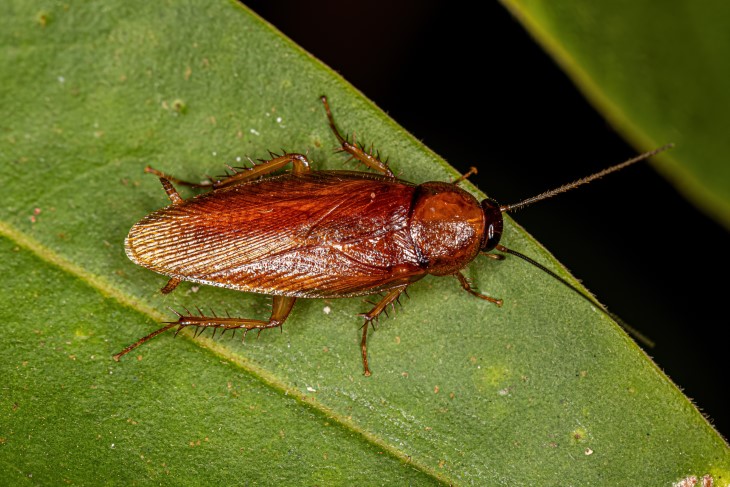
Heat also drives them indoors. When outdoor temperatures climb past 90°F (32°C), roaches that normally live in mulch beds, wood piles, and drains go looking for somewhere cooler and more stable. Your air-conditioned home, with its steady moisture and food supply, is exactly what they are hunting for. It is worth remembering that they need water even more than food. An adult roach can survive weeks without a meal but only days without moisture, which is why kitchens and bathrooms are their favorite hiding spots.
One important sign to watch for: if you see roaches during the daytime, it usually means the population has grown large enough that they are being crowded out of their hiding places. For every roach you spot, there are likely many more tucked away inside your walls.
2. The Secret Weapon: Boric Acid
The single most effective and affordable tool against roaches is boric acid, a fine white powder made from boron, a naturally occurring mineral. You can find it in many hardware stores, sometimes sold under names like Roach Prufe, and it is widely available online for just a few dollars a pound. A single pound is enough to treat a whole house with plenty left to share.
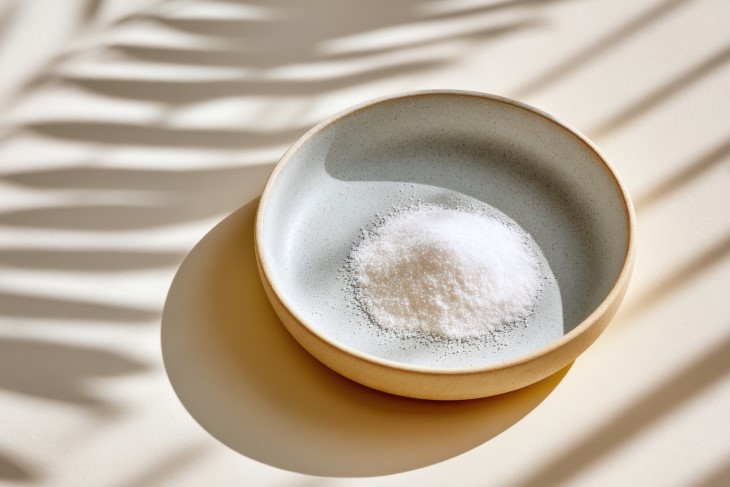
What makes boric acid so powerful is the way it works. On its own it is not tempting to roaches, so you mix it into a sweet, starchy bait that they cannot resist. When a roach eats the bait, the boric acid acts as a stomach poison and also damages its exoskeleton, causing it to dehydrate. The truly clever part is what happens next. Roaches groom themselves and each other, feed on one another, and even eat each other's droppings back at the nest. A single roach that carries the bait home can end up killing many others you never even saw. It is not pretty, but it means the poison reaches deep into the colony.
Two more advantages are worth knowing. Roaches almost never develop resistance to boric acid the way they do to chemical sprays, and as long as it stays dry, it keeps working for months. A single well-placed dab can protect a spot long after you have forgotten it is there.
3. What You Will Need
Gathering your supplies takes just a few minutes. Here is your simple shopping list:
Boric acid powder (the active ingredient)
Flour (any kind works, such as white, whole wheat, or rice flour)
A sweetener such as sugar, honey, corn syrup, maple syrup, or a simple syrup of sugar and water
A mixing bowl you will not use for food again, or a disposable one
A popsicle stick or plastic spoon for scooping and dabbing
Disposable gloves and a dust mask for mixing

A word of caution before you start: boric acid is far less toxic to people and pets than most chemical pesticides, but it is not harmless. You do not want to inhale it, get it in your eyes, or swallow it. Mix your bait outdoors or in a well-ventilated spot, wear a dust mask and gloves while you work, and wash your hands thoroughly afterward.
4. How to Mix the Bait
The goal is a thick paste, roughly the consistency of peanut butter, that holds its shape. A good starting ratio is one part boric acid to about two or three parts of a sweet, starchy mixture. Keeping the boric acid on the lower side is important, because if the bait is too strong the roach will die on the spot instead of carrying it back to share with the colony.
For an average home, try this recipe:
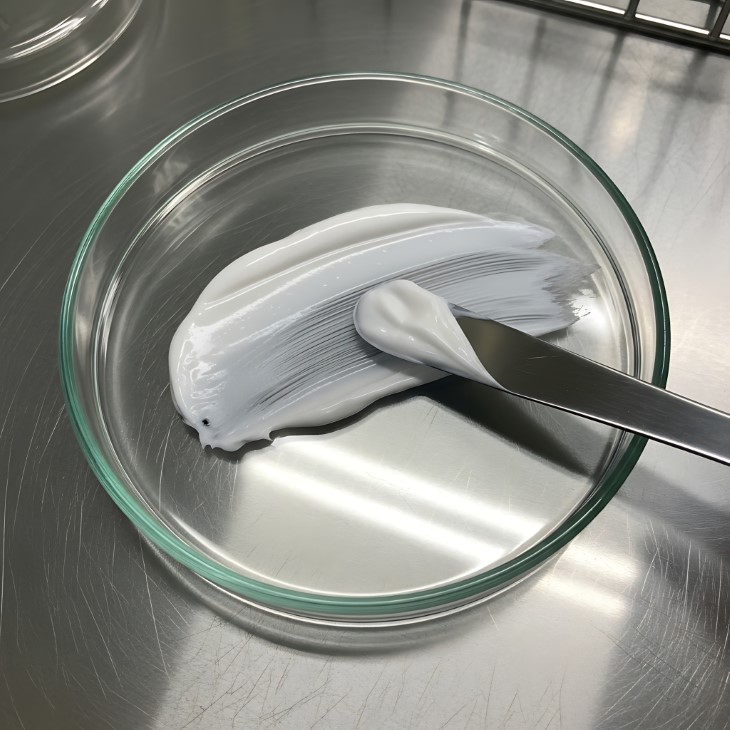
Combine the dry ingredients first, then add your sweetener a little at a time, stirring until you reach that peanut butter texture. If you do not finish placing all the bait in one day, cover the bowl and store it in the refrigerator, clearly labeled and out of reach, and it will stay workable for a day or two. Once you are done, seal the leftover bait and the bowl and tuck them somewhere safe, such as an attic or crawl space.
5. Where to Place the Bait
Placement is everything. You want the bait exactly where roaches already travel, which means dark, warm, and close to water. Using your popsicle stick, place small, pea-sized dabs, not big piles, in these spots:
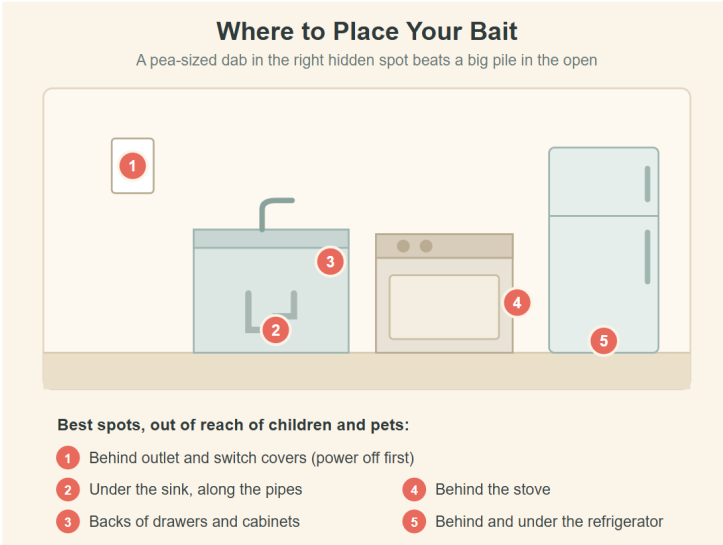
The bait is not sticky, so choose flat, tucked-away surfaces where a dab can simply sit. As it dries it hardens and stays put. Take your time. Doing a thorough job on the first pass makes all the difference, and roaches, having no bones, can squeeze through the tiniest gaps, so the more hidden pathways you cover, the better.
6. Keeping Children and Pets Safe
This step deserves real attention, especially in homes with little ones or curious pets. Because the bait is sweet, it can be tempting to a dog, cat, or small child, so every placement must be somewhere they truly cannot reach.
Stick to hidden voids: behind heavy appliances, deep under sinks, inside wall cavities behind outlet covers, and in cabinets fitted with child locks. Never sprinkle loose powder across open floors, counters, or anywhere a child or animal could touch it. If you would prefer not to mix your own bait at all, enclosed gel bait stations from the store use a similar principle and are much harder for children and pets to get into. And if you ever suspect that a child or pet has swallowed any, call your doctor, poison control, or your veterinarian right away.
7. Be Patient, Then Reapply
Boric acid is not a spray that drops roaches instantly, and that slowness is actually the point. It can take a couple of weeks for the bait to work its way through the colony, so resist the urge to declare failure after a few days. You may even notice more activity at first as roaches come out to feed.
Check your bait every few weeks. If it has dried out, hardened completely, or become covered in dust, freshen it up, since roaches prefer a fresh meal. Many people find that a single thorough treatment keeps roaches away for a very long time, with just an occasional touch-up once or twice a year to stay ahead of them.
8. Keeping Them Away All Summer
Killing the roaches you have is only half the job. The other half is making your home a place they do not want to be. Think of it as cutting off their three basic needs: water, food, and shelter.
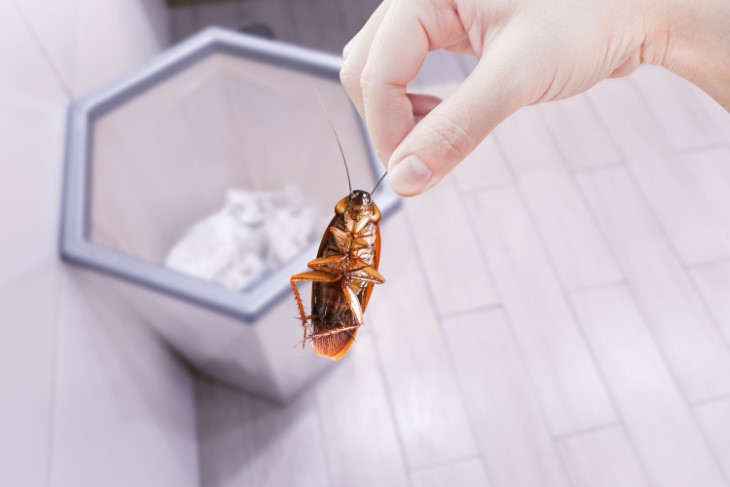
Cut off the water. This is the big one, since moisture matters more to roaches than food. Fix dripping faucets and leaky pipes promptly. Wipe down sinks, tubs, and counters before bed so no water sits overnight. Empty pet water bowls at night if you can, and consider a small dehumidifier for a damp basement or bathroom.
Cut off the food. Store food, including pet food, in tightly sealed containers rather than open bags or boxes. Wipe up crumbs and spills right away, and pay special attention to grease behind the stove and under the refrigerator. Do not leave dirty dishes overnight, take out the trash regularly, and keep bins covered with tight-fitting lids. A quick nightly wipe-down of the kitchen makes a surprising difference.
Seal the entry points. Roaches slip in through the smallest gaps. Walk the outside of your home and caulk cracks around windows, doors, and especially where utility lines and pipes enter the walls. Add or repair weather stripping and door sweeps, and make sure window screens are intact.
Reduce clutter and clean up the yard. Piles of cardboard, paper, and magazines give roaches perfect hiding places, so clear them out, particularly near the kitchen. Outdoors, keep firewood and leaf litter away from the foundation, trim back overgrown bushes, empty containers of standing water, and store garbage bins away from the walls of the house.
9. When to Call a Professional
Home baiting handles the great majority of roach problems, but there are times to bring in help. If the infestation is severe, if it keeps returning despite your best efforts, or if you are dealing with a large multi-unit building where roaches travel between apartments, a professional can inspect for hidden nesting sites, identify the exact species, and apply treatments you cannot buy over the counter. There is no shame in it, and sometimes it is simply the fastest route to peace of mind.