
It has one of the most off-putting names you are ever likely to hear attached to a tidying-up project. Swedish death cleaning. The words alone are enough to make most of us want to close the book and go pour a cup of coffee instead. Yet beneath that gloomy title hides one of the warmest, wisest, and most freeing ideas to come along in years. It is not really about death at all. It is about love, about lightness, and about living the rest of your days surrounded only by the things that truly matter to you.

The idea comes from Sweden, where there is a long-standing tradition called döstädning. The word is a simple blend of two others, dö meaning death and städning meaning cleaning. It describes the gentle, gradual practice of sorting through your belongings and letting go of what you no longer need, so that one day your loved ones will not have to do it for you. It became known around the world thanks to a charming Swedish artist named Margareta Magnusson, who wrote a small, funny, and deeply human book about it. She described herself as somewhere between eighty and one hundred years old, and she passed away in early 2026 at the age of ninety-one, leaving behind not a houseful of clutter but a beautiful idea that continues to help people everywhere.
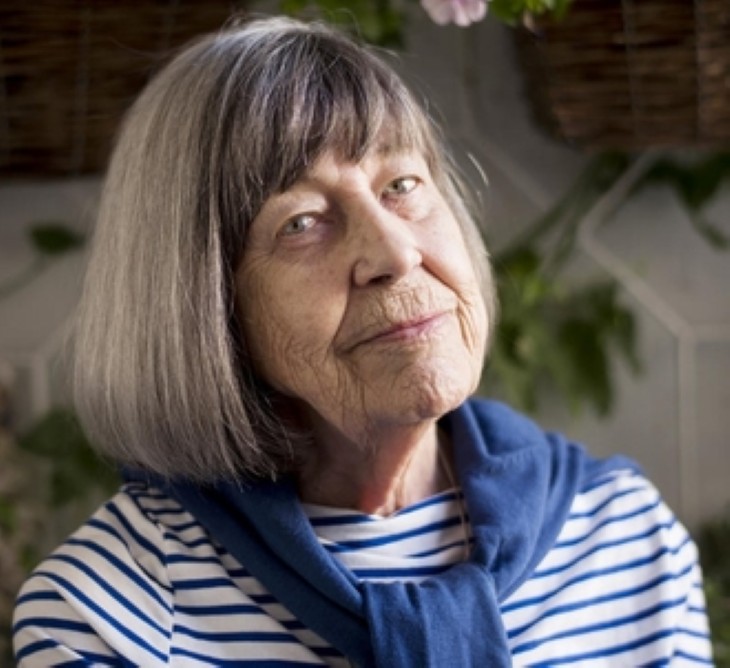
Margareta did not come to this idea as a gloomy person obsessed with the end. She came to it the way so many of us do, by living through the loss of the people she loved. Over the years she found herself sorting through the possessions of her parents, her husband of nearly fifty years, and others dear to her. She knew firsthand how heavy that task can be, not just physically but emotionally, to stand in a quiet house deciding the fate of every last teacup and letter while your heart is already aching.
And so her message was a simple and generous one. Why leave that burden to the people you love most, at the very moment they are grieving you? Why not handle it yourself now, calmly and with a smile, while you still have the energy and the clarity to enjoy the process? We spend our whole lives cleaning up after ourselves. This is simply a way of tidying up before, rather than leaving the job to others after.
Here is the part that surprises almost everyone. Far from being morbid, death cleaning turns out to be a genuine act of love. When you thin out your possessions yourself, you are giving your children and your family an extraordinary gift. You are sparing them weeks of difficult decisions, the renting of dumpsters, the aching guilt of throwing away things they think you might have treasured. Instead of leaving behind a mountain of mystery, you leave behind a home that already makes sense.
This is what sets the Swedish approach apart from other tidying trends you may have heard of. It is not about chasing a perfect, magazine-ready home, and it is not only about keeping what sparks a flicker of joy. It is about legacy, responsibility, and the relationships that matter to you. There is a lovely truth tucked inside it, which is that the way we handle our belongings often mirrors the way we handle our love for one another. Tending to your things with care becomes a quiet way of tending to your family.
While the practice is rooted in kindness toward others, the person who benefits most may well be you. There is a remarkable lightness that comes from living without the weight of decades of accumulated stuff. Closets stop overflowing. Drawers close easily. You can actually find the things you use and love, because they are no longer buried beneath the things you do not.
Margareta often said that once she was unburdened by all that baggage, both the physical kind and the emotional kind, she was finally free to focus on what made each ordinary day worth living. That is the secret hiding inside the grim-sounding name. Death cleaning is really a kind of life cleaning. It clears away the clutter that quietly drains our attention and leaves room for the simple pleasures, the people, and the routines that bring us happiness right now.
If the whole idea sounds like a mountain too tall to climb, take heart, because the Swedish way is wonderfully gentle. There is no deadline and no single right method. You can move as slowly as you please, a drawer here, a shelf there, over many quiet months or even years. This is not a frantic weekend purge. It is a relaxed and ongoing way of living.
The most important tip is to start small and start easy. Do not, whatever you do, begin with the old photographs and the cherished keepsakes. Those will send you tumbling happily down memory lane, and you may never sort another thing. Instead, begin somewhere with little emotional weight. A closet of clothes you no longer wear is a perfect first step. So is a kitchen drawer full of duplicate gadgets, a box of tangled cords, a stack of outdated electronics, or that corner of the attic, basement, or garage holding things you forgot you even owned. These easy wins build momentum and confidence, and the cherished, sentimental items can wait until the very end, once you have found your rhythm.
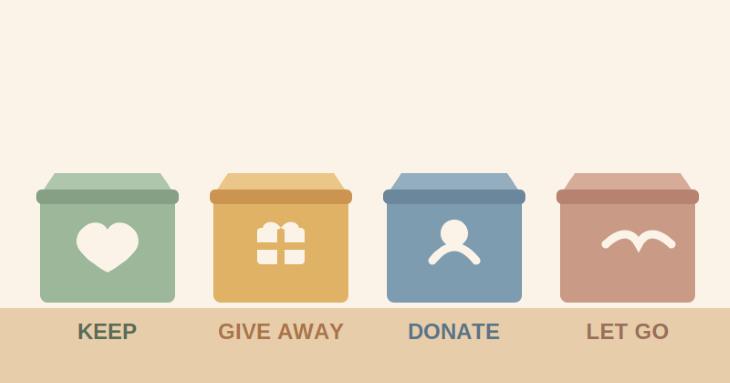
As you go, it helps to sort things into a few simple groups. One pile to keep, one to give away to someone special, one to donate, and one to discard. A gentle set of questions can guide nearly every decision. When did I last use this? Do I truly need it now? Would I really miss it if it were gone? You will be surprised how often the honest answer makes the choice for you. For treasured photographs, consider scanning the most meaningful ones into a digital album, so the memories live on without filling another box.
One of the loveliest parts of this whole practice is that you need not do it alone. In fact, telling your family that you have begun is one of the best first steps you can take. It invites them to support you, and it opens the door to warm and meaningful conversations that many families otherwise tiptoe around for years.
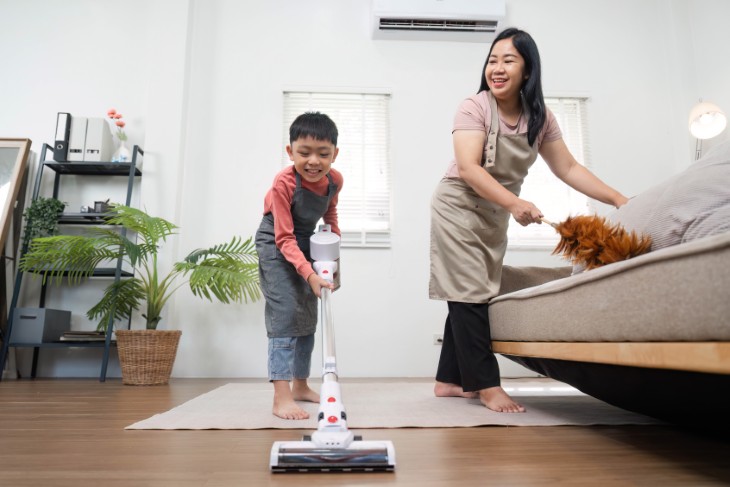
Invite your children or grandchildren to say what they would genuinely love to have. You may be gently surprised to learn that the collection of decorative plates you imagined they were longing for holds no appeal at all, while a humble mixing bowl or a particular book turns out to mean the world to them. Best of all, when you hand a beloved object to someone you love while you are still here, you get to tell them the story behind it and watch their face light up. That is a joy no estate sale could ever provide.
It would be dishonest to pretend the process is always easy. Sorting through a lifetime of belongings means meeting a lifetime of memories, and some of them will bring a lump to your throat. That is not a flaw in the practice. It is part of its quiet beauty. Allow yourself to laugh, to remember, and to shed a tear when one comes. Be patient and kind with yourself, and remember to reward your efforts now and then, ideally with a treat like a film or a nice meal rather than a new trinket to replace the ones you just cleared away.
In the end, Swedish death cleaning is far less about endings than it is about peace. It is a way of saying thank you to the life you have lived, of caring for the people you will one day leave behind, and of choosing to spend your remaining years light, unburdened, and surrounded only by what you love. For something with such a heavy name, it is a remarkably uplifting gift, both to give and to receive.