Your washing machine is probably one of the hardest working appliances in your home, but most of us only ask it to freshen clothes, towels, and bedding. Cleaning professionals say the machine can handle far more than that. Plenty of everyday household items collect dust, germs, and grime over time, and many of them can go straight into the wash instead of being scrubbed by hand or thrown away.
The secret is choosing the right settings. A gentle cycle, cool or warm water, and a mild detergent will clean most items without damaging them. Delicate pieces do best when they are tucked inside a mesh laundry bag or a pillowcase, which protects them from the machine's agitation. And when you are not sure whether something can handle a full cycle, it is always wise to spot clean or hand wash it first. Here are ten items you may never have thought to toss in the wash.
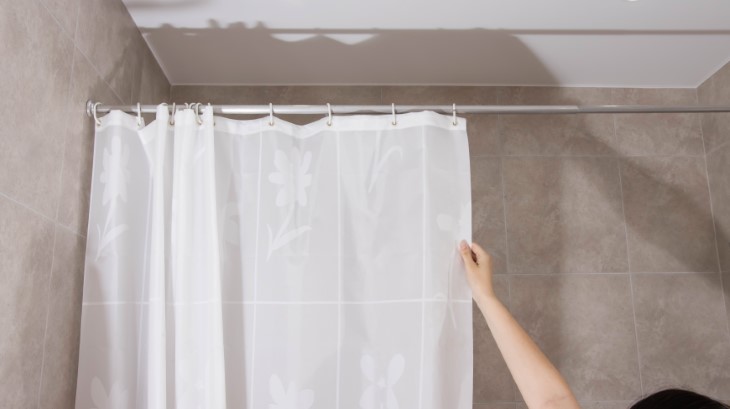
Do not let the plastic fool you. Most shower curtain liners can go right into a cool or warm gentle cycle with a mild detergent. The machine's gentle agitation loosens the filmy soap scum and pink mildew that build up over months of use. Washing a grimy liner instead of buying a new one saves money and cuts down on plastic waste, which is a nice bonus. Just be sure to hang it to air dry afterward, because the heat of a dryer can melt or warp the plastic into a crinkled mess. Adding a couple of old towels to the load helps scrub the liner and keeps the drum balanced.
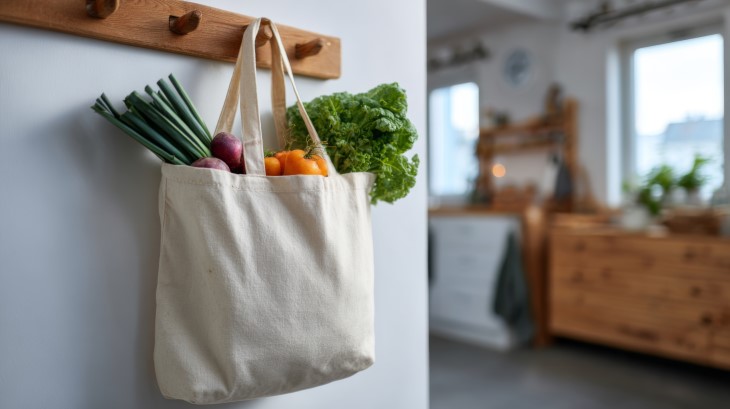
If you have ever cracked an egg or spilled milk inside a reusable grocery bag, you already know how quickly they turn grubby. Even on ordinary trips, these bags collect crumbs, leaks, and bacteria that you would rather keep away from your food. Canvas totes are the easiest to launder, but nylon and polyester bags hold up well in the machine too. A gentle cycle with a mild detergent usually does the trick. Turn the bags inside out first so the seams and corners get properly cleaned, and always glance at the care label before you start, since a few bags with stiff inserts do better washed by hand.
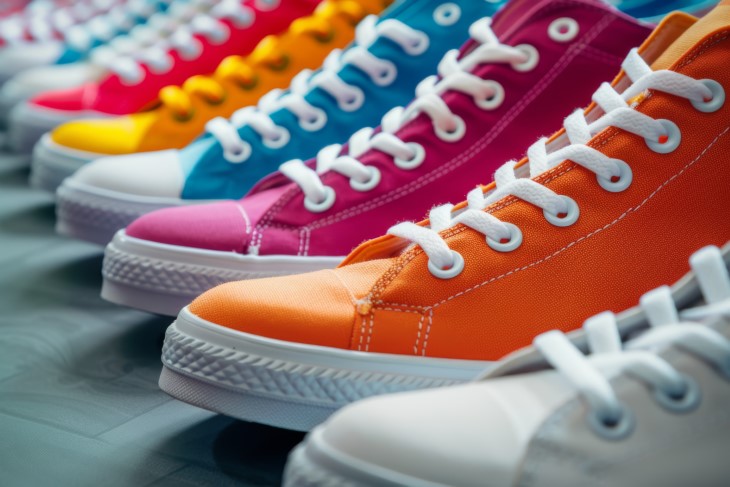
Slip-on canvas shoes and simple sneakers are usually safe to send through the wash. Pop them inside a mesh laundry bag first so they keep their shape and do not get knocked around, and toss in a couple of towels to soften the tumbling. Remove the laces and any loose inserts beforehand, then scrub those separately by hand in lukewarm water with a little dish soap. A mild detergent on a gentle cold cycle will lift away grass stains, mud, and even the dark scuff marks along the soles. Let the shoes air dry completely, since a hot dryer can shrink them or loosen the glue that holds them together.
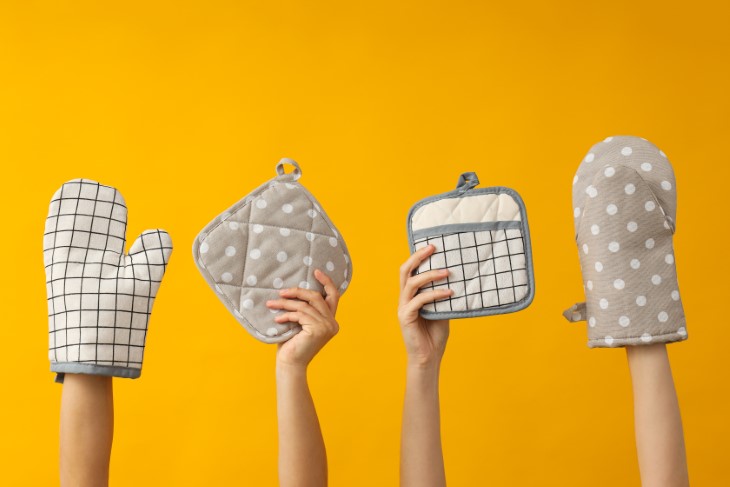
Sauces, grease, and splatters cling to oven mitts every time you pull a hot dish from the oven, and they rarely get the cleaning they deserve. Fabric mitts and potholders can usually be washed in warm water on a normal or gentle cycle. For stubborn baked-on spots, rub in a small dab of dish soap and let it sit for a few minutes before washing. A single cycle is often enough to lift messes as tough as dried-on cheese or barbecue sauce. Skip this trick for mitts filled with foam or silicone padding, and let the fabric ones air dry so they keep their protective thickness.
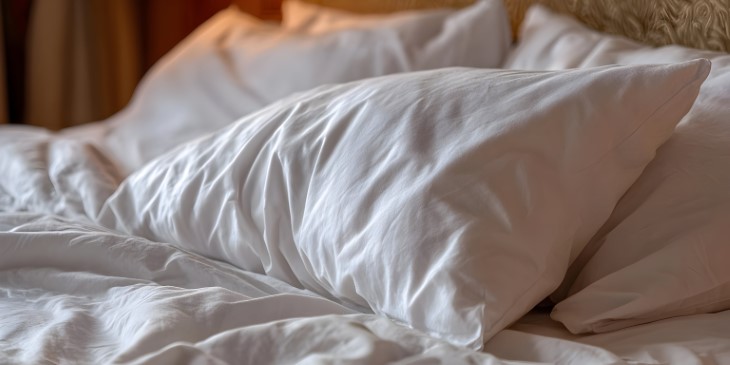
Your pillows quietly absorb sweat, skin cells, oils, and dust mites, so they deserve a wash every three to six months. Always check the care label first, but most pillows filled with cotton, feathers, down, down alternative, or fiberfill can go right into the machine. Use a gentle cold cycle with a mild detergent, and wash two pillows at once to keep the drum balanced. The one big exception is memory foam and latex pillows, which should never go in the machine because water ruins their structure. Dry cotton and synthetic pillows on low heat with a couple of clean tennis balls or dryer balls to keep the filling fluffy.
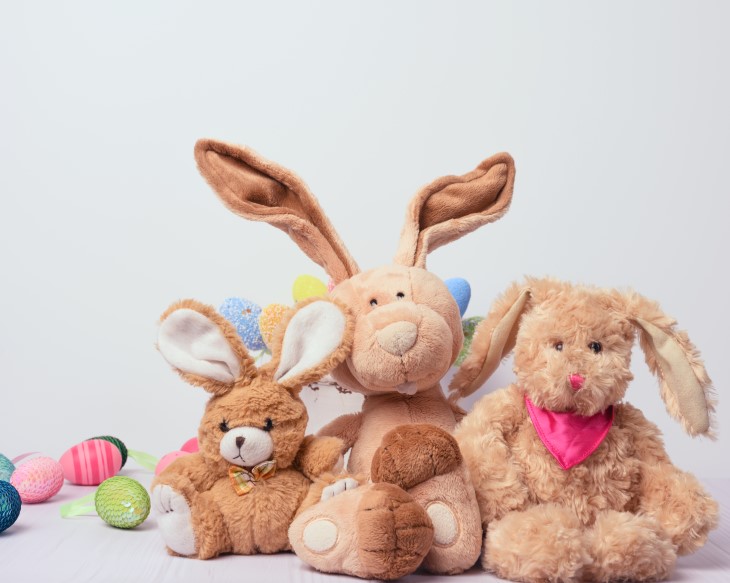
A beloved stuffed animal picks up dirt fast, especially when it tags along to the park, the backyard, or a grandchild's school. Before washing, check that the toy has no foam beads, batteries, or built-in electronics, none of which belong in the machine. If it passes the test, slip it inside a pillowcase and tie the end, then run a gentle cycle with a mild detergent or a fabric-safe sanitizer. Let the toy air dry fully so the stuffing does not clump. For sentimental or fragile toys, spot cleaning by hand is the safer choice.
The rubber or plastic mat in your bathtub is a favorite hiding spot for mold and mildew, which thrive in the damp space between the mat and the tub floor. The good news is that most of these mats can be cleaned in the machine on a gentle cycle. Add a few towels to the load to keep the drum balanced and to stop the suction cups from clinging to the drum walls. Wash in cool water with a mild detergent, then hang the mat over the side of the tub or a towel rack to air dry. A splash of white vinegar in the load helps tackle any lingering mildew smell.
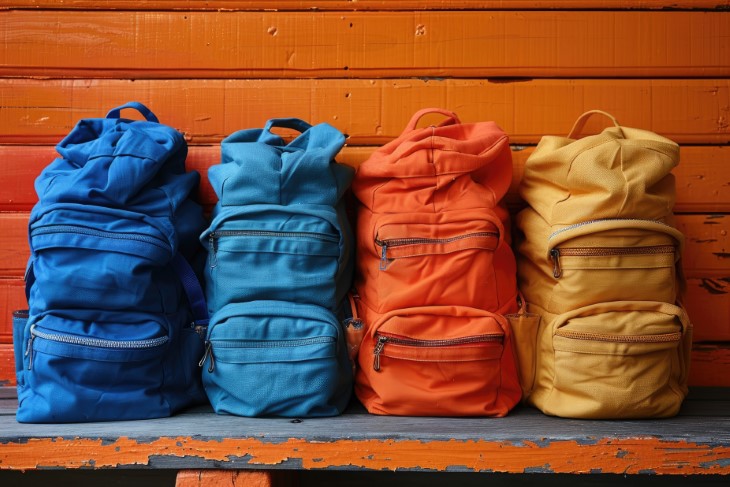
School backpacks, day packs, and insulated lunch bags see a lot of use and almost never get cleaned, which means they carry more crumbs and germs than most people realize. Many nylon and polyester bags handle the machine just fine. First, empty every pocket and shake out the loose debris, then unclip or remove any metal frame or stiff insert. Place the bag inside a mesh laundry bag or a zipped pillowcase to protect the straps and zippers, and run a gentle cold cycle with a mild detergent. Skip leather trim and anything with a hard plastic base, and always air dry rather than machine dry so the padding and coatings stay intact.
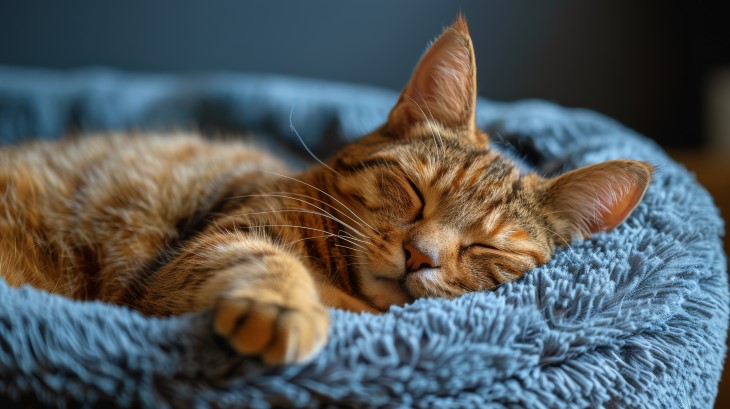
Pet bedding soaks up fur, dander, dirt, and odors, and washing it regularly keeps your home fresher and your pet healthier. Blankets and bed covers with removable, machine-safe liners are the easiest to handle. Shake off the loose hair outdoors first, or run a quick vacuum over the surface, so the fur does not clog your machine. Wash on a warm gentle cycle with a mild, fragrance-free detergent, since strong perfumes can bother a sensitive nose. Check the care tag for washing limits, and for beds with thick foam inserts, wash only the outer cover and spot clean the foam by hand.
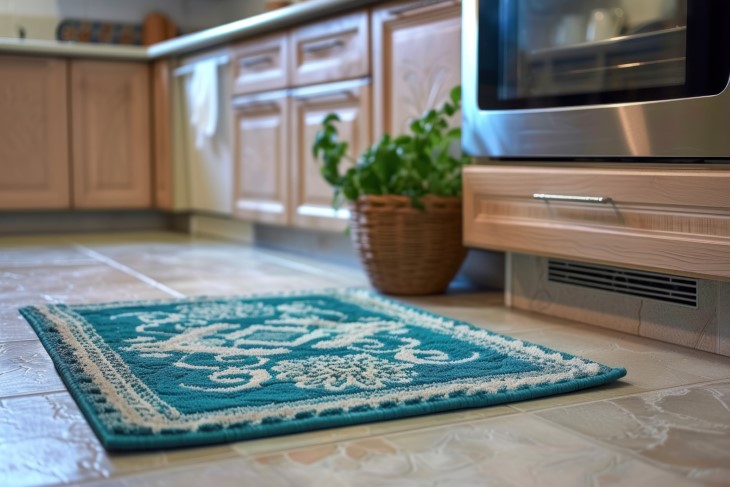
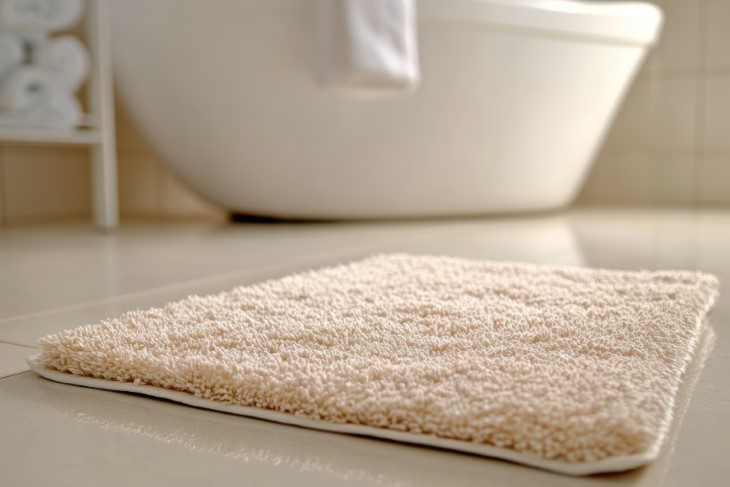
Those small accent rugs by the sink, the stove, and the bathroom door take a daily beating from wet feet, spills, and foot traffic, yet they are easy to overlook on cleaning day. Most cotton and synthetic rugs with a rubber or latex backing can go in the machine on a gentle cold cycle with a mild detergent. Cold water is important here, because hot water can crack or peel the rubber backing over time. Wash one or two rugs at a time to avoid overloading the drum, and hang them to air dry rather than using high heat, which can crumble the backing. Give them a good shake outdoors first to remove loose dirt and hair.