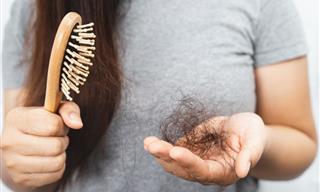

If you're bald, shave your head, or keep your hair buzzed down to stubble, you've probably spent a lot of time thinking about razors and clippers. But there's something just as important that often gets overlooked: the skin underneath. When hair disappears, the scalp becomes just another patch of exposed skin, and it needs the same kind of attention you'd give your face. That means sunscreen, moisturizer, and a bit of extra care depending on your skin tone, sensitivity, and the season. Here's a complete rundown of how to keep the top of your head healthy all year long.
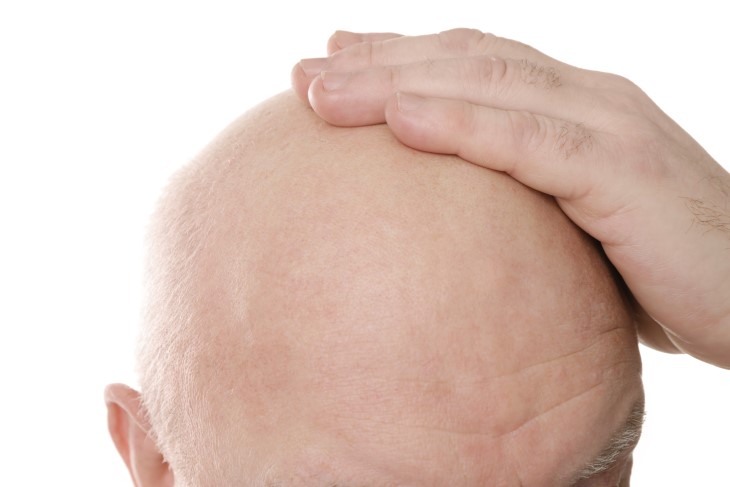
A full head of hair works like a built-in hat, blocking sunlight and holding in moisture. Once that layer is gone, the scalp is left directly exposed to the elements. Skin on the scalp loses water faster than skin on the rest of the body, which is why it can turn dry and flaky more quickly. It's also one of the areas most prone to sun damage, since it usually points straight up toward the sky. Dermatologists frequently point out that the scalp is a common site for both sunburn and skin cancer in men with thinning hair or shaved heads, simply because it rarely gets the same protection as the face or arms. The good news is that a simple routine can go a long way toward keeping this skin comfortable, even toned, and healthy.
Start with a gentle, sulfate-free cleanser rather than a harsh bar soap, which can strip natural oils and leave the scalp tight and irritated. Lukewarm water is better than hot, since hot water pulls moisture out of the skin. After washing or shaving, pat the scalp dry rather than rubbing it, then apply a fragrance-free moisturizer while the skin is still slightly damp. This locks in hydration far better than applying lotion to completely dry skin. A facial moisturizer works fine in a pinch, but a product made specifically for the scalp will usually absorb faster and feel less greasy under a hat.
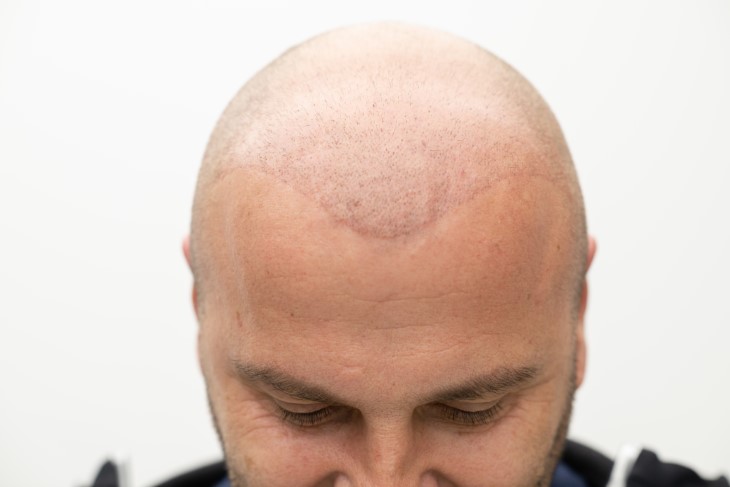
If you shave your head, exfoliating a couple of times a week helps prevent clogged follicles and ingrown hairs. A washcloth or a gentle scrub is enough. There's no need to overdo it, since too much exfoliation can leave sensitive skin irritated.
Warm weather means more time outdoors, and that puts a bare or buzzed scalp at real risk. Sunburn on the head can happen faster than people expect, often within twenty or thirty minutes at midday in the summer sun. A broad-spectrum sunscreen with SPF 30 or higher is the minimum for daily wear, and SPF 50 is a smart choice if you'll be outside for extended periods. Apply it about thirty minutes before heading out, and reapply every two hours, or immediately after swimming or heavy sweating.

Look for a lightweight, non-greasy formula made for the face or scalp rather than a thick body lotion sunscreen, which can feel heavy and clog pores. Spray and mist sunscreens are popular for the scalp because they're quick to apply and don't require rubbing in with your hands. Just make sure to spread the product evenly rather than relying on the spray alone.
A wide brimmed hat or cap is one of the simplest and most reliable forms of protection, and it works even better when paired with sunscreen underneath. On especially hot days, when temperatures climb past 85°F (about 30°C), try to schedule outdoor errands and walks for the morning or early evening, when the sun's rays are less intense.
Cold air outside and dry heat indoors both pull moisture out of the skin, which is why so many bald and buzzed head men notice flaking, tightness, or itchiness once temperatures drop below about 45°F (7°C). The fix is to switch to a heavier, more emollient moisturizer for winter, ideally one with ingredients like ceramides, shea butter, or hyaluronic acid. Apply it daily, right after showering.
Keep showers warm rather than hot, since hot water is especially drying in winter. A humidifier in the bedroom can also help counteract the dry air produced by indoor heating systems. And don't skip sunscreen just because it's cold. UV rays reflect off snow and can still cause sunburn even in freezing temperatures, so it's worth keeping a light SPF moisturizer in the winter rotation, especially for outdoor activities like skiing or long walks.
A soft, breathable hat or beanie helps trap warmth and protect the scalp from wind, but choose one with a smooth lining. Rough or scratchy fabric can irritate skin that's already dry, so it's worth rotating hats and washing them regularly to avoid buildup of sweat and oil.
Men with fair or light skin tend to burn more easily and generally face a higher overall risk of skin cancer, since lower melanin levels offer less natural protection from UV rays. If this describes you, lean toward a higher SPF, ideally 50 or above, and be especially diligent about reapplication. Fair skinned scalps are also more prone to visible sun damage over the years, including age spots, redness, and uneven pigmentation. Keeping the scalp consistently protected from a younger age can prevent much of this from developing in the first place. It's also worth checking the scalp regularly, perhaps with a hand mirror or a partner's help, for any new spots, moles, or patches that look different from the surrounding skin.

Higher melanin levels do provide some natural defense against UV damage, roughly comparable to an SPF of 13 to 15, but that is far from full protection. Men with darker skin still need daily sunscreen, and they still face a real risk of sunburn, premature aging, and skin cancer, even though the overall statistical risk is lower than for fair skinned men. Darker skin is also particularly prone to developing dark spots and hyperpigmentation after sun exposure, irritation, or shaving, so consistent SPF use can help prevent uneven tone from building up over time.
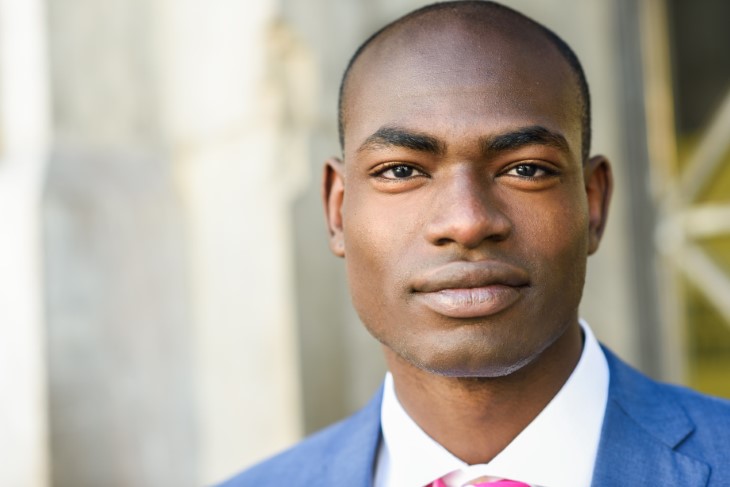
One common complaint with mineral sunscreens, the ones made with zinc oxide or titanium dioxide, is that they can leave a visible white or gray cast on darker skin. If that's an issue, look for sunscreens labeled as tinted, or opt for a chemical sunscreen formula, which tends to blend in more easily. It's also worth knowing that skin cancer can be harder to spot on darker skin, and it sometimes shows up in less expected places. Because of this, regular self checks and a yearly visit to a dermatologist are especially valuable, regardless of how protected the skin has been.
If your scalp tends to react to new products with redness, itching, or breakouts, simplicity is your best friend. Choose fragrance-free, alcohol-free formulas whenever possible, since fragrance and alcohol are two of the most common irritants in grooming products. Always patch test a new sunscreen or moisturizer on a small area before applying it all over, and give it a day or two to see how your skin responds.
For men who shave their heads, sensitive skin often means dealing with razor bumps and irritation after shaving. A few adjustments can make a big difference. Use a sharp, clean blade, and always shave with a lubricating shaving cream or gel rather than dry. Shave in the direction the hair grows rather than against it, and rinse the blade frequently. Many men with sensitive or bump prone skin find that switching to an electric shaver, particularly one designed to contour to the curves of the head, reduces irritation significantly compared to a traditional blade razor. Afterward, apply a soothing, alcohol-free aftershave balm or moisturizer to calm the skin while it's still slightly warm.
If bumps or irritation do appear, a warm compress can help open the pores and ease discomfort. Persistent or painful bumps, especially clusters of small pus-filled spots, are worth mentioning to a doctor, since they may need a topical treatment rather than a simple home fix.
Because it's hard to see the top of your own head without help, the scalp is one of the easiest places for a new mole or unusual spot to go unnoticed. Once a month, take a few minutes with a hand mirror, or ask a partner, barber, or friend to take a look, and watch for anything new, unusually shaped, or changing in color. Catching changes early is one of the simplest ways to protect your long-term health, no matter your skin tone or hair situation.
Taking care of a bald or buzzed scalp doesn't require a complicated routine. A gentle cleanser, a good moisturizer, daily sunscreen, and a little extra attention depending on the season and your skin type will keep the top of your head comfortable, healthy, and looking its best for years to come.