By now, most of us have heard of the new generation of weight-loss and diabetes medications, the ones with names like Ozempic, Wegovy, and Zepbound that seem to be in the news every week. Just as we were getting used to those, a newer and even more powerful class has begun making headlines, sometimes going by the catchy nickname "GLP-3s." If you have wondered what they are, how they differ, and whether they live up to the excitement, here is a clear and balanced explanation.
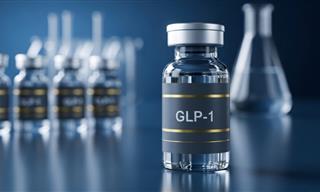
The term "GLP-3" is a bit of a misnomer, and it is worth clearing up straight away. There is no such thing as a GLP-3 hormone or a GLP-3 receptor in the body. The nickname is really just a snappy way of saying "the next step up" from the medications that came before. The proper name for this new class is triple hormone receptor agonists, or triple agonists for short.

The naming makes more sense once you see the family tree, which is really a story of targeting more of the body's systems at once:
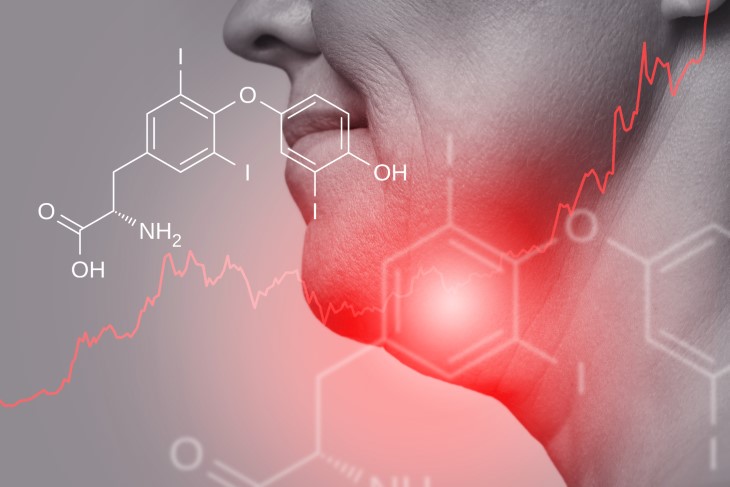
Each of the three hormones these new drugs act upon does a different job, and the idea is that together they add up to more than any one alone. In plain terms:
There is a clever twist here that fascinates the scientists. Glucagon, on its own, normally raises blood sugar, which sounds like the opposite of what you would want in a diabetes drug. But the blood-sugar-lowering power of the GLP-1 and GIP components more than makes up for it, so the overall effect is still a marked drop in blood sugar. It is a case of three ingredients balancing one another into something better than any could manage alone.
The medication furthest along in this new class is called retatrutide, developed by the same company that makes Zepbound. It is the one behind most of the headlines, and the results from its large clinical trials have genuinely startled researchers.
In its most advanced studies, participants lost, on average, around a quarter to nearly a third of their body weight over the course of the treatment, in one trial an average of close to 29 percent, which works out to roughly 70 pounds for many people. To put that in perspective, the average weight loss with the earlier drugs has been in the region of 15 percent for the single-target medicines and around 21 percent for the dual ones. If these results hold up, this new class would represent the most powerful weight-loss medication yet developed.
What is particularly interesting is that these medications are being studied for far more than the number on the scale. Because obesity and high blood sugar sit at the root of so many other health problems, researchers are testing whether tackling them can help a whole range of related conditions. Current trials are exploring their use for:
This reflects a growing understanding that obesity is not simply a matter of appearance or willpower, but a medical condition tangled up with many others, and that treating it may bring benefits well beyond weight itself.
Here is the crucial point to keep everything in perspective. These "GLP-3" medications are still experimental. They are in the final stage of clinical trials and have not been approved by regulators, which means they are not available by prescription and cannot legally be bought. At present, the only way to receive one is by taking part in an official clinical trial.
Based on the current timeline, approval could come as early as 2027, though that is not guaranteed and depends on the remaining trials confirming that the drugs are both effective and safe. In short, this is exciting news on the horizon rather than something waiting at your pharmacy today.

No powerful medication comes without trade-offs, and honesty here is important. In the trials so far, the most common side effects have been digestive: nausea, diarrhea, vomiting, and constipation. These were usually mild to moderate and tended to ease over time as the body adjusted, much as with the earlier drugs in this family.
That said, at the highest doses a notable share of participants found the side effects troublesome enough to stop taking the medication, more so than with the older drugs. This hints that the greater power may come with a greater burden of side effects for some people, which is exactly the kind of balance that the ongoing trials are designed to work out.
There are also some genuine unknowns. The earlier GLP-1 medications carry a formal warning about a possible risk of thyroid tumors, based on animal studies, and it is not yet known whether these newer triple-action drugs will carry a similar concern. Long-term safety, and the effects on the heart and kidneys over many years, are still being studied. This is precisely why the careful, years-long trial process exists.
Whenever a medication generates this much excitement, unscrupulous sellers are quick to follow. Because these drugs are not yet approved or available, anything advertised online claiming to be a "GLP-3" or offering retatrutide for sale should be treated with great suspicion. Such products may be counterfeit, contaminated, or entirely fake, and buying medication outside the proper channels can be genuinely dangerous. The only legitimate route to these medicines today is through a supervised clinical trial.
It is also worth remembering that these are serious medical treatments for the medical conditions of obesity and diabetes, prescribed and closely monitored by doctors. They are not a casual shortcut, and they work best alongside healthy eating and activity, not instead of them. If you are living with obesity or diabetes and wonder what your options are, now or in the future, that is a conversation to have with your own doctor, who can weigh what is right for your particular health.