
When we think about looking after our blood pressure, the saltshaker often gets our attention first. But what we pour into a glass deserves a closer look, too. Tomato juice and pomegranate juice both contain nutrients that may support healthy blood pressure, yet choosing between them is not quite as simple as picking your favorite flavor.
One can come with a surprising amount of salt, while the other packs quite a bit of natural sugar. And although both have attracted scientific interest, the research doesn't give us a clear winner. Here's what to know before you reach for either bottle.
Why these two juices attract attention
Both juices provide potassium, a mineral involved in blood pressure regulation. It helps the body remove sodium through urine and allows blood vessel walls to relax. That makes potassium useful within a balanced eating pattern, although it doesn't turn a glass of juice into a treatment for high blood pressure.
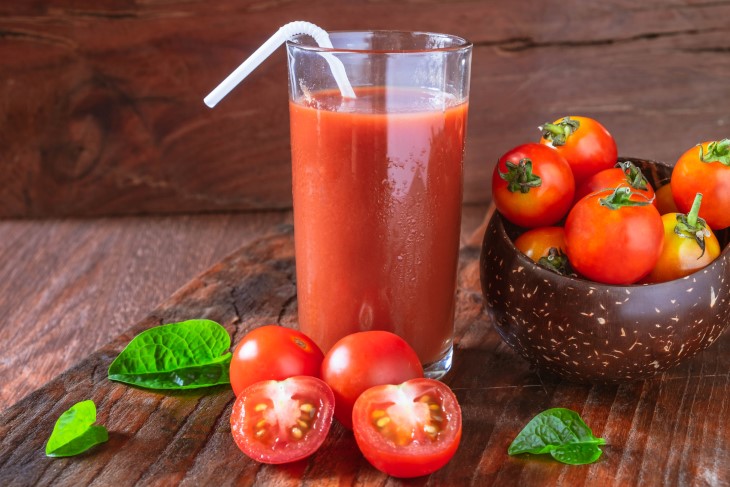
Tomatoes and pomegranates also contain plant compounds with antioxidant properties. Tomatoes are known for lycopene, the pigment responsible for their red color. Pomegranates contain polyphenols, including anthocyanins and compounds called punicalagins.
These substances help explain researchers' interest in the two foods. However, identifying a beneficial compound is only a starting point. What matters is whether consuming the food or drink produces a meaningful benefit in people.
Tomato juice: Watch what comes with the tomatoes
If you enjoy something savory, tomato juice has an appealing advantage: it generally contains much less sugar and fewer calories than pomegranate juice. An unsalted version can therefore be a useful option for someone watching both sodium and calorie intake.
The catch is that regular tomato juice can be surprisingly salty. The nutrition figures in the source article put a cup at roughly 650 milligrams of sodium. An unsalted version contains only about 24 milligrams, although amounts vary by product.
That is a substantial difference for a drink that may look almost identical in the glass.
The American Heart Association recommends no more than 2,300 milligrams of sodium per day, with an optimal goal of no more than 1,500 milligrams for most adults. A cup containing 650 milligrams would use up about 28% of the first limit and 43% of the second.
When shopping, compare the sodium line on the Nutrition Facts label. If unsalted juice seems a little plain, try lemon juice, black pepper or fresh herbs before reaching for the salt.
Pomegranate juice: Natural sugar still counts
Pomegranate juice offers a sweet, tart alternative, and you don't need to add sugar to enjoy its flavor. However, “no added sugar” and “low in sugar” mean different things.
A cup of 100% pomegranate juice can contain around 32 grams of naturally occurring sugar. That doesn't make it nutritionally identical to soda, but the sugar still contributes calories and can affect blood glucose.
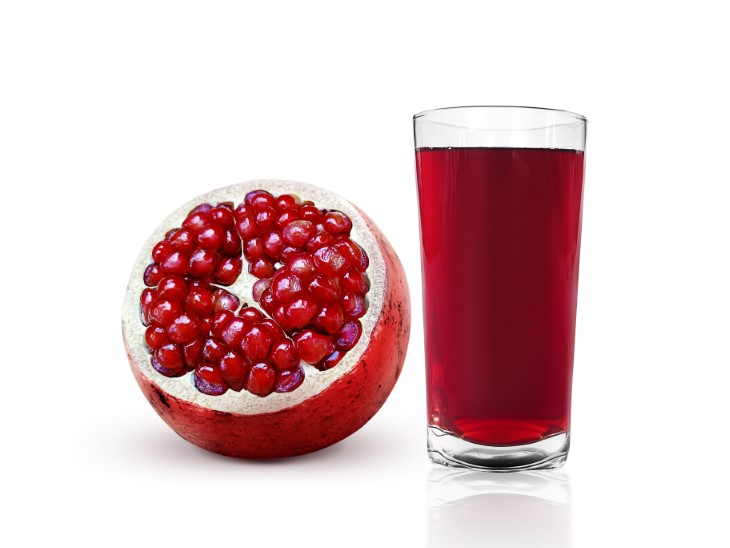
Portion size is therefore worth watching, particularly if you have diabetes or are trying to manage your weight. For example, pouring half a cup instead of a full cup would reduce those figures to roughly 16 grams of sugar and 67 calories.
You could add water or sparkling water to that smaller serving if you prefer a longer drink. Just remember that adding water to a full cup of juice doesn't remove any sugar. The reduction comes from using less juice in the first place.
Choose 100% pomegranate juice without added sugar, and check products labeled “juice drink,” “cocktail” or “blend” carefully. Their ingredients and nutritional values can differ considerably.
What does the research actually show?
The findings are interesting, but they need some explanation.
A 2021 review examined tomato, lycopene and related products. The roughly six-point reduction in systolic blood pressure often quoted from this research was found with standardized tomato extract. Systolic pressure is the upper number in a blood pressure reading.

That distinction matters: a concentrated extract is not the same as a glass of ordinary tomato juice. We cannot assume that drinking the juice will produce the same result.
A separate 2024 review combined 22 randomized trials involving pomegranate consumption. It found average reductions of approximately eight points in systolic pressure and three points in diastolic pressure, the lower number.
However, those trials involved different pomegranate preparations and study conditions, with substantial variation in their results. The averages are not a promise about what a particular bottle or serving will do for you.
It is also misleading to put the two reviews side by side and declare pomegranate the winner because eight is larger than six. They were not a direct comparison of the two juices in the same people under the same conditions.
A closer look at the numbers
The following approximate values for an 8-ounce cup come from the supplied article. Use the label on your own bottle for the most relevant comparison.
Calories
Total sugar
Sodium
Potassium
The biggest practical differences are the sodium in regular tomato juice and the sugar and calories in pomegranate juice. Their potassium content is relatively similar in these examples.
Who should check before making juice a daily habit?
People with kidney disease, high blood potassium or medicines that affect potassium should ask their healthcare professional before substantially increasing potassium-rich drinks. A nutrient that is helpful for many people can be unsuitable when the body has difficulty keeping its level under control.
Some reduced-sodium products also use potassium chloride as a salt substitute, so check the ingredients if you have been advised to limit potassium.
If you have diabetes, account for juice within your carbohydrate plan. Whole pomegranate seeds are another way to enjoy the fruit, with fiber that juice generally lacks.
And whichever juice you prefer, keep taking prescribed blood pressure medication. Neither drink has been established as a replacement for treatment.
Which belongs in your shopping cart?
For someone mainly watching sugar and calories, unsalted tomato juice has a practical advantage. For someone who enjoys a sweeter drink, a modest serving of 100% pomegranate juice without added sugar can fit into a balanced eating pattern.
Neither is essential, and neither has been proved the superior juice for lowering blood pressure. You can also enjoy tomatoes and pomegranate seeds as food and choose water when you're thirsty.
The most useful decision may happen before you ever open the bottle: check the sodium, check the sugar and decide how much you actually want to pour.