
Millions of Americans are now taking GLP-1 medications like Ozempic and Wegovy, and many are thrilled with the results. But some users have noticed something unexpected happening a few months into treatment: more hair in the shower drain, more strands on the brush. So what's going on? Is Ozempic actually to blame - and is it permanent? The good news is that the answers are reassuring, and there's plenty you can do about it.
The Actual Cause for the Hair Loss
Here's the key thing to understand: Ozempic itself is NOT what's causing your hair to shed. In Ozempic's clinical trials, hair loss was not a frequently reported side effect at all. It appeared more often in Wegovy trials - about 3% of users versus 1% on placebo - and interestingly, it was more common among patients who lost the most weight, which is a telling clue.
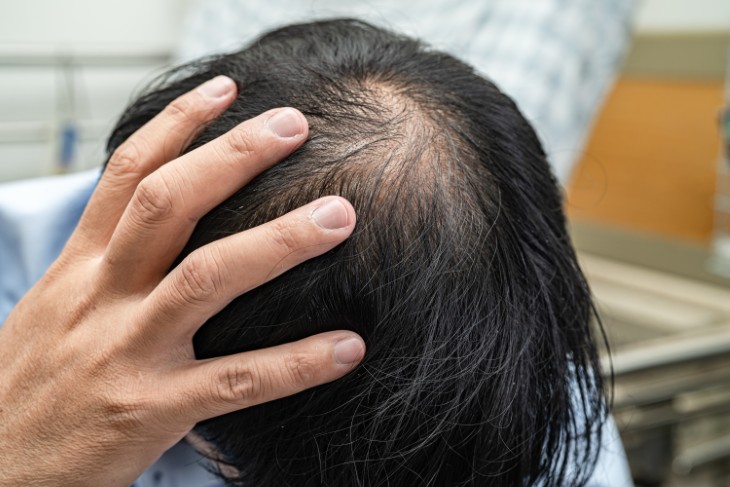
The real culprit is rapid weight loss. When your body sheds weight quickly, it interprets that as a form of physical stress - similar to what happens after surgery or a serious illness. In response, it temporarily redirects its energy away from "non-essential" functions. Unfortunately, hair growth is one of them.
What IS Telogen Effluvium?
The medical term for this stress-triggered hair loss is telogen effluvium. Under normal conditions, about 85–90% of your hair follicles are actively growing at any given time, while the remaining 10–15% are in a resting (telogen) phase. When your body undergoes significant stress - like rapid weight loss - a much larger percentage of follicles get pushed into that resting phase all at once. A few months later, those hairs start to shed.

What makes this particularly confusing is the timing. Because ongoing weight loss is a continued stressor rather than a single event, the hair shedding may persist throughout the weight loss process - it doesn't necessarily stop after a few weeks. And since this may begin about two to three months after your rapid weight loss starts, many people don't immediately connect it to their medication.
Women, it's worth noting, appear to be more vulnerable. A 2025 study from the University of British Columbia found that women had more than twice the risk of hair loss compared to men when taking semaglutide.
Nutritional Deficiencies Make It Worse
Telogen effluvium doesn't just respond to physical stress - it's also closely tied to what you're eating, or more precisely, what you may not be eating enough of. GLP-1 medications significantly reduce appetite, which is great for weight loss, but it also means some people aren't getting the nutrients their bodies - and their hair - need.
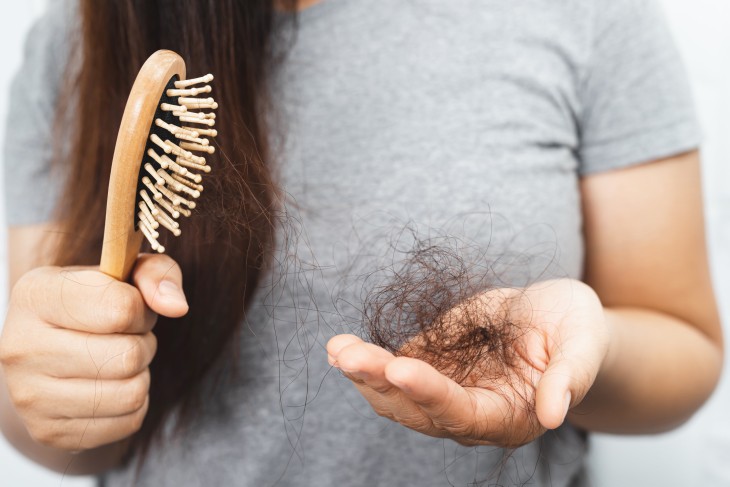
Protein, iron, biotin, zinc, and essential fatty acids are all critical. Your body is in rapid change mode. Hair follicles are made primarily of protein, so a diet that's too low in it can directly worsen shedding. Low iron (ferritin) levels are also strongly linked to diffuse hair thinning, as are deficiencies in vitamin D and zinc.
What You Can Do: Practical Steps
The encouraging news is that there's a lot you can do to minimize shedding and help your hair bounce back:
Prioritize protein at every meal. Even with a reduced appetite, make sure each meal includes protein-rich foods like eggs, Greek yogurt, lean meats, or legumes. This is probably the single most impactful dietary step you can take.

Get your blood work checked. Ask your doctor to test for anemia, thyroid function, and vitamin and mineral levels. Correcting any underlying deficiency will typically lead to a more rapid resolution of hair shedding.
Consider targeted supplements. If your doctor confirms any deficiencies, multivitamins or specific supplements - such as iron, biotin, vitamin D, zinc, or B vitamins - can support recovery. Don't supplement blindly, though; some, like zinc, can actually cause problems in excess.
Slow down if you can. Aim for gradual, steady weight loss rather than the most aggressive pace possible. The faster the weight comes off, the higher the risk of telogen effluvium.
Be gentle with your hair. Avoid excessive heat styling, tight hairstyles, and harsh chemical treatments. Use a gentle, sulfate-free shampoo and a wide-tooth comb.
Manage your stress. Meditation, mindfulness, socializing with loved ones, or taking long walks in nature can all help reduce the psychological pressure of dieting, which can itself worsen hair shedding.
Ask about minoxidil. If shedding is significant, topical minoxidil - available over the counter - is an option worth discussing with a dermatologist. It works by shortening the resting phase and nudging follicles back into growth mode, though it takes at least a couple of months to show results.
When Will It Come Back?
Approximately 90% of patients experience full hair regrowth within 6 to 12 months once their weight stabilizes. There are no reported cases of permanent hair loss from Ozempic or Wegovy. If shedding continues well beyond that window, or if you're experiencing other symptoms like extreme fatigue or cold intolerance, see your doctor to rule out a thyroid issue or other underlying condition.
The bottom line: losing some hair while on a GLP-1 medication can feel alarming, but it's almost always temporary. With a little nutritional care and patience, your hair should find its way back.