
You've probably heard that whole grains are good for you. But which ones pack the most nutritional punch? And what makes them so different from regular refined grains? We looked at what nutrition experts recommend, and the good news is that many of the healthiest grains are probably already in your pantry.
Whole grains contain the bran, endosperm, and germ, which means they're packed with vitamins, minerals, and fiber that get stripped away during refining. Research shows that eating whole grains reduces your risk of heart disease, diabetes, and some cancers. The trick is knowing which ones to choose and how to prepare them.
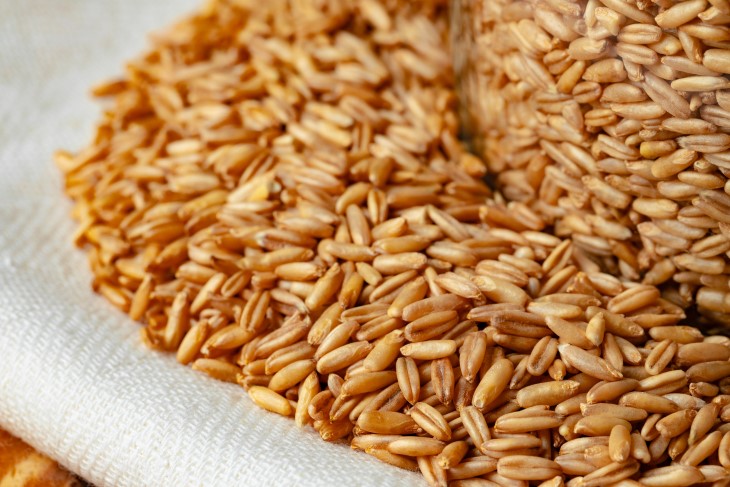
Oats are a breakfast staple for good reason. They're loaded with two types of fiber, soluble and insoluble, which work together to support digestion and heart health.
The soluble fiber in oats is called beta-glucan, a prebiotic that feeds the good bacteria in your gut and helps lower bad cholesterol (LDL). Some recent studies show it may even help reduce blood pressure, though researchers want to do more work in this area. Oats are also rich in avenanthramide, an antioxidant that protects heart tissue.
How to choose: Steel-cut oats and rolled oats have more fiber than instant oats, though they take longer to cook. Skip the flavored packets with added sugar. Instead, make plain oats your base and add cinnamon, fruit, and nuts for sweetness and crunch.
Nutrition facts (1/2 cup cooked): 83 calories, 14 grams carbohydrates, 2 grams fiber, 3 grams protein
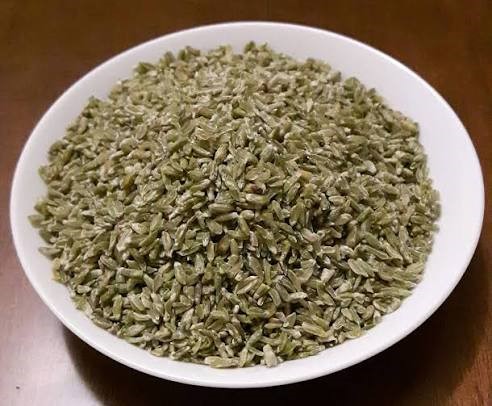
Freekeh is an Arabic grain made from young wheat kernels that are roasted while still green. It's lower in carbohydrates than many other grains and packs more than four times the fiber of brown rice.
This grain delivers immune-boosting selenium, plus vitamins and minerals other grains don't have as much of. Freekeh also contains resistant starch, a type of prebiotic fiber that helps your digestive system work better and keeps blood sugar steady.
Where to find it: Look in Middle Eastern markets, natural food stores, or online through Amazon.
Nutrition facts (1/2 cup uncooked): 282 calories, 48 grams carbohydrates, 9 grams fiber, 10 grams protein
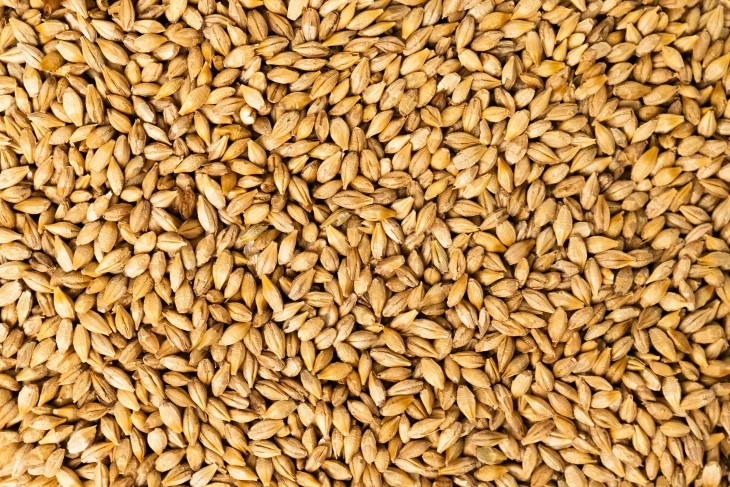
Like oats, barley is an excellent source of soluble fiber and contains beta-glucan, which research shows can lower bad cholesterol and help manage blood sugar levels. Studies have also found that the antioxidants in barley may help reduce your risk for certain diseases.
Barley cooks relatively quickly and has a pleasant, slightly chewy texture that works well in soups and as a side dish.
Important: Make sure you choose whole-grain barley, not "pearled" barley, which has had the nutrient-rich bran and germ removed. Try serving it as a warm side with raisins or dried apricots mixed in.
Nutrition facts (1/4 cup hulled, uncooked): 162 calories, 33 grams carbohydrates, 8 grams fiber, 6 grams protein
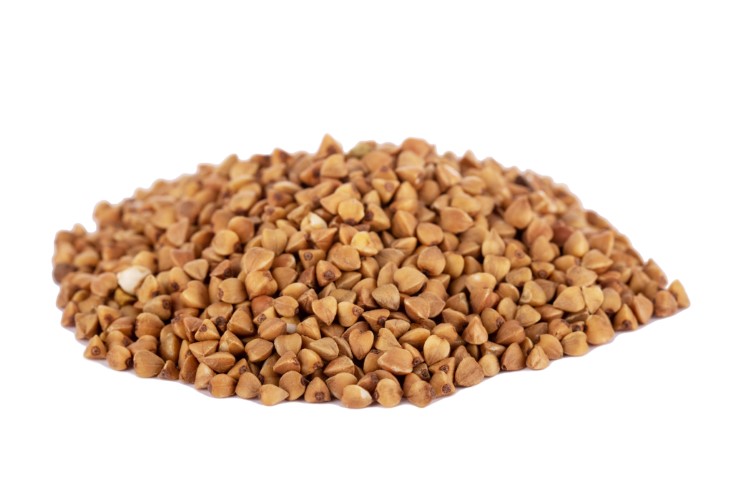
Despite its name, buckwheat is naturally gluten-free, which makes it a great choice for people managing celiac disease. Buckwheat is one of the best grain-based sources of magnesium, a mineral that helps ease PMS symptoms and keeps your nerves functioning properly. It's also high in manganese, which supports brain health.
How to enjoy it: Buckwheat pancakes are a delicious way to get the benefits. You can also make it into porridge or add it to grain bowls.
Nutrition facts (1/2 cup roasted groats, uncooked): 283 calories, 61 grams carbohydrates, 8.5 grams fiber, 9.5 grams protein
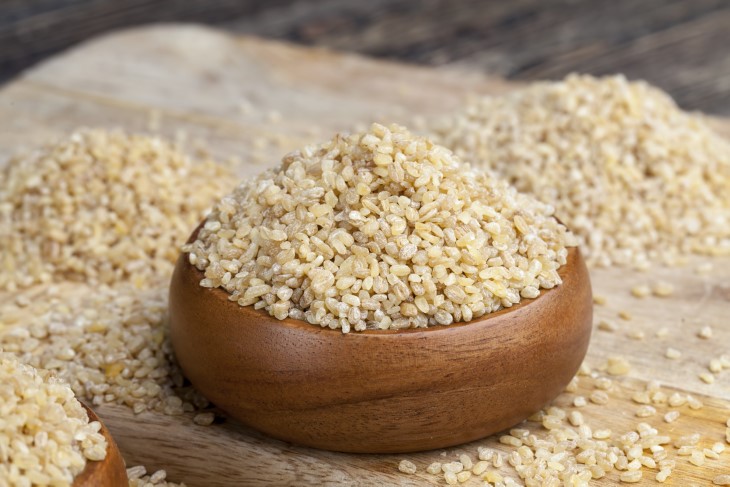
Bulgur is considered a whole grain for practical purposes, even though up to 5 percent of the outer layer may be removed in processing. It's so nutrient-dense that it belongs on this list. Used to make tabbouleh salad, bulgur is an excellent source of iron and magnesium.
One cup of bulgur contains nearly 75 percent of the daily fiber you need and about 25 percent of your daily protein requirement. The best part? It cooks in just a few minutes.
Easy uses: Toss it into salads, add it to soups, or use it as a grain base for Mediterranean bowls.
Nutrition facts (1/2 cup uncooked): 239 calories, 61 grams carbohydrates, 8.5 grams fiber, 9 grams protein
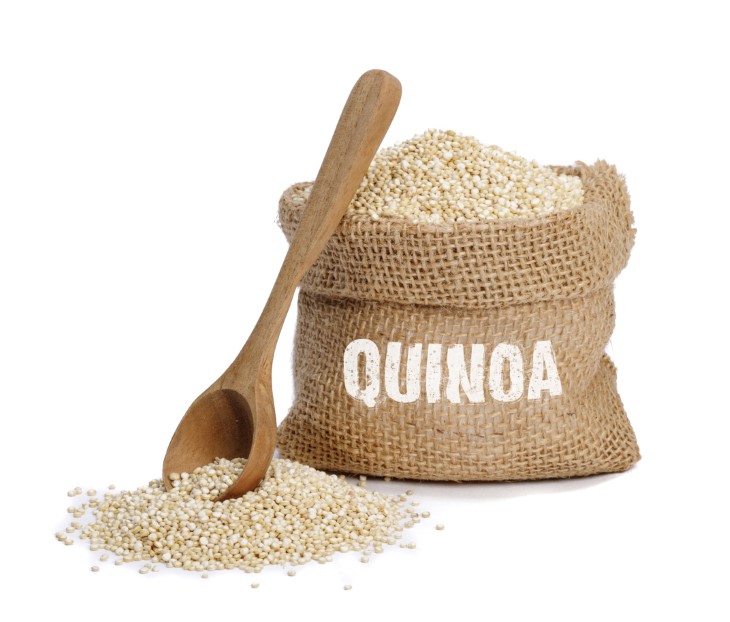
Although it's technically a seed rather than a grain, quinoa deserves a spot on this list because it's a powerhouse. It contains more protein than any other grain and is one of the few plant-based complete proteins, meaning it has all nine essential amino acids your body needs.
A half-cup of cooked quinoa provides 2.5 grams of fiber, and an uncooked cup contains 522 milligrams of omega-3 fatty acids. The flavor is light and slightly nutty, making it a versatile addition to meals.
Make ahead tip: Cooked quinoa keeps well in the refrigerator for several days, making it ideal for packing as a work or school lunch.
Nutrition facts (1/2 cup cooked): 111 calories, 20 grams carbohydrates, 2.5 grams fiber, 4 grams protein
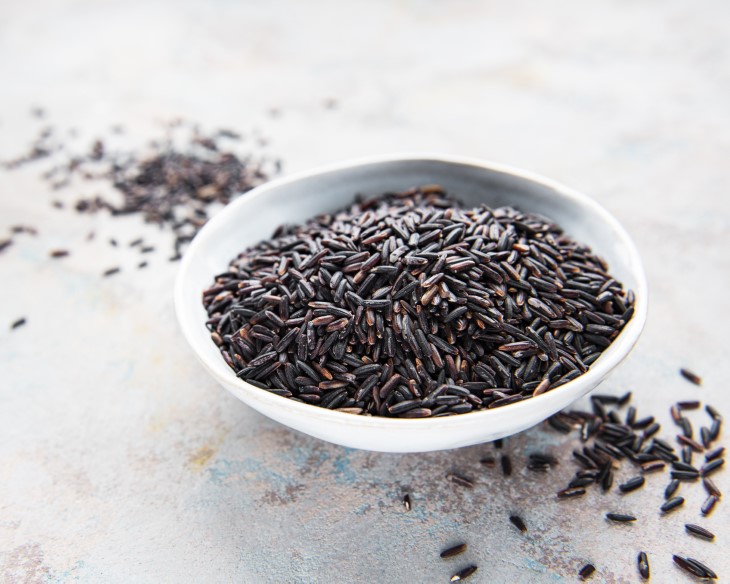
Wild rice isn't actually rice at all. It's the seed of a type of aquatic grass, though it looks and cooks similarly to rice. The U.S. Food and Drug Administration only recently officially identified it as a whole grain a few years ago.
Wild rice is rich in vitamins, minerals, and protein, with a good amount of fiber. It's also a standout source of antioxidants, containing 9 to 13 times more than white rice.
Cooking tip: It takes longer to cook than some grains, but you can mix it with other rice varieties or use it as a replacement for white or brown rice. Serve it with vegetables, chicken, or fish for a heart-healthy meal.
Nutrition facts (1/2 cup cooked): 83 calories, 17.5 grams carbohydrates, 1.5 grams fiber, 3 grams protein
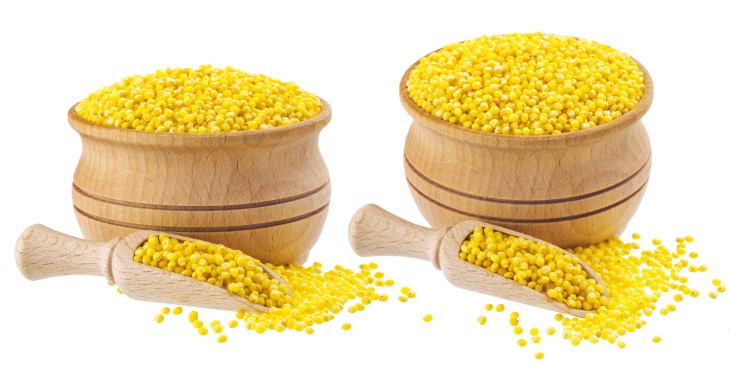
Millet is a small, round ancient grain that's gluten-free and belongs to the grass family. Here's something remarkable: millet contains three times more calcium than milk. Studies show it can boost calcium levels and bone mineral density, especially in women before menopause.
Like other whole grains, millet is a good source of fiber and may help lower bad cholesterol and support digestive health.
How to prepare it: Make it into porridge, use it for bread, add it to stir-fries, or toss it into salads just like quinoa.
Nutrition facts (1/2 cup cooked): 103 calories, 20 grams carbohydrates, 3 grams fiber, 3 grams protein
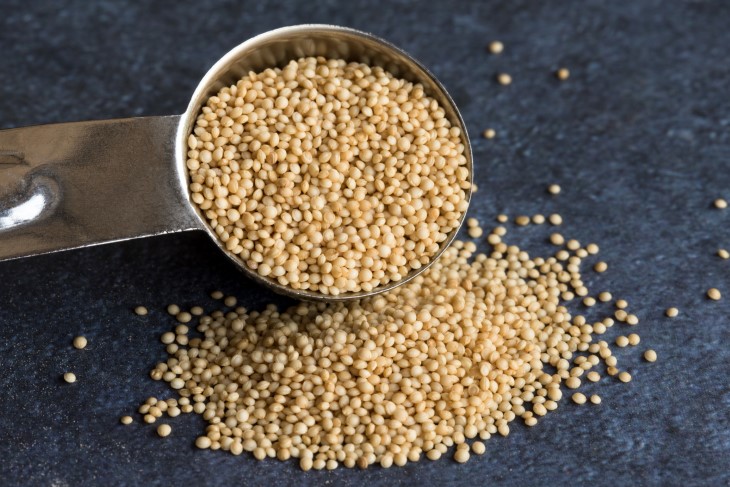
Amaranth is an excellent source of protein, containing all nine essential amino acids, making it a complete protein. It also provides plenty of magnesium and phosphorus, minerals important for bone and heart health.
Research suggests amaranth may have anti-inflammatory properties. It's also safe for people with celiac disease, making it a versatile choice for many diets.
Versatile uses: Add it to soup, cook it into a breakfast porridge, or pop the kernels like popcorn for a crunchy snack.
Nutrition facts (1/2 cup uncooked): 358 calories, 63 grams carbohydrates, 6.5 grams fiber, 13 grams protein
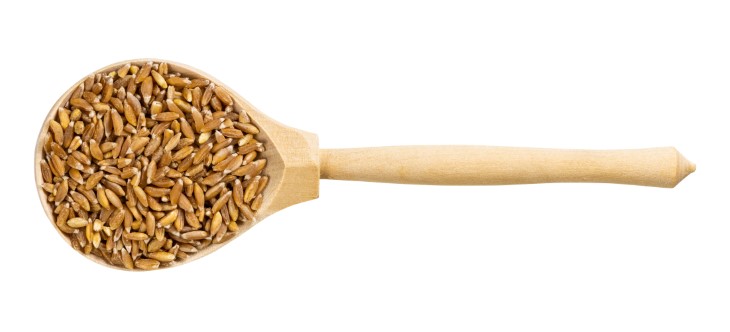
Farro is an ancient wheat grain with a nutty, satisfying flavor. It's full of fiber and provides a healthy dose of iron and magnesium. A quarter-cup serving packs 6 grams of protein.
This grain works beautifully in salads or as a base for seafood or meat dishes. One note: farro is low in gluten but not completely gluten-free, so it's not suitable for people with celiac disease.
Easy serving: Toss cooked farro into your favorite grain salad or use it as a hearty base for roasted vegetables and protein.
Nutrition facts (1/3 cup pearled, cooked): 150 calories, 29 grams carbohydrates, 3 grams fiber, 5 grams protein
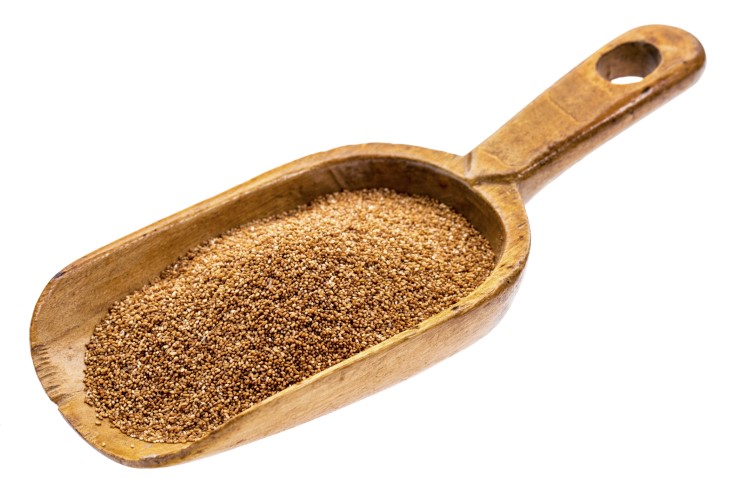
Teff is technically a seed but is considered part of the grain family. It's loaded with calcium and high in resistant starch, a type of fiber that helps keep blood sugar stable throughout the day. Teff is gluten-free and appears in many gluten-free products.
The grain has a subtle, sweet, and nutty flavor that works well in baked goods.
How to use it: Try baking breads, muffins, or cakes with teff flour for a nutritious twist on your favorite recipes.
Nutrition facts (1/2 cup uncooked): 380 calories, 84 grams carbohydrates, 6 grams fiber, 12 grams protein
The Bottom Line: You don't need to eat all of these grains. Pick one or two that appeal to you and make them a regular part of your meals. Each offers its own set of health benefits, so trying a few different ones keeps things interesting while feeding your body what it needs.