
Somewhere around your forties, you probably noticed it. A knee that complains on the stairs. Reading glasses that suddenly feel necessary. A friend your age who looks ten years older, or ten years younger, than you do.
That gap is no accident. Aging isn't one steady march forward. It happens in stages, and it happens at a different pace in every person. Understanding what's actually going on, both in your daily life and inside your cells, can help you make smarter choices about your health no matter which stage you're in right now.
The Five Stages of Adult Life
Researchers who study human development break adulthood into five broad stages. The exact ages are flexible, since life events tend to mark the real transitions far more than birthdays do.
Emerging Adulthood (Ages 18 to 29)
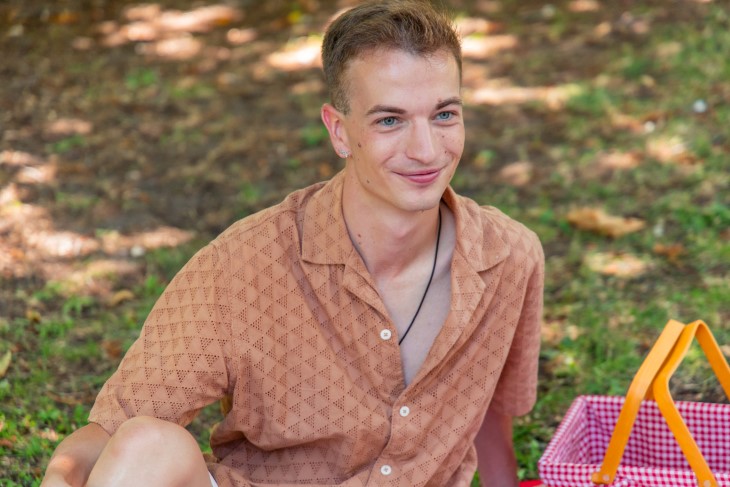
Young and Middle Adulthood (Ages 30 to 45)

Middle to Late Adulthood (Ages 40 to 65)
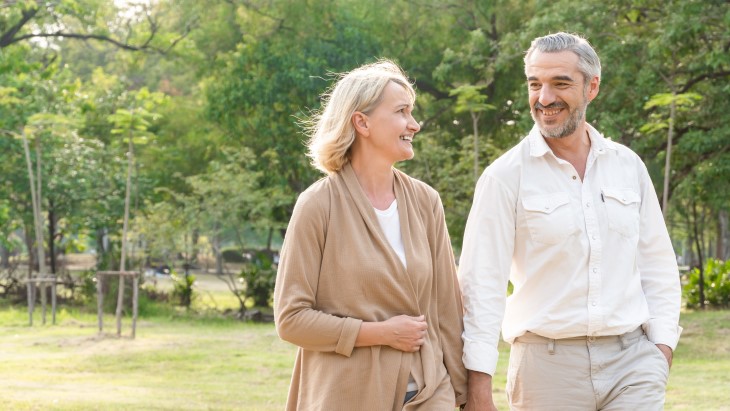
Post Retirement or Older Adulthood (Ages 66 to 89)
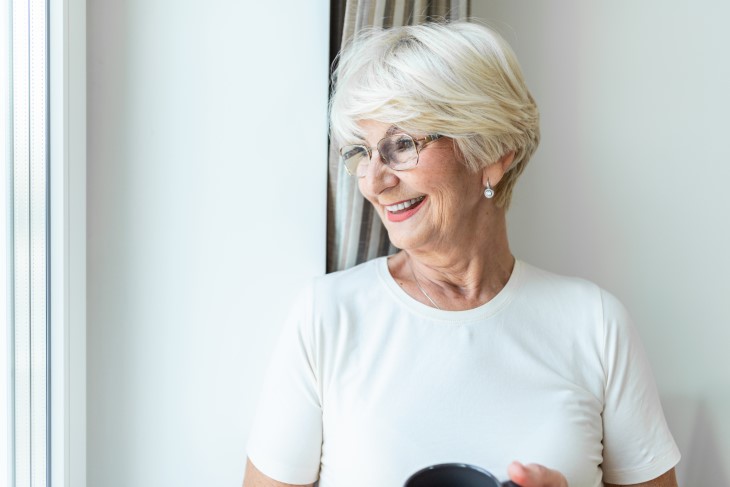
Very Old Age (90 and Beyond)
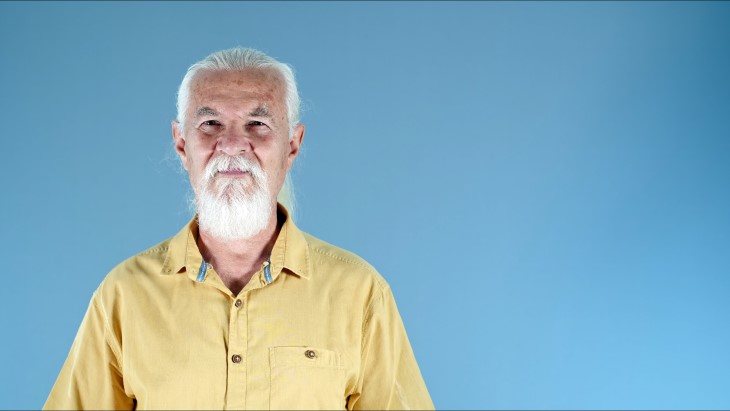
One thing worth remembering: these categories describe averages, not destinies. Genetics account for a smaller share of how you age than most people assume. Daily habits, especially physical activity, diet, alcohol use, and whether you smoke, do far more of the work.
What's Actually Happening Inside Your Cells
The visible signs of aging, the wrinkles, the gray hair, are really just the surface. Underneath, a handful of biological processes are quietly reshaping your body. Here are the ones researchers currently think matter most.
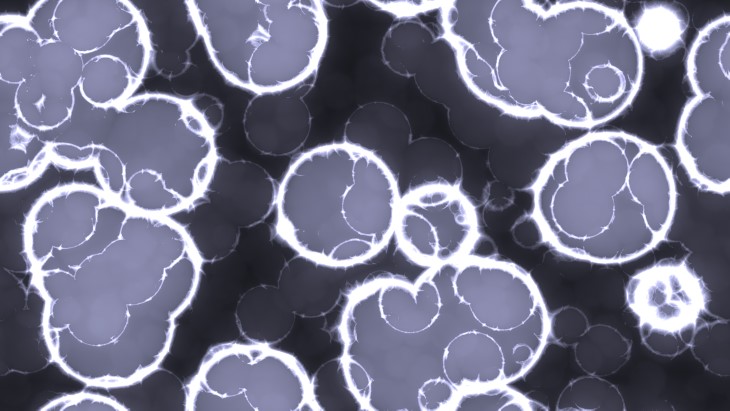
Worn down chromosome caps. The protective tips on the ends of your chromosomes, called telomeres, shorten a little more every time a cell divides. Once they wear down too far, cells struggle to divide properly, which is part of why healing and tissue repair slow with age.
Chronic low grade inflammation. Sometimes nicknamed "inflammaging," this is inflammation that never fully switches off. It has been linked to hardened arteries, joint pain, and even brain fog.
Cells that refuse to retire. Through a process called cellular senescence, some cells stop dividing after damage but don't die off either. These lingering cells build up with age; people over 65 can carry anywhere from two to twenty times more of them than people under 35.
Slower cellular energy production. The tiny structures inside cells that generate energy, called mitochondria, become less efficient with age, which is part of why fatigue can creep in more easily.
A shifting gut microbiome. The trillions of bacteria living in your digestive system communicate constantly with your brain and immune system. When that balance shifts with age, it has been linked to everything from weight gain to heart disease.
Here's the encouraging part: many of these changes, particularly the ones involving gene regulation, are reversible rather than fixed.
Biological Age vs. Chronological Age
Here's something that might surprise you: two people who are both sixty years old on paper can have wildly different biological ages. One might have cells that function like someone in their forties. The other might be biologically closer to seventy.
Scientists now have tools called epigenetic clocks that measure this directly, by reading chemical tags on your DNA that shift in predictable patterns as cells age. A 2026 study published in the journal Nature Aging followed a group of people for as long as 24 years and found that it isn't just where your biological age starts that predicts your health, it's the direction it's heading. Someone whose biological age is climbing faster than their birth certificate, even if they seem fine on the surface, faces a higher risk of frailty, cognitive decline, and earlier death down the road.
The encouraging part is that this number moves. In one clinical trial, participants who spent just eight weeks focused on diet, exercise, sleep, and stress reduction lowered their biological age by more than three years, based on epigenetic testing. That is a meaningful shift for two months of effort, and it's a strong argument against the idea that aging is simply something that happens to you.
The Habits That Actually Slow the Clock
You don't need a lab test to work on your biological age. A handful of habits show up again and again in the research as the ones that matter most.
Move your body, especially against resistance. Muscle mass declines by roughly one percent a year starting around age 40, and that rate speeds up through your fifties. Strength training is one of the few interventions proven to slow that decline, and researchers have found it can even improve neural activity and reduce measurable "brain age" in older adults.
Eat more protein than you think you need. Standard nutrition guidelines were built around preventing deficiency, not around optimal aging. Many longevity researchers now recommend that adults over 40 eat noticeably more protein than the standard guideline of roughly 0.8 grams per kilogram of body weight, specifically to protect against muscle loss.
Protect your sleep. Poor sleep is one of the most consistently documented drivers of faster biological aging, showing up again and again in epigenetic clock research. Seven to eight consistent hours a night, in a cool, dark room, may do more for your cells than almost anything else on this list.
Stay socially connected. A large 2026 study out of Yale tracked nearly 4,000 adults over three years and found that 45 percent of people 65 and older actually improved in cognitive or physical function over that period, rather than declining. The people who improved tended to stay more socially engaged and hold more positive views about their own aging.
Change how you think about getting older. This one sounds soft, but the data behind it isn't. People who see aging in a positive light, rather than as pure decline, have been shown to live up to seven and a half years longer on average, and they're more likely to take the kinds of health actions, exercise, checkups, and healthy eating, that reinforce a longer life.
There's No Single Finish Line
Aging isn't a wall you hit at a certain birthday. It's a slow accumulation of biological changes that started, quietly, back in your twenties. But how those changes unfold from here still has a great deal to do with the choices in front of you today. The habits that support healthy aging, staying active, eating well, sleeping enough, staying connected to other people, and even how you think about getting older, are the same ones doctors have been recommending for decades. The science just keeps giving us better reasons to actually follow through.