
We've all been there. You're walking down a busy street, a bus pulls away from the curb, and suddenly you're enveloped in a cloud of dark exhaust. You wave your hand in front of your face, hold your breath for a few seconds, and think: "That can't be good for me."
Your instincts are right. But the full picture of what those fumes do to your body - especially as you get older - is more serious than most people realize. The good news? There's a great deal you can do about it, often without changing much in your daily routine.
Let's walk through what the latest research tells us.
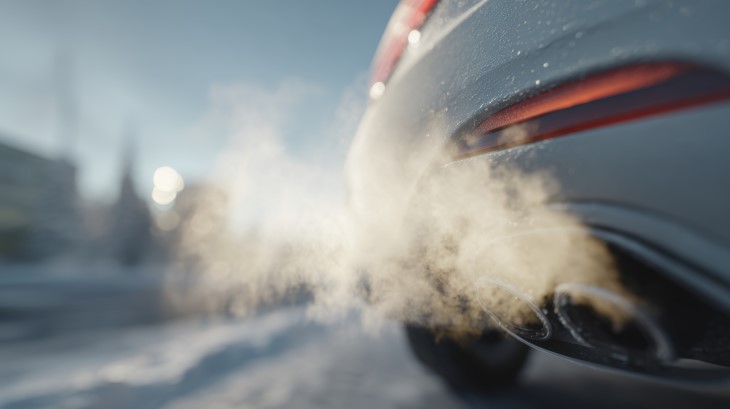
When a car or truck burns gasoline or diesel, it produces a complicated cocktail of pollutants. The main culprits include:
Diesel vehicles are particularly problematic. According to a major international study, exhaust from on-road diesel vehicles was linked to roughly half of all vehicle-related premature deaths worldwide in 2015 - and around two-thirds of these deaths in countries like France, Germany, and Italy.
Here's where the numbers become sobering.
A landmark study by researchers at the International Council on Clean Transportation found that vehicle tailpipe emissions were linked to roughly 385,000 premature deaths worldwide in 2015. In the United States alone, an MIT study attributed about 53,000 deaths each year to traffic-related air pollution.
These deaths aren't from one big thing. Traffic pollution chips away at health in several ways:
Heart and Lung Disease. Long-term exposure raises your risk of heart attacks, strokes, heart failure, chronic bronchitis, and COPD (chronic obstructive pulmonary disease). The U.S. Environmental Protection Agency notes that vehicle emissions contribute to airborne toxics linked not just to cancer, but also to neurological, cardiovascular, respiratory, reproductive, and immune system damage.
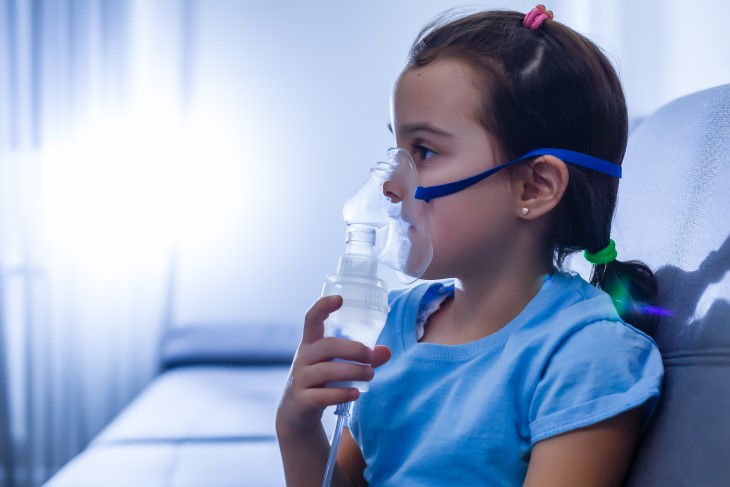
Asthma and Breathing Problems. Children who live near major roads are roughly 50% more likely to develop asthma or wheezing than those living several blocks farther away. And on high-pollution days, asthmatic children are 40% more likely to have an attack.
Brain Health and Dementia. This is one of the most striking findings of the past few years. A University of Cambridge analysis found that for every 10 micrograms per cubic meter of PM2.5 in the air, a person's relative risk of dementia rose by 17%. A Swedish study of older adults in Stockholm went further, suggesting that nearly all of the connection between air pollution and dementia seems to run through cardiovascular disease - meaning the fumes damage your heart and blood vessels first, and your brain suffers the consequences.
Cancer. Diesel exhaust has been classified as a known human carcinogen. Studies consistently link long-term exposure to elevated lung cancer risk.
If you're over 50, this matters more for you than for the average person. Older adults tend to have more pre-existing heart and lung conditions, and the body becomes less efficient at clearing pollutants and repairing damage. According to the California Air Resources Board, children, the elderly, and people with existing heart or lung conditions are especially vulnerable to traffic pollution.
You're also more exposed than you might think if you:
One striking finding: drivers spend only about 2% of their time passing through traffic intersections, but those few minutes account for about 25% of their total pollution exposure on the road.
The encouraging news is that small, simple changes can dramatically cut how much pollution actually reaches your lungs. Here's what the research recommends:
1. Use the recirculation button in your car. When you're stuck in traffic or behind a smoky truck, switch your climate control to "recirculate" and keep the windows closed. Studies show this can substantially reduce the amount of exhaust that gets into your cabin.
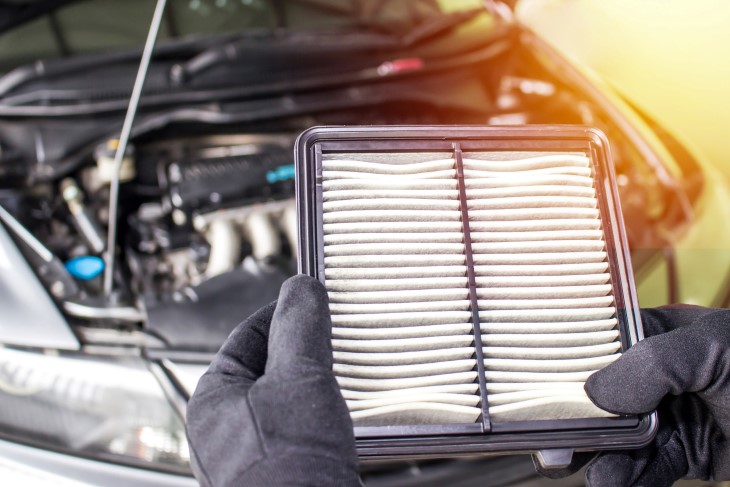
2. Upgrade your car's cabin air filter. A good cabin air filter - and even better, a high-efficiency one - can cut particle levels inside your vehicle by 55% to 90%. That's roughly twice the protection of the standard filter most cars come with. Ask your mechanic at your next oil change.
3. Walk on the inside of the sidewalk. Just stepping a few feet farther from the curb can meaningfully reduce your exposure. Pollution levels drop significantly with distance from traffic.
4. Choose quieter routes for walks and exercise. The American Lung Association specifically advises avoiding exercise near busy highways, even on days when the air quality forecast looks fine, because traffic creates concentrated pollution zones nearby. A park, residential street, or path even one block away from a main road is far better for your lungs.
5. Don't exercise during rush hour. If you walk or jog outdoors, try to do it before the morning rush or after the evening one. Pollutant concentrations are highest when traffic is thickest.
6. Avoid lingering at intersections. Don't stand right at the curb at red lights if you can help it. Step back from the corner while you wait.
7. Run a HEPA air purifier at home. If you live near a busy road, indoor air filtration can remove over 90% of incoming outdoor particles, with very little electricity use. Even a small bedroom unit can make a real difference for sleep and recovery.
8. Keep windows closed during rush hour if you live near traffic - and open them during quieter hours instead, when the outdoor air is much cleaner.
9. Don't idle, and don't let others idle near you. A surprising amount of pollution comes from cars sitting still with engines running. Modern cars don't need to "warm up" - and idling wastes about 6 billion gallons of fuel a year in the U.S. alone.
10. Check your local air quality index before going out. Free apps and websites (like AirNow.gov in the United States) tell you when pollution levels are unhealthy. On bad days, move your walk to a shopping mall or take it easy.
It's worth saying clearly: catching a quick whiff of exhaust as a bus drives by isn't going to harm you. Your body is built to handle occasional exposure. The dangers come from sustained, long-term breathing of polluted air - months and years of it, day after day. That's why the practical question isn't "How do I avoid every car fume?" but rather "How do I lower my average daily exposure?"
The other piece of genuinely good news: in many parts of the world, traffic pollution has been falling for decades thanks to cleaner engines, better fuels, and stricter regulations. In California, for instance, traffic pollution has dropped by more than 70% since the year 2000.

Car fumes are doing real damage to public health - including yours. The link to heart disease, lung disease, and even dementia is no longer in serious scientific doubt. But the steps to protect yourself are remarkably ordinary: take a quieter route, run a filter at home, switch your car to recirculate in traffic, and avoid lingering at intersections.
You don't need to move to the countryside or buy an expensive mask. You just need to be a little more mindful about where and when you're breathing the air around you. Your heart, your lungs, and quite possibly your future memory will thank you.