
A diagnosis of knee arthritis can feel like a door quietly closing. The garden, the morning walk, the dancing, the trip you had been planning, all of it suddenly seems to come with a question mark. Many people respond by pulling back, moving less, and bracing for a future of steadily shrinking horizons.
Here is the good news, and it is backed by a great deal of research: that instinct to rest and retreat is, for the most part, exactly the wrong one. Knee osteoarthritis is genuinely manageable, and the people who do best are usually the ones who keep moving, keep doing what they love, and simply learn to do it a little more wisely. This is not about grinning through pain or pretending nothing has changed. It is about the practical, proven ways to keep your life full. Let's walk through them.
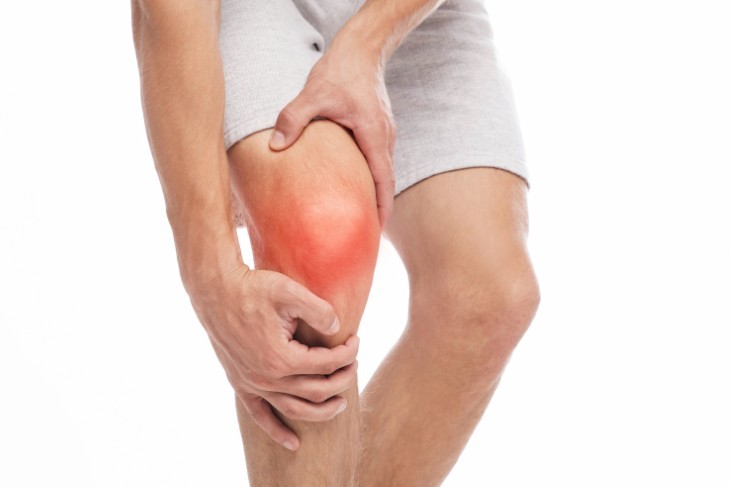
Osteoarthritis is often described as "wear and tear," which is a slightly misleading phrase. Inside the joint, the smooth cartilage that cushions the ends of the bones gradually thins and roughens, so the joint no longer glides as easily. This can bring pain, stiffness, swelling, and a sense that the knee is not quite as reliable as it once was, especially first thing in the morning or after sitting for a long while.
But here is the crucial part, and it overturns a belief that holds far too many people back. Using your knee does not wear it out faster. Movement is not grinding the joint away. In fact, the opposite is closer to the truth, because gentle, regular activity nourishes the joint, keeps it flexible, and strengthens the muscles that support and protect it. This one correction changes everything about how to approach the condition.

If knee arthritis has a remedy, exercise would be it. Across a huge body of research, staying active is the most effective thing most people can do, ahead of almost any other treatment, and it is recommended as the first-line approach by specialists everywhere. A major recent review pooling more than 200 trials found that exercise reliably reduces pain and improves movement, and confirmed that it is safe.
The reason is straightforward. Strong muscles around the knee, particularly the thigh muscles, act like a natural brace, taking load off the joint and steadying it. Regular movement also keeps the joint lubricated and supple, so it stiffens less. People often fear that exercise will damage an arthritic knee. The evidence says the reverse: it is one of the kindest things you can do for it.
You do not need a gym or a punishing routine. A sensible weekly mix looks something like this, built up gradually:

How do you know if you are overdoing it? There is a simple, trusted guide. A little discomfort during or shortly after activity is normal and not a sign of harm. What you are watching for is pain that is clearly worse, or swelling that increases, during or after exercise, and especially pain that lingers into the next day.
A good rule of thumb: if your knee is more painful the morning after than it was before, that session was a bit too much, so ease back next time. If it settles within a few hours, you are on the right track. This lets you push gently at the edges of what you can do, without fear, and to find your own sustainable level.
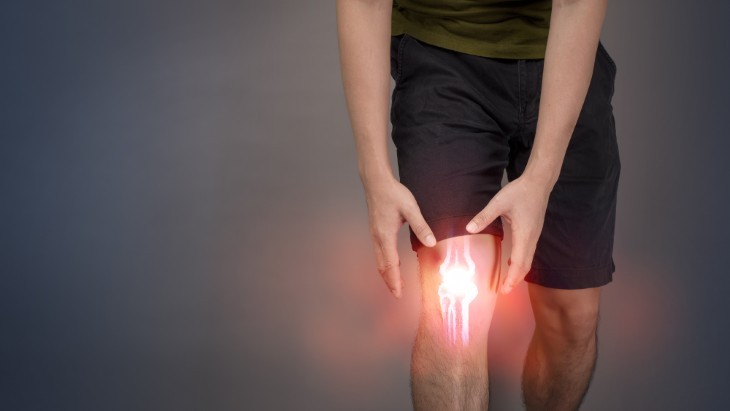
Every so often the knee will flare, becoming more painful, stiff, and perhaps swollen. This is part of living with arthritis and does not mean you have done damage or that things are getting worse overall. The old response was to stop moving entirely, but we now know that complete rest stiffens the joint and weakens the muscles, which makes matters worse. The better approach is to modify, not to stop:
This one is worth understanding because the numbers are so striking. Every extra pound you carry places several pounds of additional force through the knee with each step. That means the reverse is also true, and even a modest amount of weight loss can meaningfully reduce the load on the joint and ease the pain.
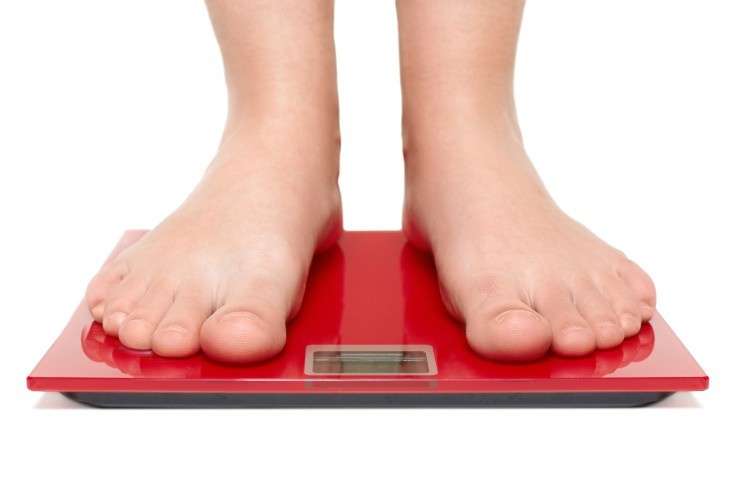
You do not need a dramatic transformation. Losing even a little, particularly when combined with the exercise above, has been shown to improve pain and function, and the combination of the two works better than either alone. If your weight is a factor, this is one of the highest-value changes available to you, and a dietitian or your doctor can help you go about it in a healthy, sustainable way.
Alongside movement, a handful of simple, practical measures make daily life easier:

This is the heart of the matter, because the goal is not merely less pain. It is a full life. The trick is usually to adapt an activity rather than abandon it:
The principle throughout is the same: choose lower-impact versions, listen to your knee, and modify rather than quit.
Self-care handles a great deal, but medicine has more to offer, and it is worth partnering with your doctor. Make an appointment if:
A brief word on pain relievers: they can be genuinely useful, sometimes taken before an activity you want to enjoy, but the common over-the-counter anti-inflammatories carry real risks with regular long-term use, so they are best discussed with your doctor rather than relied on daily without advice.