
Nightmares might serve as an early warning system for the onset of autoimmune disorders in the brain, according to new research. Melanie Sloan, a public health researcher at the University of Cambridge, led a study revealing that bad dreams are a common early sign of a lupus flare-up.
In an online survey of 676 lupus patients—technically known as systemic lupus erythematosus (SLE)—about a third reported experiencing disrupted dreams in the year before other disease symptoms appeared. This finding supports anecdotal reports linking the brain's immune system to dream patterns.
Neurologist and study author Guy Leschziner from Guy's and St Thomas' Hospitals in London explained, "We have long known that changes in dreaming can signify shifts in physical, neurological, and mental health and may indicate early disease. However, this is the first evidence suggesting that nightmares might help monitor a serious autoimmune condition like lupus."
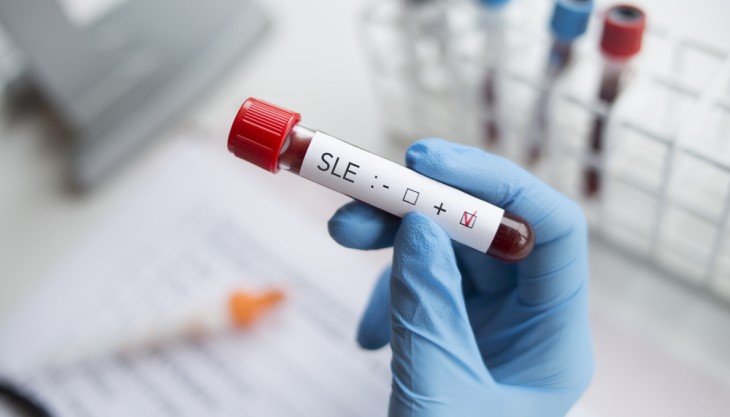
SLE is a lifelong autoimmune disease typically beginning between ages 15 and 45, causing intermittent flare-ups every few years, marked by painful joints, fever, chest pain, fatigue, or hair loss. While not all SLE patients develop neuropsychiatric symptoms during flares, about 40 percent do. Diagnosing and treating these symptoms can be challenging, as they are subjective and patients are often hesitant to discuss them.
People with brain-related autoimmune diseases frequently experience vivid, emotionally charged dreams. However, these cognitive symptoms often go unnoticed. Recent studies have shown that individuals who later develop Parkinson's disease, which is linked to autoimmune issues, experience distressing dreams up to a decade before diagnosis. Nightmares may also predict dementia, another condition linked to the immune system, and some multiple sclerosis patients report unpleasant dreams before flare-ups.
The study included personal interviews with 69 people with systemic autoimmune rheumatic diseases, including lupus. One participant described their nightmares during a lupus flare as so "horrific" that they saw "skin coming off people." Another theorized, "I came to the conclusion that [the nightmares are] probably me fighting my own system."

Researchers also gently introduced the topic of hallucinations by asking about 'daymares.' One participant immediately understood, describing the experience as feeling "really disorientated" and akin to being "Alice in Wonderland." The online survey found that over 60 percent of respondents reported increasingly disrupted night-time dreaming before experiencing daymares.
These findings align with clinical observations by Sloan and rheumatologist David D'Cruz from Kings College London. D'Cruz noted, "For many years, I have discussed nightmares with my lupus patients and thought there was a link with their disease activity. This research provides evidence of this, and we strongly encourage more doctors to ask about nightmares and other neuropsychiatric symptoms."
The study also surveyed clinicians about their understanding of lupus. Only one rheumatologist had considered dreams potentially related to lupus flares, but most experts were open to asking patients about their nightmares to detect and treat flares earlier.
Our dreams could indeed be telling us something significant, even as scientists continue to explore these links.

This Common Habit Could Be Quickening Your Ageing Process
Watching TV is a great way to relax, but if you get into the habit of doing it regularly, you'll be surprised how much it negatively affects how your body ages.
6:14
What (Non-Psychedelic) Mushrooms Can Do for Your Brain
Lion's mane mushrooms are memory-enhancing brain food! Learn the science behind them here.
Can We PREVENT Type 1 Diabetes?
The study's findings point toward developing a simple blood test that could detect the immune failure leading to type 1 diabetes before insulin-producing cells are permanently lost.
New Study: There is a Sure Way to Slow Aging
This new study confirms what has long been suspected: The less calories we consume, the slower we age.
Fatty Liver: New Study Shows Enormous Transformation
A new clinical trial has found that the weight-loss drug Wegovy significantly improves a serious form of fatty liver disease in nearly two-thirds of patients
Supplement Linked to Dramatic Increase in Heart Failure
The research found that prolonged melatonin use is linked to a 90% increase in heart failure risk, a 3.5-fold higher risk of heart failure hospitalization.
9:09
How to Improve Your Neck Posture in 30 Days
A forward head posture affects the alignment of the entire spine and may lead to neck pain and even headaches. Here's how to improve your neck posture.
17:25
Chair Yoga: a Complete At Home Video Practice
This is a complete 17-minute beginner friendly yoga sequence suitable for all ages you can do on your chair.
Why Dancing is the Single Best All-Round Activity After 60
Here is what the research actually shows about dancing after age 60, and how to get started.
The Hidden Side Effects of GLP-1 Medication
A major new study suggests there may be quite a bit more going on beneath the surface - side effects that patients are experiencing but that rarely come up in the doctor's office.
5:15
Discover What Really Causes Kidney Stones In This Video
Kidney stones can be an incredibly painful affliction, often leading to surgery in order for them to be removed from the body. Find out what causes them here.
Waiting Room Anxiety is Real: Here's How to Cope
ere are some practical strategies to help you through waiting room anxiety.
The One Common Mistake That Makes Our Earlobes Longer
Here, the skin's aging process becomes strikingly visible: loss of volume, decreased elasticity, and gradual elongation that reshapes the ear's appearance.
Dawn Phenomenon: When You Wake Up With High Blood Sugar
If your sugar levels are high when you wake up in the morning, you may be experiencing what is called "Dawn Phenomenon".
Bananas Are Incredible. Here Are 14 Reasons Why!
We all know that bananas are full of potassium and vitamins, but did you know that this fruit can be used to treat our most common health problems?
Why Are Cancer Patients Less at Risk of Alzheimer's?
Doctors and researchers began noticing something strange: people who had been diagnosed with cancer seemed less likely to develop Alzheimer's later in life. And conversely, Alzheimer's patients seemed to have lower rates of cancer.
10:19
Does Drinking Water During Meals Disturb Digestion?
There’s a persistent myth that we shouldn’t drink water while eating. How much of it is true?
Diabetics at a Holiday Party: Essential Tips
Holiday parties don't have to derail your diabetes management. With smart planning and mindful choices, you can enjoy celebrations while keeping your blood sugar stable.
9:52
Do NOT Learn CPR From Hollywood...
Watch as a doctor analyzes everything wrong in CPR movie scenes and tells us what to do instead.
This Spicy Fruit Is The Healthiest Nature Has To Offer!
Much has been written about the healing power of Cayenne pepper and its ability to help us against a variety of diseases and problems, learn about its benefits here!
10 Mighty Tips to Ensure Your Bones Stay in Top Condition
A loss in bone mineral density, known as osteopenia, can lead to osteoporosis. Therefore, it's important to understand how to prevent it. Here are 10 ways.
5:15
Studies Show You Can Improve Your Bone Health with Almonds
Osteoporosis is a common illness in the US. This video shows what happens to bone cells when blood is drawn before and four hours after almond consumption.
5:21
A Few Facts You Probably Don’t Know On Salmon
Salmon - the different varieties, health benefits and more interesting facts you probably didn’t know about this popular fish
7:25
What REALLY Happens When We Go Under Anesthesia
Learn how anesthetic drugs work on your brain, why you don't remember anything, and how it differs from natural sleep.
11:24
How Sitting All Day Affects Our Body and Brain
We were never built to sit still for eight hours a day, yet that is exactly what most of us do. Exercise scientist Keith Diaz has spent years studying what all that stillness does to us.
Cognitive Shuffle: A Trick to Prepare Your Brain for Sleep
A detailed look at what the cognitive shuffle is, how it works, and who can benefit from it, based on insights from its creator and a clinical sleep psychologist.
Health Science: 5 Reasons People With Pets Live Longer
Five ways you may not have heard of or thought about, but have been scientifically proven!
Guide: Going Gluten-Free Without a Gluten Intolerance
Is there any real benefit to going gluten-free if your body handles gluten just fine? The answer, according to the latest research, might surprise you.
11:06
These Home Remedies Will Work All Year Round
Tried and tested, science-backed, foolproof - these 6 home remedies are the real deal!
1 in 10 Arthritis Patients Develops a Hidden Lung Disease
American study reveals lung disease can develop silently in the first year of rheumatoid arthritis, particularly in older patients and those with high disease activity.
The Surprising Health Clue Hiding in Your Hands
The strength behind your grip is one of the most revealing health signals your body has to offer, and it may say more about your future than your blood pressure or your cholesterol.
Kidney Damage and Diabetes: What You Must Know
Diabetic nephropathy, or kidney disease caused by diabetes, is one of the most serious complications of the condition. The tricky part? It can creep up on you almost silently.
10 Simple Remedies for Clearer Breathing
10 remedies to cure a stuffy nose without visiting a doctor.
Keep Learning: How Novelty Keeps the Aging Brain Sharp
earning a fresh skill, one that is unfamiliar and even a little difficult, appears to be one of the most powerful things we can do for an aging brain. Here is what the science shows, and how to put it to work in your own life.
A 'Brain Fog' Epidemic? Study Shows a Worrying Trend
Analysis of over 4.5 million U.S. survey responses spanning a decade (2013–2023) shows a rise from 5.3% to 7.4% in reported cognitive disability nationwide, with an exceptional surge in the 18–39 age group and a clear influence of income and educatio
4:44
Learn Whether You're at High Risk of Colon Cancer
Colon cancer is the third-most deadly cancer that you can be diagnosed with. This video details who's most at risk of developing it.
4:44
Who's Most At Risk of Colon Cancer? Find Out Here!
Colon cancer is one of the leading causes of cancer and deaths in the world. So who’s most at risk? How can it be screened? Find out here!
Warning: FDA Recalls Over 3 Million Bottles of Eye Drops
If you use over-the-counter eye drops, this is important news. A major recall is currently underway, and the products in question have been sold at some of the most popular pharmacies in the country.
Is "Ozempic Hands" a Real Problem?
If you've been wondering what Ozempic hands means, whether it's something to worry about, and what you can actually do about it, read on. We've got the full picture.
5:23
Why HAVEN'T We Cured Cancer Yet? An Explanation
This informative video goes over the major challenges researchers face when trying to find a perfect cure for cancer.
11:30
The Best Meal to Clean Your Arteries
The most effective type of exercise for arterial health and finish with a practical bonus tactic you can apply right away.
4:12
Explaining Fibromyalgia and the Pain it Causes
This video sheds some light on this mysterious disease.
IBS versus IBD - Symptoms and Key Differences
Let’s compare and contrast IBS and IBD in this educational article.
These Healthy Foods Do Weird Things To the Human Body!
Everyday foods like cilantro, pine nuts, and green tea can prompt the human body to react in many surprising ways!
Microbreaks: How to Protect Yourself from Burnout
How to cope with prolonged times of inactivity with microbreaks.

5:45
Memory Not Working? The Answer May Be Hiding in Your Sleep
If you want to remember better, this lecture will tell you - The answer is in your sleep.

To enable your Ad-Free Subscription, please fill the fields below
Your subscription was successful, now you can enjoy an ad-free experience!! Note: To make sure you get no ads, please make sure to log in to your account. If you are logged in already, then refresh the page. The subscription can be cancelled at any time.