
In recent years, the presence of microplastics in human environments has become an increasingly concerning topic, extending its reach to the very beginnings of human life. Originally detected in four human placentas, the discovery marked the commencement of a troubling trend. Fast forward to the beginning of 2023, and the narrative deepened with findings of microplastics in 17 placentas. A subsequent study in Hawai'i, analyzing donated placentas from 2006 to 2021, underscored a significant rise in plastic contamination over time.
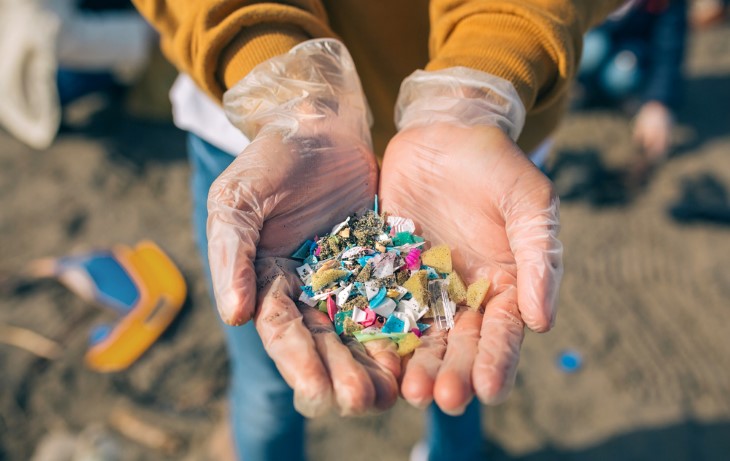
Now, researchers have analyzed an even larger sample, and guess what? Every. Single. Placenta. contained plastic.
Researchers employed a novel technique to scrutinize the largest collection of placenta samples to date, uncovering minuscule plastic particles and fibers in all 62 tissue samples examined. These microplastics varied in concentration significantly, ranging from 6.5 to 685 micrograms per gram of tissue—a level surpassing those found in human blood.
The full implications of this contamination for both fetal and maternal health remain unclear. Although studies on mice have identified microplastics in every major organ, including the brain, the permanence and potential health threats of these pollutants in humans are still under investigation.

In other words, the scary part is that we have no idea what this means for babies or mothers. Microplastics are turning up in major organs of animals, even the brain! What if they build up in our bodies over time? It's clear that microplastic pollution is only getting worse, and that means more of it will end up in placentas.
"The more plastic there is, the more worried we should be," says biologist Matthew Campen. He's right – this could affect every mammal on Earth, and that's a truly terrifying thought.
As the prevalence of environmental plastic pollution escalates, so too does the risk of placenta contamination, given the increasing inhalation and ingestion of plastics by humans. The sentiment, "dose makes the poison," shared by biologist Matthew Campen from the University of New Mexico, highlights the growing concern over the potential health impacts as exposure levels rise. This scenario suggests a broader ecological concern, indicating that the effects of plastic pollution could extend across mammalian life on Earth.
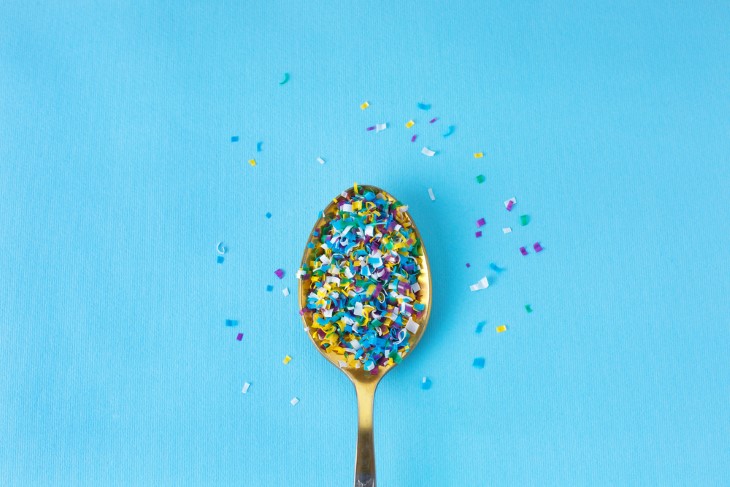
Advancing the method of microplastic detection has been a pivotal area of research, aiming to quantify the mass of these pollutants and identify their specific types of plastic. This effort is crucial for assessing their health impacts. A breakthrough technique now allows for a high-resolution examination of plastics in human blood and tissue. It involves separating biological materials from plastic solids and analyzing the polymers to pinpoint their specific compounds.
We still have a lot of unanswered questions. What makes some placentas have way more plastic than others? Can these tiny particles even get from the placenta to the baby? More studies are urgently needed, because one thing's for sure – this pollution problem isn't going away on its own.

Supplement Linked to Dramatic Increase in Heart Failure
The research found that prolonged melatonin use is linked to a 90% increase in heart failure risk, a 3.5-fold higher risk of heart failure hospitalization.

Fatty Liver: New Study Shows Enormous Transformation
A new clinical trial has found that the weight-loss drug Wegovy significantly improves a serious form of fatty liver disease in nearly two-thirds of patients
A Smart New Way to Kill Cancer Cells That Resist Treatment
In lab dishes, these molecules killed aggressive, treatment-resistant melanoma and sarcoma cells within just a few hours, while leaving healthy cells largely untouched.

Scientists Explore a Brain Cleaning Method for Dementia
A New Study Finds Possible CO2 Treatment for Dementia, shedding light on the process of dementia as well as a possible treatment from a surprising source.
Breakthrough Aging study: The Secrets of the "Super-Agers"
Age 80, Memory of a 50-Year-Old: Scientists Just Cracked the Secret of "SuperAgers"
Autopsies Find New Culprit Causing Alzheimer's Disease
Recent research spearheaded by the University of Washington has shed new light on the role of microglia in Alzheimer's disease...
11:06
These Home Remedies Will Work All Year Round
Tried and tested, science-backed, foolproof - these 6 home remedies are the real deal!
The Musical Test That Could Detect Dementia Early
Researchers have developed a promising new approach: using music to detect the early signs of cognitive decline.
5:41
Burn Belly Fat While Sleeping With This Amazing Drink!
Dr. Alan Mandell has designed a safe and healthy concoction that can help burn your belly fat. How does it work? Find out here.
4:25
It Turns Out There Are Over 100 Types of Arthritis!
This video explains the science behind the 3 most common types of arthritis and how to deal and prevent these conditions
8:43
Dr. Explains: How to Naturally Lower Your Blood Pressure
In this video, a board-certified doctor walks you through 10 scientifically proven lifestyle changes that can help lower your numbers—safely and naturally.
10 Foods That May Weaken Your Immune System
The relationship between diet and immune function is profound. A nutrient-dense, well-rounded diet acts as fuel for your immune system, while a diet low in nutrients and high in ultra-processed foods can significantly impair your body's immune system
42:52
Why Some People Age Faster After Age 40
You'll learn why biological age and chronological age aren't the same, why muscle matters more than you think, and - most importantly - what actually slows aging, based on real evidence.
Manic Episodes in Seniors: What You Need to Know
This article is a guide for family members, caregivers, and older adults themselves. We'll walk through what a manic episode actually looks like in seniors.
The Single Best Predictor of How Long You'll Live
Let's look at what VO2 Max is, why it matters so much, and the gentle steps that can move it in the right direction.
Probiotics For Alzheimer’s - Can They Help?
Can taking probiotics help slow down the progression of cognitive decline and dementia in older adults?
Are Some Kinds of Coffee Posing a Health Risk?
Current study reveals which types of machine-brewed coffee raise cholesterol levels more than others.
Dry Hands: Causes, Prevention and Treatment
Your Hands Are Trying to Tell You Something: How to Heal Dry, Cracked Skin for Good
What 10 Minutes a Day Can Do For Your Health
What if we told you that, according to findings from a new study, you don’t need to dedicate more than 10 minutes a day to physical activity to stay healthy?
4:33
When is Erectile Dysfunction a Symptom of Something More?
Erectile dysfunction is often thought of just in terms of being a sexual problem, but it could be a symptom of something much more serious. Learn more.
The 5 Best Diets for a Healthier Heart
Many diets claim to be heart-healthy, but not all of them are backed by solid science or realistic enough to stick with long term. Here are five that check both boxes.
The Spleen – A Guide to a Little-Known Organ
The spleen is an oft-ignored organ of our body. However, it serves an important function and needs to be taken care of properly.
What It Really Means to "Regulate Your Nervous System"
Stress isn't the enemy. The trouble starts when your body never gets the chance to recover from it.
2:17
Sit Like This at the Computer to Avoid Backache
This brilliant video shows you how you can avoid back pain when sitting at your computer.
4:44
Learn Whether You're at High Risk of Colon Cancer
Colon cancer is the third-most deadly cancer that you can be diagnosed with. This video details who's most at risk of developing it.
4:35
A Lack of Sleep Can Cause These Detrimental Effects
We all know sleep is important. But what ACTUALLY happens in the body when we don't sleep?
5:10
Why Are Humans SO Prone to Sinus Infections?
Sinus infections are more common in humans than in any animal species, but why? A strange biological quirk may be to blame...
4:29
What’s the Difference Between Depression and Sadness?
A video describing clinical depression, its attributes and how to help depressive individuals.
5:41
Suffer From Joint Pain? You Should Eat More Apple Peels
Could eating more apple peels reduce the effects of chronic joint pain? This video explains.
The Everyday Foods That May Protect Your Heart
Flavanols are a type of plant compound that belongs to a larger group known as polyphenols. You will find them naturally in a range of fruits, vegetables, beans, tea, and cocoa.
5 Signs It's Time to Replace Your Migraine Medicaiton
Here are five signs it may be time to change your migraine medication.
23:45
Yoga Moves That Can Help Relieve Migraines
This easy restorative yoga practice focuses on pranayama breathing and can help reduce the uncomfortable symptoms of headaches and migraines
2:50
Fruit Sugar Vs Refined Sugar: Are Both Equally Harmful?
If sugar is bad for health, then what makes the sugar in fruit ok?
4:25
These Exercises Help Relieve Arthritic Knee Pain
Are you suffering from arthritis-related knee pain? If so, we have an excellent suggestion for you today...
5:11
Blueberries: Nourishing Your Body the Natural Way
Blueberries are nutritious, anti-inflammatory and rich in antioxidants, a true dietary medicine.
How to Sleep With the A/C Without Getting Muscle Cramps
The cold and breeze help you fall asleep on one hand, but on the other, they can cause muscle pain and stiffness.
9:21
11 Things We All Get Wrong About Food Allergies
Watch these two allergists debunk 11 common food allergy myths once and for all.
11:58
5 Ways to Improve Your Lung Capacity
This enlightening video will teach you to breathe more effectively by teaching you 5 simple lessons.
GUIDE: Is GLP-1 Right For You?
Glucagon-like peptide-1 (GLP-1) medications, which mimic a natural gut hormone that helps regulate appetite and blood sugar, are increasingly appearing in discussions about weight, metabolism, and long-term health.
12:04
How to Ease a Tight Lower Back In Just A Few Minutes
If you get a tight back often, try this series of exercises for instant relief.
This Study Reveals the True Dangers of Aspartame
There have been many debates whether aspartame is safe to consume. This study has shown that it isn't and can even increase your risk of getting certain cancer.
Women over 45 Should Be Aware of This Risk
menopause itself is associated with an increased risk of heart disease due to numerous changes occurring in the body. However, it is possible to maintain a healthy heart during menopause...
7:16
WARNING: What NOT to Eat for Better Health After 50
If you’re over 50, knowing what to avoid can help you stay healthier for longer.
9 Effective Treatments for Stiff and Sore Muscles
Have you ever woken up in the morning and stretched only to feel neck or shoulder pain? here's how you treat and prevent it.
25:34
Yoga for Chronic Pain: Gentle Practice to Soothe and Calm
25 minute yoga tutorial you can follow from home that will help you function better on the day to day if you are suffering from chronic pain
1:11
Here's How to Clear a Stuffy Nose Instantly
There are some truly bizarre methods for clearing a stuffy nose out there, but they really seem to do the trick. Learn these methods today.
What to Know About Your Skin Barrier and How to Protect It
Your skin barrier is your body's first line of defense, protecting you from environmental threats while keeping essential moisture locked in. Understanding how it works and how to care for it is key to maintaining healthy, resilient skin.
To enable your Ad-Free Subscription, please fill the fields below
Your subscription was successful, now you can enjoy an ad-free experience!! Note: To make sure you get no ads, please make sure to log in to your account. If you are logged in already, then refresh the page. The subscription can be cancelled at any time.