
Antidepressants are some of the most commonly prescribed medications for mental health, offering real relief to millions worldwide. But despite how widely they’re used, misinformation about how they work still spreads fast — and that confusion can stop people from getting the help they need.
What we've done is to breakdown five of the most persistent myths about antidepressants, what the science actually says about it, and why accurate information REALLY matters when it comes to treating depression.
This idea — that antidepressants simply raise serotonin levels — is one of the most common and misleading.
While it’s true that SSRIs (selective serotonin reuptake inhibitors) affect serotonin, the science is far more complex. Antidepressants also influence other neurotransmitters and can promote neuroplasticity (the brain’s ability to adapt and reorganize) and neurogenesis (the creation of new brain cells).
In short, they don’t just “fix” a chemical imbalance — they help the brain rewire itself in a way that supports healing over time.
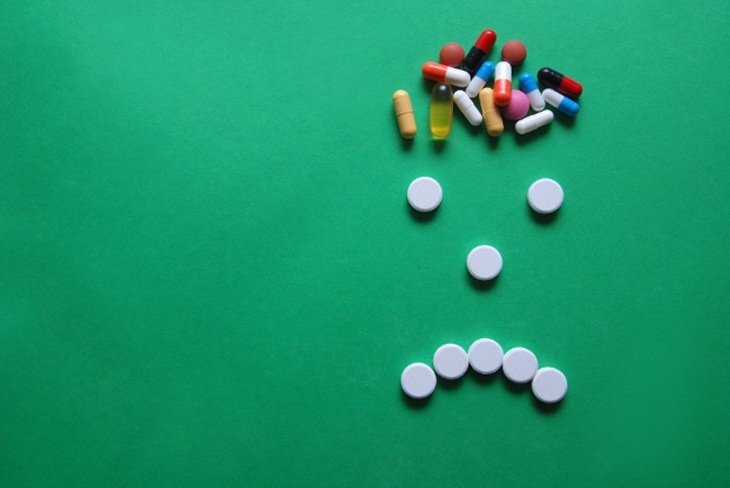
Some people worry that antidepressants will dull their emotions or make them feel like someone else. But the goal of treatment isn’t to alter your personality — it’s to relieve symptoms like hopelessness, fatigue, and loss of interest.
In fact, many people report that they start to feel more like themselves again once their depression lifts.
That said, some people experience what's called emotional blunting, where feelings become less intense. If that happens, it’s important to speak with your doctor — a different medication or adjusted dosage can often help.
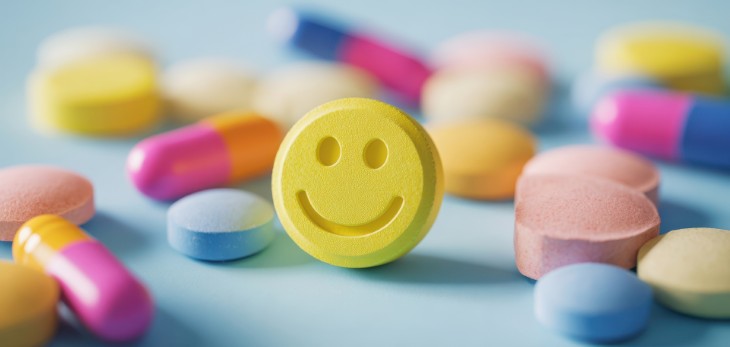
Addiction involves cravings, loss of control, and compulsive use — none of which apply to antidepressants. People don’t get “high” from them, and they don’t seek out increasing doses.
What’s often confused with addiction is dependence, which can happen with any medication taken long-term. Stopping certain antidepressants suddenly may cause discontinuation symptoms, such as dizziness, nausea, or irritability. This is why tapering under a doctor’s supervision is recommended — not because the medication is addictive, but because your body needs time to adjust.
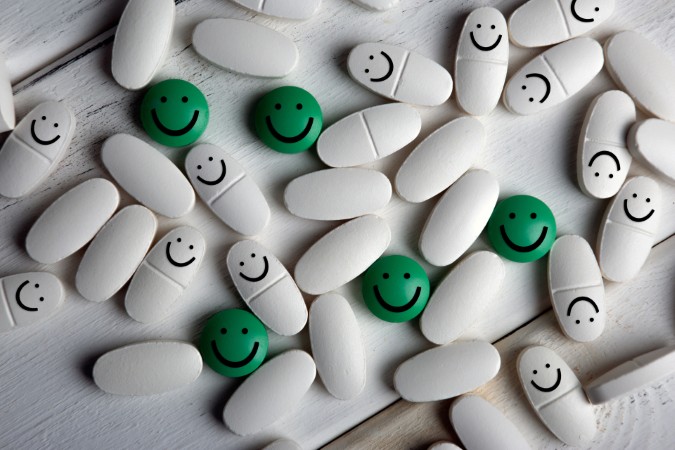
Antidepressants aren’t emergency mood boosters. They usually take several weeks to reach full effectiveness — and even then, they’re not a standalone solution.
The best results typically come from a comprehensive treatment plan that may include:
Talk therapy
Lifestyle changes (e.g., sleep, nutrition, exercise)
Social support
Antidepressants are a powerful tool — not a magic cure.
Side effects are real, but they vary widely from person to person. Your genetics, age, other medications, and overall health can all influence how your body responds.
Common side effects can include nausea, sleep changes, or appetite shifts — but many people don’t experience any significant side effects at all. And if one medication doesn’t work for you, there are plenty of alternatives.
The key is working with your doctor to find the right fit — and giving your body time to adjust.
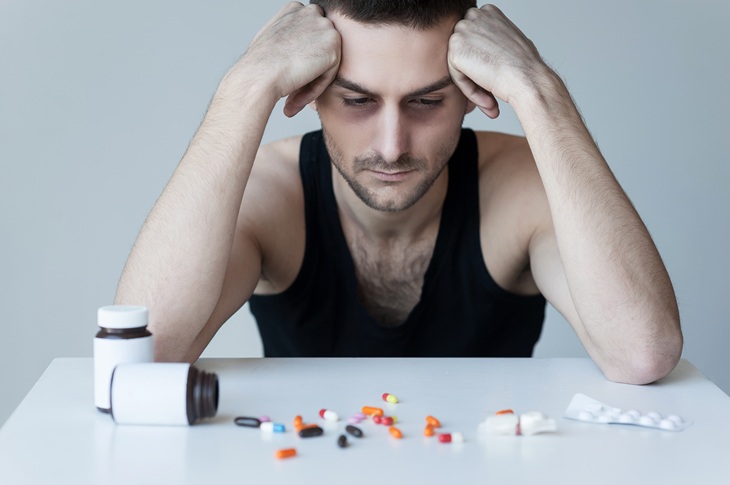
Accurate information is crucial. Misinformation can keep people from starting treatment or cause unnecessary fear. Depression isn’t just “feeling sad” — it’s a serious condition that, like any other health issue, deserves medical attention when needed.
Mental health care isn’t one-size-fits-all. Not everyone who feels low has clinical depression, and not everyone with depression needs the same treatment. But for many, antidepressants are a life-changing piece of the puzzle — when used with the right guidance and realistic expectations.
Antidepressants are often misunderstood — but they aren’t something to fear. When prescribed thoughtfully and used as part of a larger treatment plan, they can help people reclaim their lives from depression.
If you’re struggling, don’t let myths or misinformation get in the way of your mental health. Talk to a healthcare provider. The right support — and the right information — can make all the difference.

18:26
1950s Debunked: Correcting Misconceptions About the Era
The 1950s may not have been as idyllic as we have been made to believe.

Understanding Mental Health Medication for Children
If your family is facing this question - whether for a child, a grandchild, or a young person you love - it helps to understand what psychiatric medication can and cannot do, and what to expect along the way.
17:42
What's it Like Caring for Mentally Ill Criminals?
"The Voices Are Telling me to Kill You." Listen as past nurse Paul Deacon tells us what it's like working at a psychiatric hospital.
These Common Literary Facts Are Completely FALSE
From Jane Austen to Hamlet, some of the most well-known 'facts' about the world's most famous authors and literature are actually wrong...
9:05
Can Microwaves Cause Cancer? - Microwaves Myths Debunked
For some reason microwaves got a bad reputation in recent years. This video will help you know the myths from the facts...
12:13
Don’t Buy Into These 11 Myths on Foot Hygiene and Health
Is there really a “correct” way to cut your toenails to prevent an ingrown nail? Podiatrists Sarah Haller and Brad Schaeffer debunk 11 foot myths.
These are the Foods Leaving Microplastics in Your Brain
Microplastics have officially crossed a new line: Our brains.
Movement and Strength: What Four New Senior Studies Show
Four recent findings tell a clear story: you do not need to overhaul your life to add years to it, there is a sensible ceiling to how much exercise you need, lifting a little weight keeps your brain young as well as your body, and it's never too late
Do Hangovers Really Get Worse With Age?
While research on this phenomenon is somewhat limited, science offers several compelling explanations for why that morning-after misery intensifies as the years go by.
Avoid the Dentist With 12 Golden Rules for Oral Hygiene
Does the idea of the dentist make you nervous just thinking about it? Here are 12 tips to keeping your oral hygiene healthy and reducing your dental visits.
Understanding Polycythemia Vera: A Comprehensive Guide
. This comprehensive guide will walk you through what polycythemia vera is, its causes, symptoms, treatment options, and what the future holds for patients living with this condition.
4:35
A Lack of Sleep Can Cause These Detrimental Effects
We all know sleep is important. But what ACTUALLY happens in the body when we don't sleep?
For Better Gut-Health, Start Having Bananas Everyday
Did you know that bananas can be great for your gut’s health? Let’s find out more.
14:38
Surprising Symptoms of Poor Digestion You Didn't Know
Understanding these signs can help you take the right steps toward better gut health.
3:55
Your Kidneys Are So Vital - This is What You Need to Know
Have you ever wanted to know just what it is that your kidneys actually do? Here is the information you've been waiting for.
8:31
Doctor Explains: How to Sleep with Neck Pain
Stop letting neck pain ruin your rest—watch the video and start sleeping more comfortably tonight.
Health Tip: What's Riskier, Sweet Drinks or Sweet Foods?
Why are sweet drinks more risky and harmful than sweet foods are?
23:45
Yoga Moves That Can Help Relieve Migraines
This easy restorative yoga practice focuses on pranayama breathing and can help reduce the uncomfortable symptoms of headaches and migraines
Dry Hands: Causes, Prevention and Treatment
Your Hands Are Trying to Tell You Something: How to Heal Dry, Cracked Skin for Good
The Great Stink of 1880: About the Hygiene of Older Times
Learn the story of the Great Stink of Paris, which will explain why people weren't as hygienic back then.
4:25
It Turns Out There Are Over 100 Types of Arthritis!
This video explains the science behind the 3 most common types of arthritis and how to deal and prevent these conditions
7:25
What REALLY Happens When We Go Under Anesthesia
Learn how anesthetic drugs work on your brain, why you don't remember anything, and how it differs from natural sleep.
Nutrition Guide: Top 10 Biotin-Rich Foods
Here are the top 10 biotin-rich foods to add to your shopping list.
Can Nuts Rid Us of Our Sweet Cravings?
A new study suggests a simple dietary swap could make a significant difference: replacing high-carb snacks with a handful of mixed nuts.
10:40
Instant Back Pain Relief - How to Decompress the Spine
These spinal decompression exercises will help you relieve the pain, stiffness, and pressure throughout the entire spine almost instantly.
6:53
A Fun Poem About the Discovery of Vitamins A, B and C
The history of vitamins is closely linked with human exploration of the world. This charming rhyme will tell you the story of vitamins A, B, and C!
3:08
The Surprising Reason Why Babies Shouldn't Drink Water
For babies, water can be deadly. Have you ever wondered why that is the case?
2:59
Dr. Explains: How Much Antioxidants Do Our Foods Contain?
Do you think you know which are the best lentils? Or what is the most recommended apple variety in terms of antioxidants? There are quite a few surprises here...
Research Shows: Just 2 Spoons of This to Lose Weight
Cider Apple vinegar is making headlines again following a study that found two tablespoons of it per day may greatly help with weight loss and improving blood sugar. Even more than expensive medications and treatments with many side effects.
The Full List of Herbs That Protect You From Diabetes
Diabetes is dangerous, therefore it's important to be mindful of our food intake and include these 15 diabetic herbs and spices in our diet!
Life After a Heart Attack: A Practical Guide
Recovery is not just about the heart muscle itself. It involves your body, your daily habits, and very much your state of mind. This guide walks through what to expect and what you can do, step by step, to help your heart grow stronger and your life
The Mental Health Crisis Among People with Type 2 Diabetes
new research has uncovered a less visible but equally urgent crisis: mental health disorders are driving a substantial portion of hospital admissions among people with type 2 diabetes
8:32
Homeopathy: Real Medicine or Hoax? An Explanation.
Find out exactly what homeopathy is and how it works with this fascinating video.
The Everyday Foods That May Protect Your Heart
Flavanols are a type of plant compound that belongs to a larger group known as polyphenols. You will find them naturally in a range of fruits, vegetables, beans, tea, and cocoa.
A Smart New Way to Kill Cancer Cells That Resist Treatment
In lab dishes, these molecules killed aggressive, treatment-resistant melanoma and sarcoma cells within just a few hours, while leaving healthy cells largely untouched.
1:27
Straw Breathing: A Quick Way to Lower Your Anxiety!
Therapist Julia Harkleroad demonstrates an anxiety-reducing technique called straw breathing.
5:44
Health Lesson: Why Too Much Water Can Kill You
Why is is that drinking too much water can kill you and how we can prevent such a danger? This video will tell you all about it.
36:00
A Beginner Workout Plan for Plus Sized Bodies
f you're looking for a gentle way to get moving, we'd recommend this full-body workout that's designed specifically for plus-size beginners,
4:52
Tutorial: Relieve a Stiff Neck Naturally in Just 90 Seconds!
Take a look at several great stretches that you can try that will alleviate a stiff neck.
13:19
Suffering From Back Pain In One Side? 5 Potent Exercises
Muscle tightness in one side of the back is fairly common. Learn to relieve muscle knots in the lower back in minutes and prevent future pain here.
9 Microhabits That Make Weight Loss Sustainable
Real, lasting change doesn't require an all-or-nothing mindset. In fact, the most sustainable way to transform your health is through microhabits.
Cognitive Shuffle: A Trick to Prepare Your Brain for Sleep
A detailed look at what the cognitive shuffle is, how it works, and who can benefit from it, based on insights from its creator and a clinical sleep psychologist.
10 Terrific Health Benefits of Chives
The myriad health benefits of Chives have been known since the days of the Roman Empire.
11:30
The Best Meal to Clean Your Arteries
The most effective type of exercise for arterial health and finish with a practical bonus tactic you can apply right away.
Heart Damage in Midlife May Increase Risk of Dementia
A new study reveals that a blood test typically used to detect heart attacks could help identify who might develop dementia decades in the future.
A Vital How-to Guide of Neuropathy Treatment & Prevention
Our full guide to one of the worst and most common nerve problems - neuropathy.
This 10-Second Trick Will Ease Your Neck Pain
So, what exactly is tummy time for adults, and how do you do it? We’ll explain everything to you now.
To enable your Ad-Free Subscription, please fill the fields below
Your subscription was successful, now you can enjoy an ad-free experience!! Note: To make sure you get no ads, please make sure to log in to your account. If you are logged in already, then refresh the page. The subscription can be cancelled at any time.